



Copiers for Lease in Charlotte Market
In the bustling business hub of Charlotte, North Carolina, making informed decisions about office equipment is crucial. Whether you’re a startup in the Charlotte area or an established firm, the choice between leasing or purchasing a copier can significantly impact your operations and finances.
With the myriad of options available, from Xerox to Konica Minolta, and from Kyocera to Ricoh, it’s essential to weigh the pros and cons. 1800 Office Solutions offers insights into the benefits of both options, ensuring businesses make the right choice tailored to their business needs. In this blog post you will learn Copiers for Lease in Charlotte and how to make right decision.
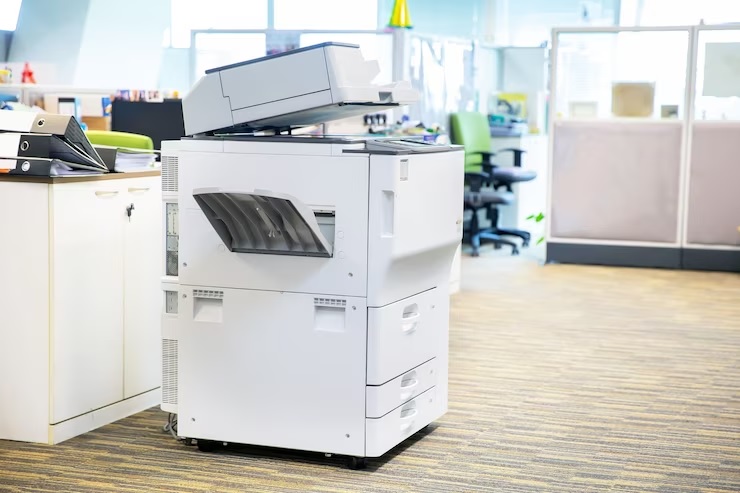

What is Copiers Lease?
A copier lease is a contractual agreement between a business or individual and a leasing company, allowing the lessee (the business or individual) to use a copier machine for a specified period in exchange for regular payments. Instead of purchasing a copier outright, which might require a significant upfront investment, businesses often opt for leasing as a way to spread out the costs over time.
Here are some key points about copier leases:
- Duration: Copier leases typically last between 36 to 60 months, though the term can be shorter or longer depending on the agreement.
- Monthly Payments: The lessee makes monthly payments based on the value of the copier, the length of the lease, and the interest rate set by the leasing company.
- Maintenance and Repairs: Many copier for lease in Charlotte agreements include maintenance and repair services, ensuring the machine remains in good working condition throughout the lease term.
- Upgrade Options: Leasing often provides flexibility to upgrade to newer models, allowing businesses to access the latest technology without purchasing a new machine outright.
- End-of-Lease Options: At the end of the lease term, businesses typically have several options: return the copier, purchase it at a reduced price, or renew the lease for a newer model.
- Tax Benefits: Lease payments can often be deducted as a business expense, providing potential tax benefits.
- Capital vs. Operating Leases: There are two primary types of leases. A capital lease is treated like a purchase in accounting terms, where the asset (copier) is considered owned by the lessee. An operating lease, on the other hand, is treated like a rental agreement, and the asset remains off the lessee’s balance sheet.
In essence, a copier lease provides businesses with the flexibility to use advanced copying equipment without the financial burden of outright ownership, while also offering options for upgrades and maintenance.
Benefits of Purchasing Business Copiers
When considering copier sales in the Charlotte NC region, it’s essential to understand the advantages of outright purchasing:
- No Monthly Payment: One of the most apparent benefits is the absence of monthly lease payments. This means once you’ve made the initial investment, there’s no recurring monthly expense related to the copier.
- No Finance Charges or Interest: Purchasing eliminates the finance charges or interest that often come with copier lease agreements. This can result in significant savings over time.
- Tax Benefits: Businesses in Charlotte North Carolina can often write off the entire purchase cost of a copier and printer in the year it was acquired, offering substantial tax advantages. However, it’s always recommended to consult with a local tax professional.
- Eliminate Cost of Shipping Copier Back At the End of the Lease: Many businesses are unaware of the hidden costs associated with leasing, such as shipping the equipment back at the end of the lease term. Purchasing avoids these unexpected expenses.
- Retain the Value of the Asset: When you buy a copier, it becomes a tangible asset for your company. This means you retain its residual value, which can be beneficial for future trade-ins or sales.
- Flexibility to Make Changes: Owning a copier offers flexibility. If you wish to upgrade or trade-in for a newer model, like a color copier or a laser printer, you’re not bound by lease constraints. This flexibility is especially beneficial given the rapid advancements in printing equipment.
- Extend the Useful Life of Copier After Initial Purchase: Purchased copiers often have a longer lifespan. Businesses can continue using the equipment as long as it meets their requirements, ensuring they get the most out of their investment.
The Financial Implications of Leasing vs. Buying
When evaluating copier service and purchase options in Charlotte, it’s essential to consider the financial implications:
- Cash Flow Considerations: Leasing can be an attractive option for businesses looking to maintain a steady cash flow. Monthly lease payments can be easier to manage, especially for startups or smaller enterprises.
- Average Cost of Commercial Color Copy System: The upfront cost of purchasing a commercial color copier can be substantial.
- Why Most Businesses Opt for Leasing: Approximately 85% of businesses choose to lease their copiers. The primary reason is the preservation of cash flow, coupled with the ability to upgrade to state-of-the-art models regularly.
- Copier Lifespan on Leased Copiers vs. Purchased Copiers: On average, leased copiers have a shorter lifespan than purchased ones. This is because most lease agreements encourage businesses to upgrade at the end of the term, ensuring they always have access to the latest technology.
The decision to lease or purchase a copier in the Charlotte market hinges on several factors, from financial considerations to the desire for technological upgrades. As businesses evaluate their copier needs in the 704 area code and beyond, it’s crucial to consider both immediate and long-term implications. Stay tuned as we delve deeper into the intricacies of the Charlotte copier leasing market in the next segment.
Factors to Consider When Leasing in the Charlotte Market
The bustling city of Charlotte, North Carolina, is not just known for its vibrant business scene but also for its evolving office equipment market. As businesses grow and adapt to the changing landscape, the decision to lease or buy a copier becomes even more critical.


The Charlotte copier leasing market offers a plethora of options, and understanding these can be the difference between a cost-effective decision and an expensive mistake. With brands ranging from HP LaserJet to Toshiba, and from Copystar to Lexmark, the choices are vast. But how does one navigate this complex market?
- Type of Lease: Capital vs. Operating: In the heart of Charlotte NC, businesses often grapple with the decision between a capital lease and an operating lease. A capital lease essentially allows a business to finance the copier as if it were a purchase, eventually leading to ownership at the end of the lease term. On the other hand, an operating lease is more like a rental agreement, with the business returning the equipment at the end of the lease. Smart Technology offers insights into which type might be more suitable based on a company’s financial structure and needs.
- Evaluating the Lease Term: 36 months vs. 60 months: The duration of a copier lease can significantly impact the overall cost. A 36-month lease might offer lower monthly payments, but a 60-month lease can provide more stability and extended use of the equipment. Businesses in the 704 area code should consider their long-term needs and financial flexibility when deciding.
- Understanding Upgrade Options and Penalties: One of the perks of leasing a copier in Charlotte is the ability to upgrade to the latest models. However, this comes with its own set of challenges. Early upgrade options might seem attractive, but they can carry hefty penalties or extended lease terms. It’s essential to read the fine print and understand the implications of early upgrades.
- Weighing the Value of Cost vs. More Frequent Updates to Newer Technology: The allure of the latest printing equipment and state-of-the-art technology can be tempting. However, businesses must weigh this against the cost implications. While having the latest MFP or color copier can boost productivity, it’s crucial to determine if the financial outlay justifies the benefits.
What People Also Ask
What are the main differences between a capital lease and an operating lease?
A capital lease is akin to a finance agreement, allowing businesses to treat the copier as an owned asset, leading to eventual ownership. In contrast, an operating lease is more of a rental agreement, with the equipment returned at the end of the term.
How does the lifespan of a leased copier compare to a purchased one?
A leased copier typically has a lifespan determined by the lease term, often 36 or 60 months. However, a purchased copier’s lifespan is determined by its operational efficiency and can often last much longer if maintained well.
Why do most companies upgrade their copier leases at the end of the term?
Most companies opt for upgrades to access the latest technology and features, ensuring they remain competitive and efficient. Additionally, lease agreements often include provisions that make upgrading a cost-effective option.


Conclusion
Navigating the copier for lease in Charlotte market requires a blend of knowledge, foresight, and understanding of one’s business needs. Whether you’re looking to lease or purchase, the decision will significantly impact your operations and finances. As we’ve explored the intricacies of the Charlotte copier leasing market, it’s evident that there’s no one-size-fits-all answer.
Businesses must evaluate their unique requirements, financial capabilities, and long-term goals. For those still unsure, give us a call to get a copier consultation tailored to your needs. Remember, in the world of business equipment, making an informed choice is always the best strategy.