


Copier Waste Container
In office supplies and equipment, the copier stands out as an important tool. Yet, as with all machines, there are components that often go unnoticed but play a crucial role in their functionality. One such component is the waste toner container. At a glance, it might seem like just another replaceable part, but its significance runs deeper.
Understanding the mechanics of a copier, especially the role of the waste toner container, is essential for several reasons:

Efficiency and Longevity
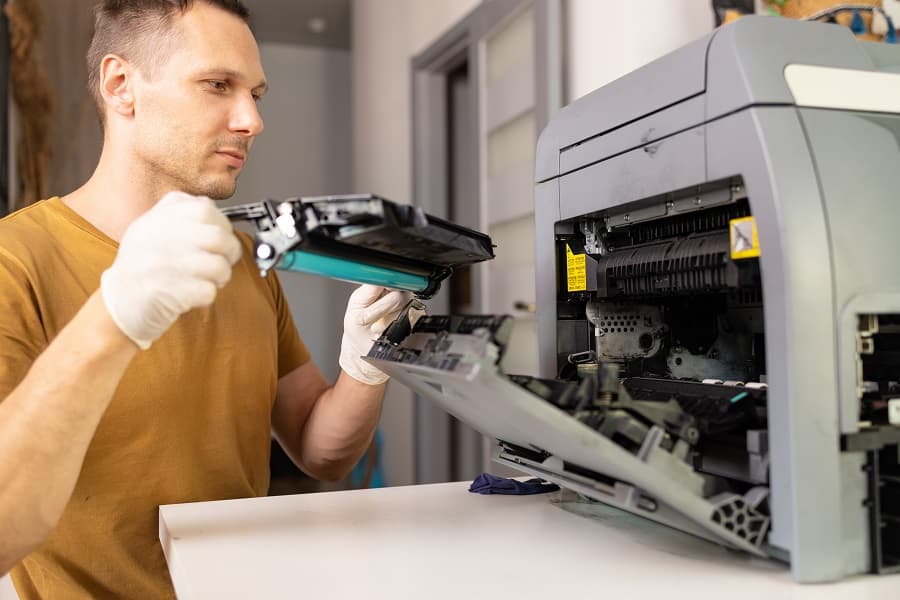
Just as a car needs regular oil changes, a copier requires maintenance. The waste toner container collects excess toner that doesn’t make it onto the paper. Over time, if not managed, this waste can lead to inefficiencies or even damage the machine. By regularly checking and replacing this container, you ensure the copier runs smoothly and lasts longer.
Environmental Responsibility
Toner, the powder used in copiers, is a complex material. When a waste toner container is full, it’s not just about the machine’s efficiency but also about environmental responsibility. Proper disposal or recycling of this waste is crucial. Companies like Xerox often provide guidelines on how to manage and recycle these containers responsibly.
Cost Management
While it might seem economical to wait until the last possible moment to replace a waste toner container, doing so can lead to other issues. A spill inside the machine can lead to costly repairs. Moreover, with the rise of smart copiers, some machines might halt operations if they detect an overfull container. Being proactive in managing this supply can save both time and money in the long run.
Incorporating a routine check of the waste toner container and understanding its role in the larger context of copier maintenance is not just about the machine. It’s about efficiency, environmental responsibility, and cost management. As we delve deeper into the intricacies of copiers in the subsequent sections, remember that every component, no matter how small, plays a part in the bigger picture.
Why do we need waste toner containers?
The copier, a staple in offices worldwide, has seen significant advancements over the years. One such development is the introduction of the waste toner container.
History of copiers and the evolution of waste containers:
The earliest copiers didn’t have separate containers for waste toner. As technology progressed, the need for efficient waste management within the machine became evident. The waste container was introduced to collect excess toner, ensuring smooth printing and preventing internal contamination. The Xerox waste toner container is a prime example of how brands have incorporated this feature into their designs, prioritizing both functionality and environmental responsibility.
The environmental and operational benefits of waste containers:
- Environmental Benefits: In our green world, copier brands like Xerox emphasize recycling and proper disposal. The waste toner container ensures that excess toner is stored safely, preventing environmental contamination.
- Operational Benefits: An efficient waste management system within the copier ensures longevity and consistent print quality. Overflows or spills can lead to costly repairs and downtime.
Can you empty and reuse a toner waste container?
The concept of reusing and recycling is not new, especially in our eco-conscious society. But when it comes to the toner waste container, is it feasible?
The design and structure of waste containers
Modern waste containers, especially those from reputable brands like Xerox, are designed for single use. Their structure often includes seals that break upon removal, ensuring the container’s integrity during its lifecycle.
Pros and cons of reusing waste containers
Pros:
- Cost-saving: Reusing can be economical as opposed to purchasing a new waste toner container.
- Environmental benefits: Reduces the carbon footprint associated with manufacturing new containers.
Cons:
- Potential for contamination: Reused containers may not be as clean, leading to compromised print quality.
- Risk of damage: Improperly sealed containers can lead to toner spills inside the copier.
Recommendations and best practices
While the idea of reusing might be tempting, it’s essential to weigh the pros and cons. Brands like Xerox often provide guidelines on their website about the proper care and replacement of these containers. For the best results and to ensure the longevity of your copier, it’s recommended to use genuine Xerox or other brand-specific containers.
What do I do if my toner waste container is full?
A full toner waste container can halt your printing tasks and, if not addressed promptly, can lead to other issues.
Signs that indicate a full waste container:
- Error messages on the copier display.
- Reduced print quality or inconsistencies in prints.
- Visible overflow or spillage inside the copier.
Steps to address a full container:
- Turn off the copier and unplug it for safety.
- Open the copier compartment and carefully remove the full container.
- Replace it with a new waste toner container. Ensure it’s compatible with your copier model, like the Altalink c8030 for specific Xerox models.
- Dispose of the full container as per the brand’s guidelines or local regulations.
Maintenance tips to prolong the life of containers:
- Regularly check the container level, especially if you do heavy printing.
- Ensure the copier is placed in a clean environment to reduce the chances of external contamination.
- Follow the instruction manual for your specific copier model for best practices.
Is toner toxic to humans/engineers?
The safety of the materials we interact with daily, especially in an office setting, is paramount. Toner, the fine powder used in copiers, is no exception.
Composition of toner:
Toner is primarily made up of plastic particles, pigments, and small amounts of other compounds. While the primary ingredients are non-toxic, prolonged exposure or ingestion in large quantities can be harmful.
Potential health risks:
- Inhalation: Breathing in toner dust might irritate the respiratory system. While occasional exposure might cause minor irritation, chronic exposure could lead to more severe respiratory issues.
- Ingestion: Accidentally consuming toner is not immediately toxic, but it’s best to consult a medical professional if it happens.
- Skin Contact: Toner can cause skin irritation in some individuals, especially those with sensitive skin.
Safety guidelines for handling toner and waste containers:
- Always handle toner cartridges and waste containers with care to avoid spillage.
- If toner spills, avoid using a regular vacuum to clean it up as it can become airborne. Instead, use a specialized toner vacuum or damp cloth.
- Store toner and toner waste containers in a cool, dry place away from direct sunlight.
- Always wash your hands after handling toner or performing maintenance on your copier.
- For detailed safety information, always refer to the specification sheet or Material Safety Data Sheet (MSDS) provided by the respective owners of the toner brand.
How often does a waste toner box need to be replaced?
The frequency of replacement for a waste toner container can vary based on several factors.
Factors that influence the lifespan of a waste toner box:
- Volume of Printing: Offices that do heavy printing will need to replace their containers more frequently.
- Type of Documents: Color documents, especially those with high color coverage, might fill up the container faster than black and white prints.
- Copier Model: Different models have containers of varying sizes. For instance, a high-capacity copier designed for heavy use might have a larger container than a basic model.
Average replacement timelines based on different copier models:
- Basic Office Copiers: Every 6-8 months
- High-Capacity Copiers: Every 3-5 months
- Industrial Copiers: Varies based on usage, but typically every 1-2 months.
- Always monitor the container levels, especially if you notice any decline in print quality or receive error messages.
How to reset the waste toner message after replacing the cartridge?
Replacing the waste toner container is only half the task. Ensuring that the copier recognizes this change and resets any associated error messages is equally crucial.
Technical guide on resetting copier systems
- Most modern copiers are designed to auto-detect a new waste toner container and reset any associated error messages. However, there might be instances where a manual reset is required.
- To manually reset, navigate to the copier’s main menu. Look for ‘Maintenance’ or ‘Settings’.
- Within this menu, find the ‘Waste Toner’ or ‘Consumables’ section. There should be an option to reset or acknowledge the new waste toner container.
- Selecting this should clear any error messages. If the message persists, it might be worth checking if the container is correctly seated or consulting the copier’s manual for model-specific instructions.
Importance of regular system updates and checks
- Just like any tech device, copiers benefit from regular software updates. These updates can enhance the machine’s functionality, introduce new features, and rectify known issues.
- Regularly checking for updates and ensuring that the copier’s software is up-to-date can prevent many common issues, including those related to waste toner containers.
- Brands like Xerox often provide easy-to-follow guides on their websites for updating copier software. It’s advisable to periodically check for updates and apply them as needed.
Best Practices for Managing Copier Waste Containers
Managing a copier goes beyond just ensuring it has enough toner or paper. One of the often overlooked yet crucial components is the waste toner container. Proper management can significantly impact the machine’s efficiency and longevity.
Routine checks and maintenance
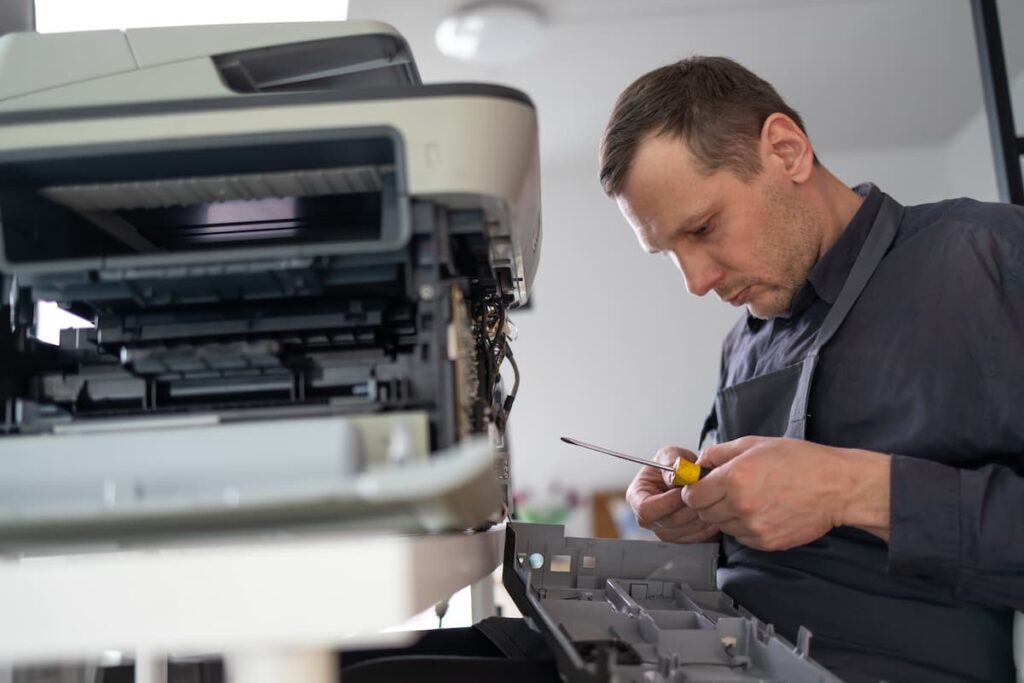
- Frequency: Depending on the volume of printing, it’s advisable to check the waste container at least once a month. For high-volume environments, bi-weekly checks might be more appropriate.
- Replacement: Always have a new waste toner container on standby. This ensures minimal downtime when the current one fills up. When replacing, always opt for genuine Xerox or other brand-specific containers to ensure compatibility and optimal performance.
- Error Messages: Modern copiers, especially those from brands like Xerox, often display error messages or alerts related to the waste toner container. Familiarize yourself with these messages, such as “008r13061”, to address issues promptly.
Environmental considerations and recycling
- Disposal: Once a waste toner container is full, it’s essential to dispose of it responsibly. Many brands, including Xerox, provide recycling programs or guidelines on their website for proper disposal.
- Eco-friendly Practices: In our quest for a green world, copier users can play a part. Opt for copiers with efficient waste management systems, and always recycle containers when possible.
- Shipping: If you’re returning the waste container for recycling, ensure it’s packaged securely to prevent any spillage during transit.


Conclusion
As we navigate the ever-evolving landscape of office technology, it’s evident that even the seemingly minor components, like the waste toner container, play a pivotal role in the bigger picture.
The future of copier waste management:
- Smart Containers: With advancements in IoT and smart technology, we might soon see waste toner containers that can self-diagnose their status and even order replacements automatically.
- Eco-friendly Materials: As the world leans towards sustainable practices, future waste containers might be made of biodegradable or more environmentally friendly materials.
Innovations and advancements in waste container technology:
- Sensor Enhancements: Future copiers might have more advanced sensors that provide detailed analytics on waste toner levels, helping users preemptively address issues.
- Integration with Cloud: With cloud technology becoming ubiquitous, copier waste management might integrate with cloud platforms, allowing users to monitor and manage their machines remotely.
- Brand Initiatives: Leading brands like Xerox are continually innovating. With models like the Altalink c8030, we can expect more efficient waste management systems, streamlined recycling processes, and user-friendly interfaces.
In conclusion, while the humble waste toner container might seem like a small cog in the vast machinery of office equipment, its importance cannot be understated. As technology advances, so does the potential for more efficient, eco-friendly, and user-centric waste management solutions. It’s up to us, the end-users, to stay informed, adopt best practices, and drive the demand for sustainable solutions in our quest for a greener and more efficient future.