


Does your organization face rising latency and risks of a data breach while updating its it infrastructure in a hybrid environment? This guide explains how Secure Access Service Edge (SASE) addresses these challenges with a robust framework and proven techniques. The content reviews SASE architecture, key components, and best practices to offer the customer clear strategies for effective management. Business owners benefit by reducing threats and system delays, ensuring smoother, more secure operations.
Key Takeaways
- sase combines robust security protocols with efficient network management
- the model enforces identity verification and protects sensitive data
- centralized control simplifies managing it services and supports secure connectivity
- effective sase deployment requires clear vendor coordination and scalable solutions
- centralized monitoring detects network anomalies and facilitates prompt threat responses
Understanding Secure Access Service Edge (SASE)


Understanding SASE begins with clarifying its definition and recognizing its role in securing modern networks. Coverage includes key features such as improved operational efficiency, multicloud integration, and a reliable point of presence beneficial to the end user. The overview also touches on how application software supports business performance and connectivity.
Defining SASE and Its Importance
Secure Access Service Edge (SASE) defines a network model that combines advanced security protocols with precise identity management to protect both cloud environments and traditional data center setups. This approach supports interoperability across platforms, including cloud solutions like microsoft azure, and delivers consistent performance for modern networks:
Organizations adopt SASE to achieve improved network consistency and simplify operational challenges related to identity management and infrastructure integration. This model increases interoperability by uniting secure data center practices with cloud capabilities, such as those seen in microsoft azure, while ensuring reliable overall security.
Key Features of SASE
SASE integrates security features that optimize network management and data protection. Its design supports scalability with a user-friendly interface that provides secure access via a dedicated url, thereby facilitating digital transformation across modern infrastructures.
Industry professionals consider adopting SASE a strategic investment that streamlines operational processes and reinforces network security. This approach directly addresses critical challenges by enabling administrators to manage systems remotely through an effective interface, further accelerating digital transformation efforts.
SASE Architecture

SASE Architecture explains a core framework that integrates robust networking with advanced security features. It details how intelligence supports virtual private network functions to improve internet access and meet regulation standards. Organized like an ebook, the section outlines critical components that provide clear, practical insights for business owners.
The Core Framework of SASE
The core framework of SASE promotes a unified approach by integrating advanced networking capabilities and stringent data security measures. This model relies on managed services to streamline IT operations and delivers consistent reliability across the network perimeter by addressing each user’s access requirements:
Industry leaders such as techtarget recommend this structure for effective control over network operations. Organizations benefit from improved oversight with simplified policies that combine robust data security and accurate user management, ensuring smooth managed services and secure perimeter protection.
Integration of Networking and Security in SASE
Integration of networking and security in SASE merges streamlined traffic management with rigorous threat mitigation. This approach incorporates wan optimization techniques, robust internet security measures, and a cohesive software as a service structure backed by clear policy standards to deliver a reliable experience:
- Efficient wan optimization that improves network performance
- Robust internet security protocols protecting organizational data
- Seamless software as a service integration for scalable operations
- Defined policy guidelines ensuring secure access control
- A consistent experience across network platforms
Industry experts observe that this integration simplifies system management and strengthens overall network protection. Business owners benefit from a framework where precise policy enforcement and proven technologies work together to sustain high-performance connectivity and secure operational environments.
Critical Components Within SASE
This segment of the SASE framework emphasizes key components such as effective bandwidth management and the seamless integration of a cloud access security broker that supports consistent performance. The design addresses the evolution of network demands while mitigating risks like phishing, creating a concept that unifies secure user access with robust data flow management.
Industry insight shows that integrating these elements enables administrators to maintain controlled environments in dynamic conditions. The structured approach, which includes precise bandwidth allocation and cloud access security broker functions, reduces the occurrence of phishing attacks and supports a stable, forward-looking evolution of security protocols.
Key Components of Secure Access Service Edge
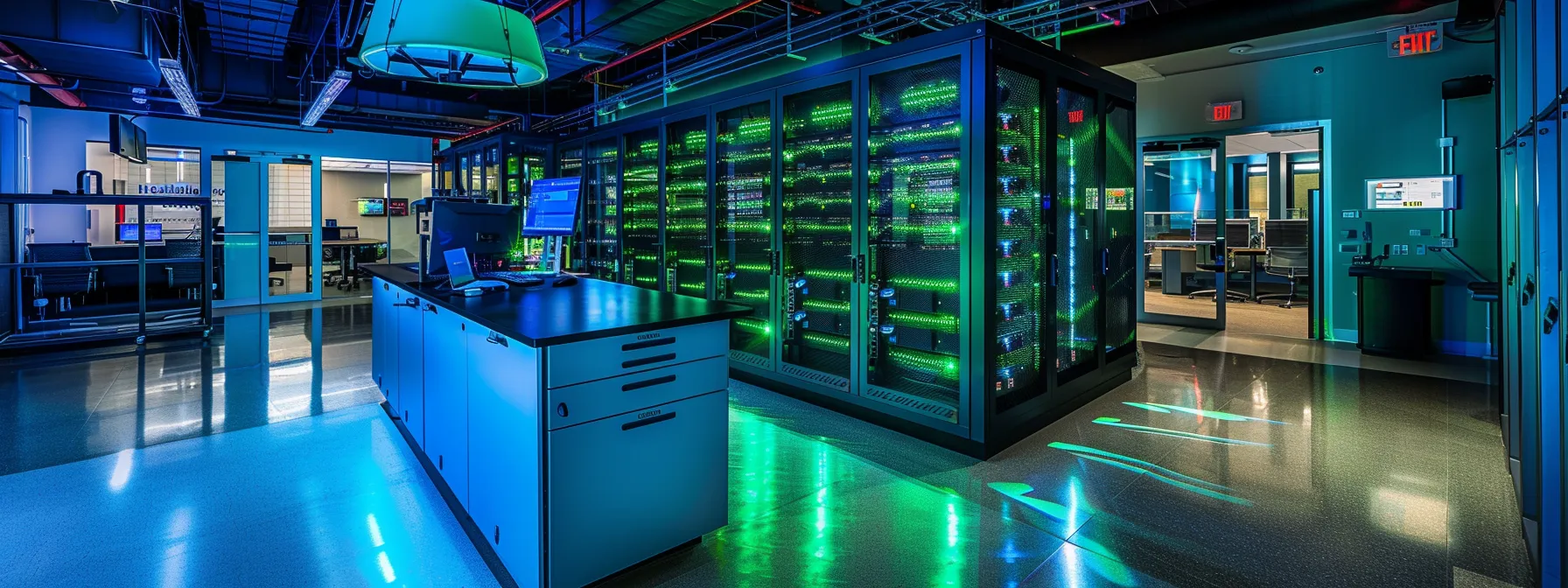
Reviewing components such as the secure web gateway, firewall as a service, cloud access security broker, zero trust network access, and SD-WAN, each element plays a distinct role in a security service edge ecosystem. The white paper outlines their functions—from wide area network automation to risk management—offering practical insights for the business community.
Secure Web Gateway (SWG) Overview
The Secure Web Gateway (SWG) provides reliable filtering for web traffic and integrates seamlessly with endpoint detection and response systems to improve network visibility. Its design supports a robust sase solution by incorporating Cisco tools for efficient troubleshooting:
Business owners observe that SWG enhances overall security posture while simplifying troubleshooting tasks across network environments. By using Cisco solutions alongside endpoint detection and response tools, organizations fortify their sase solution and maintain comprehensive visibility into web activities.
Firewall as a Service (FWaaS) Explained
Firewall as a Service offers a robust security layer that integrates seamlessly into the service edge architecture, using advanced machine learning algorithms to detect and respond to threats in real-time. This approach provides timely information on network traffic behavior, enabling organizations to fine-tune defenses while maintaining streamlined operations.
As a core component of secure network management, FWaaS reinforces endpoint security by aligning with contemporary cloud-based measures that businesses rely on. The service functions as a dependable security tool that consolidates data for actionable insights, meeting the growing demands of modern enterprise environments.
Cloud Access Security Broker (CASB) Functions
The Cloud Access Security Broker functions as a core element within the definition of sase, providing organizations with robust controls over cloud access and data management. Its capabilities support increased productivity by ensuring that secure policies are enforced consistently across cloud applications.
Industry experts on podcast platforms discuss how CASB functions underpin a subscription business model that delivers ongoing security updates and risk assessments. This approach meets the needs of organizations seeking reliable tools to manage access and safeguard their cloud environments effectively.
Zero Trust Network Access (ZTNA) Insights
Zero Trust Network Access enforces strict verification protocols to secure each connection, ensuring that every user gains access only after meeting robust authentication criteria. This method effectively reduces vulnerability risks by incorporating sandbox environments and monitoring internet traffic, particularly in cloud systems operating under 5g conditions.
Organizations applying ZTNA observe improved control over data access and network interactions by routinely testing their security measures in controlled sandbox settings. Experts note that integrating these practices with cloud infrastructure enables businesses to address potential vulnerability issues and maintain a stable environment for internet traffic management in 5g deployments.
Software-Defined Wide Area Network (SD-WAN) Role
Software-Defined Wide Area Network (SD-WAN) plays a central role in secure access service edge by using encryption protocols to secure data and maintain high-speed broadband connectivity across distributed locations. It supports seamless mobile device integration, ensuring that users experience consistent performance while addressing access control challenges during onboarding processes.
The SD-WAN solution simplifies network management by streamlining access control measures that secure every connection across varied endpoints. Its efficient structure facilitates smooth onboarding for new users and devices, which helps organizations maintain strong security while optimizing broadband and mobile device operations.
Practical Applications of SASE

SASE strengthens hybrid work models by deploying advanced cloud computing and edge computing methods. The approach secures remote access and connectivity, supports digital transformation initiatives, and leverages innovation, artificial intelligence, and elasticity. This section details strategies for each practical application.
Enhancing Security for Hybrid Work Models
Hybrid work models require effective security to protect sensitive data while maintaining stable connectivity for remote teams. SASE frameworks incorporate advanced software that optimizes cost management and resource allocation while ensuring secure internet access, with many implementations drawing on methods seen in cato networks.
Organizations apply these strategies to secure endpoints and support remote productivity by verifying each connection and managing safe internet communications, a practice reflected in the standards promoted by cato networks. Implementations combining precise software usage with reduced cost and efficient resource management offer business leaders dependable protection in hybrid work environments.
Protecting Remote Access and Connectivity
In today’s dynamic technology landscape, ensuring secure remote access and steady connectivity is paramount for organizational success. A robust SASE platform incorporated within a network as a service model delivers secure data channels and reliable user verification. Leading SASE vendors demonstrate effective leadership by addressing distributed work challenges:
Business owners rely on experienced SASE vendors to simplify and secure remote access, ensuring uninterrupted connectivity. By harnessing a mature network as a service strategy, organizations benefit from a secure SASE platform that offers real-time monitoring and adaptive controls in a rapidly changing operational landscape.
Supporting Digital Transformation Initiatives
Organizations pursuing digital transformation initiatives rely on modern SASE platforms to update their security policy while reducing risk. This approach enforces the principle of least privilege to limit access effectively and minimizes vulnerabilities that could lead to a cyberattack.
Industry analyses from gartner underline that integrating SASE solutions into digital strategies strengthens network defenses and streamlines secure operations. The model ensures that rigorous security policy measures and precise access controls consistently lower risk and protect against emerging cyberattack challenges.
Benefits of Implementing SASE

Implementing SASE offers improved visibility across networks while simplifying security operations. It reduces the attack surface, streamlines cost efficiency and resource management, and enhances user experience through robust performance. The workforce benefits from a secure system infrastructure that mitigates malware threats, paving the way for detailed insights into each topic.
Improved Visibility Across Networks
SASE technologies provide improved visibility across networks by clearly outlining the existing network architecture and identifying a single point of failure before it develops into a major issue. Detailed oversight helps maintain domain name integrity and supports robust data sovereignty measures, allowing organizations to pinpoint performance gaps and secure their operational environment with confidence.
By centralizing network monitoring, SASE platforms create a secure service edge that increases real-time tracking of activity and facilitates rapid response to operational challenges. Experts observe that improved visibility enables administrators to quickly address anomalies, thereby ensuring stable connectivity and reliable system management for business operations.
Simplifying Security Operations
Simplified security operations integrate a centralized network access control system that manages a complete security stack, ensuring each server and internet of things device is monitored effectively for stability. This configuration supports proactive measures and meets industry standards within the magic quadrant by offering streamlined procedures:
- Centralized network access control
- Effective server monitoring
- Comprehensive stack management
- Integration with internet of things devices
- Alignment with magic quadrant benchmarks
Simplifying security operations reduces manual troubleshooting and boosts efficiency for business owners seeking reliable network access control. Stakeholders benefit from actionable insights and secure stack solutions that ease server management and support connectivity for internet of things devices in line with magic quadrant standards.
Cost Efficiency and Resource Management
Organizations benefit from a secure access service edge platform that streamlines network functions to lower expenses and improve resource allocation. The use of multiprotocol label switching optimizes routing across amazon web services, resulting in efficient operations that reinforce sustainability while reducing overall costs.
This integrated approach enables system administrators to manage network resources more effectively, cutting down on redundant infrastructure investments. By consolidating essential functions into a secure access service edge solution, businesses achieve improved cost efficiency through precise routing strategies and sustainable practices.
Enhanced User Experience and Performance
A robust sase network improves user experience by delivering swift data transfer and clear connectivity to support essential business operations. The adoption of advanced analytics tools identifies performance gaps while maintaining regulatory compliance and managing backhaul efficiency.
Industry specialists note that incorporating a comprehensive sase network solution drives smoother operational performance and reduces system downtime. Regular analytics review enables organizations to refine backhaul strategies and uphold regulatory compliance, ensuring secure, efficient user interactions.
Challenges in Adopting SASE

Vendor management complexity, integration with existing systems, and skills gaps in team collaboration present notable challenges. The discussion covers how a strong business model, efficient cloud service support, and insights from Gartner SASE foster customer success while mitigating data loss. Each topic outlined will provide essential practical insights.
Vendor Management Complexity
Vendor management complexity poses a significant challenge for enterprises adopting the SASE framework, as coordinating multiple vendors often disrupts consistent security practices. The difficulty arises when integrating offerings like digital guardian tools with core technology systems, complicating data management and influencing the total economic impact:
Industry professionals recommend establishing clear service level agreements and conducting regular performance reviews to address these issues effectively. Strategic vendor consolidation and a focus on maintaining data integrity help reduce complexities, ensuring that technology remains an integral part of a sustainable and secure network environment.
Integration With Existing Systems
Businesses face significant hurdles when integrating modern SASE security with existing IT systems, as many legacy architectures lack the flexibility to support advanced features like multitenancy and web conferencing. Recent research indicates that synchronization between established systems and new SASE platforms requires careful recalibration of architecture and security settings to maintain operational consistency.
Enterprise teams encounter challenges when aligning dated infrastructure with updated approaches that demand cohesive architecture supporting seamless web conferencing alongside multitenancy. Research highlights that reconfiguring system components to suit SASE security can streamline integration efforts and minimize disruptions for organizations undergoing technical transformation.
Skills Gaps and Team Collaboration
The existence of skills gaps among technical teams can hinder a business from fully embracing SASE. Inadequate team collaboration often results in challenges when managing critical security functions such as browser isolation, ultimately affecting efficiency in remote work environments.
Organizations see the need for focused training programs and improved communication to overcome these limitations. By strengthening management techniques and boosting remote work capabilities, businesses improve their overall efficiency and readiness to adopt SASE solutions effectively.
Misunderstandings About SASE

This section addresses common misunderstandings about sase, covering the notion that it is simply a VPN, its suitability only for large enterprises, and concerns regarding security. Education on authentication methods, gateway operations, and proxy server roles reveals the practical benefits that support secure solutions for businesses.
Misconception That SASE Is Just a VPN
There is a widespread misunderstanding that limits SASE to a basic VPN without recognizing its broader function in uniting secure access controls and network management for every computer in an organization. Industry learning reinforces that sase in cyber security implements multiple layers of protection designed to counter a growing threat landscape.
Experts argue that reducing SASE to mere VPN capabilities oversimplifies a framework that integrates comprehensive security measures with streamlined network operations. Organizations committed to corporate social responsibility can adopt these advanced strategies to secure their computer systems and mitigate emerging threat risks effectively.
SASE Applicability to Only Large Enterprises
Industry research challenges the view that SASE applies exclusively to large organizations, as a well-considered sase implementation addresses ransomware threats and refines domain name system oversight for businesses of every size. Practical examples using forti sase show that tailored security measures can effectively reduce network complexity and support diverse operational needs:
- Robust protection against ransomware attacks
- Optimized management of domain name system operations
- Customizable sase implementation strategies for various scales
- Deployment of forti sase to minimize network complexity
Seasoned professionals confirm that adaptable SASE solutions offer scalable security measures and improved network performance, benefiting organizations regardless of their size. Their practical insights reveal that these strategies simplify management efforts while mitigating potential vulnerabilities effectively.
Beliefs About SASE Compromising Security
Some business owners worry that implementing SASE might weaken overall network defenses, suspecting a reduction in traditional firewall protection and standard authorization practices. Experts explain that SASE integrates secure remote access with advanced cloud security services while supporting bring your own device policies:
Technical experts report that SASE reinforces network security by offering continuous monitoring and automated threat management, ensuring that each bring your own device complies with rigorous authorization standards. This practical approach serves to secure networks while preserving efficient firewall operations alongside reliable cloud security services.
Best Practices for SASE Deployment

Aligning teams and stakeholders, establishing a clear implementation roadmap, and maintaining continuous monitoring underpin effective SASE deployment. This strategy supports a zero trust security model, improves network security inspection, and refines client user experience. The following sections provide practical guidance on these elements for sustained operational performance.
Aligning Teams and Stakeholders
A successful rollout of SASE relies on strong cooperation among diverse teams and stakeholders. Clear definition of responsibilities and transparent discussion on sase cybersecurity measures and sase architecture fundamentals promote efficient deployment and stable operational integration.
Regular meetings and focused review sessions help maintain alignment on project milestones and risk management. This strategic team coordination aggregates expertise and actionable insights that resolve integration challenges and support secure network operations.
Establishing a Clear Implementation Roadmap
A clear implementation roadmap forms the foundation for effective SASE deployment by outlining each step in integrating secure access service edge within existing networks. This structured plan delineates key phases, defines measurable milestones, and sets practical timelines to support teams in managing the transition smoothly.
An actionable roadmap provides precise task assignments and scheduled reviews that align with deployment objectives, ensuring all parties are synchronized. Drawing on extensive industry experience, this approach aids organizations in achieving robust cybersecurity and streamlined managed IT services while maintaining operational continuity.
Continuous Monitoring and Optimization
Continuous monitoring remains critical for a successful SASE deployment by offering real-time insights into network performance and threat activity. This approach enables IT teams to detect anomalies early and adjust security configurations promptly to maintain robust defenses.
Optimization builds on these insights to streamline network operations and support efficient resource allocation. Regular assessments and data analysis allow system administrators to refine policies and ensure consistent, reliable connectivity throughout the SASE environment.
Evaluating Secure Access Service Edge Providers

Evaluating SASE providers focuses on vendor selection through proven criteria, smooth integration of networking and security services, and offering scalable, flexible solutions. This section provides practical insights for comparing vendor performance, assessing combined network features, and choosing systems that support dynamic operational needs.
Criteria for Selecting a SASE Vendor
Business owners should evaluate SASE vendors based on technical expertise, demonstrated success in secure network deployment, and a strong record in managed cybersecurity services. Criteria such as real-world performance, customer support responsiveness, and integration capabilities provide clear insights into the vendor’s ability to maintain a stable and secure network environment.
Decision makers are encouraged to consider vendor transparency and the flexibility of their solutions during the selection process. A vendor that offers comprehensive security controls and consistently reliable service helps organizations address immediate network demands while planning for future cybersecurity advancements.
Assessing Integration of Networking and Security Services
Evaluating SASE providers involves a close look at the integration of networking and security services. Vendors that merge strict data protection with seamless connectivity deliver a cohesive solution designed to support modern cybersecurity requirements and managed IT services.
Business stakeholders value providers that offer clear demonstrations of their integrated systems during assessments. This approach enables organizations to reduce security risks while achieving streamlined operations and reliable connectivity in dynamic network environments.
Importance of Scalability and Flexibility
SASE providers that deliver scalable solutions allow organizations to adjust system capacity as demand grows and workloads shift. Such flexibility ensures that managed IT services maintain consistent performance and robust cybersecurity, even as businesses expand and evolve.
A provider with scalable and adaptable features enables smooth transitions during infrastructure upgrades while reducing the need for frequent system changes. Business owners benefit from solutions that balance sustained security with practical resource management to meet dynamic operational needs.
Future Trends in SASE

Emerging trends in SASE include artificial intelligence and machine learning, transformations affecting remote work and the evolving security landscape, and predictions for future SASE solutions. The following sections explain how these elements drive improved network protection, streamlined IT processes, and scalable security practices in modern infrastructures.
The Role of Artificial Intelligence and Machine Learning
Artificial intelligence and machine learning play a significant role in reinforcing SASE frameworks by enabling real-time threat detection and automated response protocols. Experts in managed IT services observe that these technologies support steady network performance and secure data transfer across varied operational settings.
Machine learning algorithms analyze network traffic to pinpoint unexpected activity and suggest immediate corrective actions within SASE infrastructures. Industry professionals report that routine data analysis and regular system reviews empower IT teams to address emerging risks swiftly, resulting in a more stable security posture.
SASE’s Impact on Remote Work and Security Landscape
SASE strengthens remote work by providing a secure framework that safeguards distributed networks and streamlines IT services. Business owners benefit from reliable connectivity and improved cybersecurity measures that address concerns over access control and data protection.
SASE reshapes the network protection landscape by offering proactive threat detection and flexible access management that supports remote operations and simplifies risk management:
- Unified access management for distributed teams
- Real-time threat detection and monitoring
- Automated policy enforcement for secure data handling
- Scalable connectivity to meet evolving operational needs
Predictions for the Evolution of SASE Solutions
Experts predict that future SASE solutions will integrate advanced threat detection with real-time network analytics and automated policy management, resulting in a security framework that actively responds to evolving cyber challenges. Vendors are refining cloud connectivity and unified authentication systems to deliver more agile and manageable environments for modern enterprises.
Industry specialists expect these evolving SASE models to focus on adaptive security measures that simplify integration and reduce operational burdens. Early implementations show that incorporating secure remote access and robust data handling capabilities not only strengthens network defenses but also streamlines resource optimization for businesses.
Frequently Asked Questions About SASE

This section answers common SASE questions by explaining its full meaning, comparing modern security methods with traditional models, evaluating if it offers complete protection, and identifying industries that benefit most. Clear insights help business owners grasp how secure access service edge supports robust network management and practical IT solutions.
What Does SASE Stand For?
SASE stands for Secure Access Service Edge, a network framework that combines essential security protocols with modern connectivity practices. This configuration unites core functions including data protection, identity verification, and network control to support streamlined IT operations.
Industry experts recognize SASE as a strategic approach that delivers practical benefits in the management of cybersecurity and managed IT services. Through this model, organizations achieve a unified structure that simplifies network oversight and reinforces operational stability.
How Does SASE Compare to Traditional Security Models?
SASE delivers a unified network security solution that combines identity management, data protection, and controlled access in one system, whereas traditional security models depend on separate frameworks for firewalls, VPNs, and web gateways. This integrated approach simplifies IT operations and reduces management complexity, allowing organizations to secure their networks with fewer manual interventions.
SASE improves network performance through real-time threat detection and automated response features, contrasting sharply with the slower, manual adjustments found in conventional methods. This modern framework eases the burden on IT teams, providing business owners with a practical solution that strengthens overall cybersecurity and streamlines operational processes.
Is SASE a Complete Security Solution?
SASE offers a unified framework that merges core security protocols, identity management, and network oversight into one system designed to address a wide range of security concerns. Industry experts recognize that while the model covers many essential security elements, additional measures may be necessary to address specific operational needs.
Technical observations show that SASE improves managed IT services by automating threat response and streamlining network control. Real-world implementations reveal that organizations often integrate targeted security tools alongside SASE to create a tailored defense strategy that meets their unique requirements.
What Industries Can Benefit From SASE?
Various industries benefit from SASE by shifting to integrated network security and managed IT services that support secure remote connectivity and efficient data management. Sectors such as finance, healthcare, education, and manufacturing gain stronger user access controls and real-time threat detection through unified SASE solutions:
- Financial services companies
- Healthcare organizations
- Educational institutions
- Manufacturing enterprises
- Public sector and retail businesses
Industry specialists note that these sectors improve their network oversight and operational efficiency by reducing vulnerabilities and automating cybersecurity protocols. SASE solutions empower organizations to maintain consistent performance across distributed environments and address evolving digital challenges effectively.
Frequently Asked Questions
What is SASE and how does it work?
Secure Access Service Edge (SASE) is a cloud-based framework that integrates networking and security. The model consolidates firewalls, web gateways, and remote access controls into a single service aimed at protecting data and applications in a managed IT and cybersecurity environment.
A SASE system directs network traffic through multiple security points. It improves policy enforcement and reduces latency by processing data near users. This integration supports managed IT services while keeping office operations, including equipment use, secure and efficient.
How does SASE architecture protect corporate networks?
Drawing on 40 years of office equipment expertise, 1800 Office Solutions recognizes that secure access service edge (SASE) architecture safeguards corporate networks by merging network connectivity with advanced security functions. This integrated approach validates user identities, encrypts data, and regulates access across systems.
By monitoring traffic continuously and applying strict controls, SASE reduces the chances of unauthorized access. This method supports managed IT services while keeping business processes secure and reliable for companies linked by modern office infrastructure.
Which key components comprise a SASE framework?
A Secure Access Service Edge framework merges network connectivity and security functions into a single cloud service. It integrates software-defined wide area networks, cloud-based firewalls, secure web gateways, and zero trust access to support rigorous business requirements and extend managed IT services.
Drawing on four decades of IT expertise like 1800 Office Solutions provides, the framework enforces consistent security policies for users and endpoints. It creates a cohesive system that supports remote operations and reliable support for office devices such as printers, scanners, and copiers.
What benefits do businesses experience with SASE?
SASE unifies network access and security management, granting business owners centralized oversight of connectivity and data protection. This model simplifies policies across distributed environments and minimizes the need for multiple security solutions while maintaining robust safeguards.
The framework cuts operational cost through consolidated services and streamlines IT maintenance. Companies benefit from clear control measures that support secure remote work and safeguard sensitive data, promoting efficiency in managed IT and cybersecurity operations.
What challenges occur during SASE implementation?
Integrating security and network functions into a single framework presents technical challenges for SASE. Legacy systems may conflict with cloud-based services. Aligning security protocols with network operations demands precise coordination and alterations to existing IT frameworks.
Managing policies and training staff pose further obstacles during implementation. Businesses relying on Managed IT services confront difficulties in enforcing unified standards across locations while optimizing performance. Streamlined processes and expert oversight can reduce delays and improve operational reliability.
Conclusion
This guide unifies advanced network security protocols with streamlined connectivity measures to address modern digital challenges. It outlines actionable strategies that help organizations improve network visibility, manage IT operations, and reduce vulnerabilities across distributed environments. The framework supports consistent performance, efficient resource management, and better control over user access. Business leaders must consider these insights to build resilient, agile networks that meet evolving security needs.