Multifunction Office Equipment Features Most Businesses Never Use
The Big Picture
Your Laser Printers, Scanners & Copiers Are Smarter Than You Think
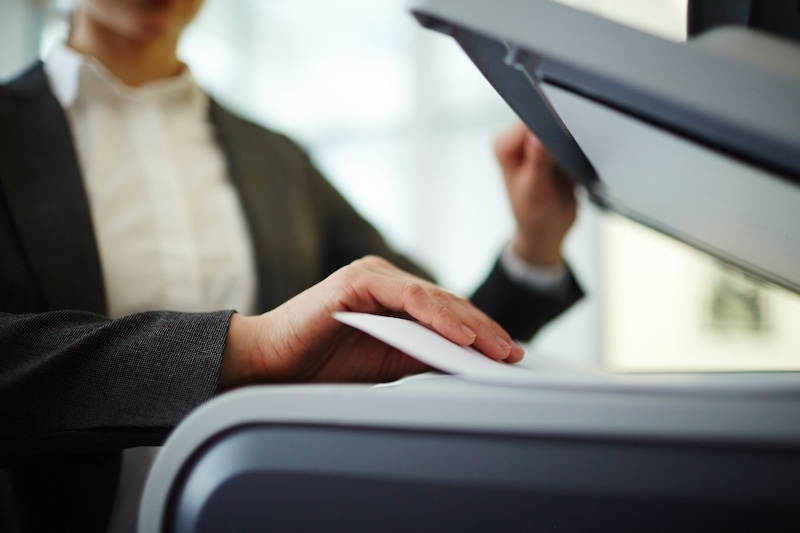
Walk into most South Florida offices and you will find a multifunction printer sitting quietly in the corner. People press “copy,” grab their pages, and walk away. But that machine is capable of much more.
The global printer market reached $70 billion in 2026, according to Mordor Intelligence, and multifunction copiers are growing at 8.2 percent annually. Why? Because businesses finally realize these devices are workflow hubs, not just paper makers. And the gap between what an MFP can do and what most teams actually use it for is enormous.
Consider this: the average employee generates $725 in printing costs per year. Multiply across a 50-person office and you are looking at over $36,000 annually. A large portion of those costs come from inefficiencies: single-sided printing, abandoned print jobs, and manual processes a modern MFP could handle automatically. Yet many South Florida businesses lease machines with powerful features they never configure.
So what are you missing? Here are five capabilities changing how offices operate, plus practical guidance on choosing the right equipment for your Miami or South Florida business.
Capability #1
Scan-to-Cloud: Send Documents Anywhere Without Touching a Computer
Remember walking to the copier, scanning a document to a USB drive, then plugging the drive into your laptop to email the file? That entire process is obsolete.
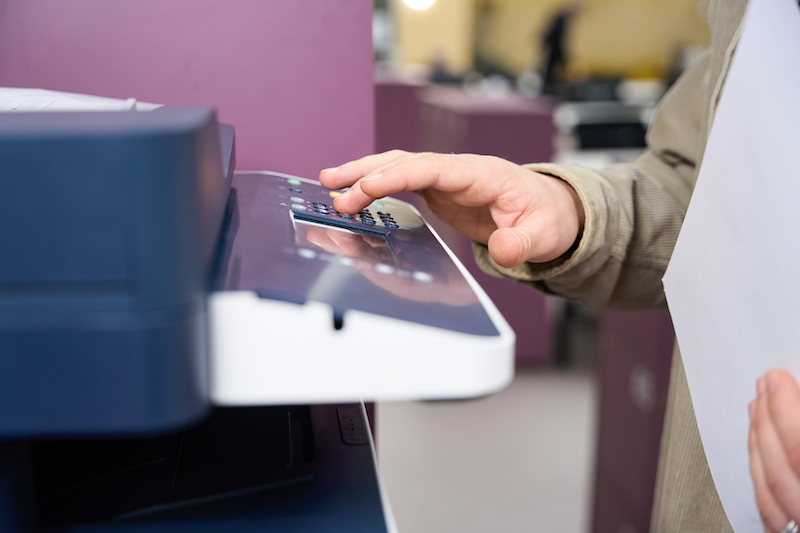
Current multifunction printers scan directly to Google Drive, Microsoft SharePoint, Dropbox, and OneDrive. You tap a destination on the touchscreen, feed your pages through the automatic document feeder, and the files land in your cloud folder within seconds. Some models even perform OCR (optical character recognition) on the fly, converting scanned images into searchable, editable text.
For Miami businesses with remote teams, this matters. A receptionist can scan a signed contract at the front desk, and the sales manager working from home sees it in SharePoint immediately. No email attachments, no file-size limits, no delays.
The time savings add up faster than most people expect. A mid-size office scanning 30 documents per day saves roughly 15 minutes per batch by scanning directly to the cloud instead of following the old USB-to-email routine. Over a year, those minutes become entire work days returned to more productive tasks. And because cloud-stored documents are searchable (thanks to built-in OCR), finding a specific invoice from three months ago takes seconds instead of a trip to the filing cabinet.
- Scan to email, cloud storage, FTP, or network folders from the touchscreen
- Built-in OCR converts paper documents into searchable PDFs and editable Word files
- Automatic document feeders handle 50 to 100+ pages in a single pass
- Duplex scanning captures both sides of a page without manual flipping
- Preset scan profiles let teams save custom settings for invoices, contracts, or ID badges
Capability #2
AI-Powered Document Routing & Workflow Automation
This is where modern MFPs start to feel less like printers and more like smart assistants. AI-driven copiers released in 2025 and 2026 can read the content of a scanned document and route it to the correct department automatically.
Scan an invoice and the machine recognizes it as accounts payable, then sends it to your finance team’s shared folder. Scan a signed NDA and it files directly into your legal repository. The device learns your patterns over time, which means fewer manual steps for your staff.
According to Doceo’s 2026 MFP report, AI document routing eliminates an average of 15 to 20 manual filing steps per day in a mid-size office. And predictive maintenance algorithms now alert your IT team before a part fails, preventing the surprise breakdowns that stall productivity.
What does this look like in practice? A medical office in Coral Gables scans patient intake forms at the front desk. The MFP reads the form type, recognizes it as a new-patient document, and routes it to the electronic health records system for processing. No one clicks “save as” or drags a file into a folder. The machine does it. For offices dealing with dozens of document types daily, this single feature can eliminate an hour or more of manual sorting and filing.
- AI reads scanned content and routes documents to the right folder or person
- Predictive maintenance flags worn parts before they cause jams or downtime
- Automated workflows trigger approval chains when specific document types are scanned
- Usage analytics dashboards show which departments print the most (and where waste hides)
of organizations experienced a print-related security incident in 2024, up from 61% the previous year (Quocirca Print Security Report)
Capability #3
Enterprise-Grade Security Built Into the Device
Here is a question most office managers never ask: is our copier a cybersecurity risk? The answer, for a surprising number of businesses, is yes.
Modern multifunction printers store copies of every document they process on internal hard drives. Without proper security settings, those drives become a treasure trove for hackers. HP reported in 2026 that 74 percent of small and mid-market organizations experienced a printer-related data loss incident. Print-related breaches now cost an average of $1.3 million per event.
But the good news? Newer MFPs include serious security tools. Encrypted hard drives wipe data after every job. Secure print release requires employees to authenticate at the device with a PIN or badge before pages come out, so sensitive documents never sit in an open tray. And firmware auto-updates patch vulnerabilities without waiting for someone in IT to remember.
- Encrypted storage with automatic data overwrite after each print or scan job
- Secure print release via PIN, badge, or mobile authentication
- Firmware auto-updates keep the device patched against new threats
- Audit logging tracks every print, copy, and scan for compliance reporting
- Integration with zero-trust network architectures (no more “trusted” device zones)
For healthcare providers, NIST cybersecurity framework compliance often requires audit trails on all document handling. Financial firms face similar mandates under SEC and FINRA rules. A properly configured MFP generates these audit logs automatically, which saves your compliance team hours of manual record-keeping each quarter.
If your business handles medical records, legal files, or financial data in the Miami area, these features are not optional. 1800 Office Solutions configures security settings on every device we deploy so nothing slips through the cracks.
Capability #4
Mobile Printing & Remote Access for Hybrid Teams
The hybrid work era changed what offices expect from their printers. Your sales rep closes a deal at a coffee shop and needs to print the signed agreement before a meeting across town. Can they do it from their phone? With a current MFP, absolutely.
Apple AirPrint, Mopria for Android, and manufacturer apps from HP, Canon, and Ricoh let employees send print jobs from any device on any network. Some models support printing via email: forward a document to the printer’s unique email address, and it comes out of the tray automatically.
For South Florida businesses running multiple locations, centralized fleet management software lets IT administrators monitor toner levels, paper counts, and error codes across every device from a single dashboard. No more driving between offices to check supply levels.
Guest printing is another feature offices overlook. Clients visiting your Brickell office can print a presentation from their laptop through a secure guest portal, without ever connecting to your internal network. The printer generates a temporary access code, the visitor prints their document, and the session expires. It is a small convenience for guests and a significant security win for your IT team.
- Print from iOS, Android, Chromebook, or any Wi-Fi-connected device
- Email-to-print sends documents to the machine from anywhere with internet access
- Cloud print services work even when the user is not on the office network
- Centralized fleet dashboards monitor every device across all locations
- Guest printing portals let visitors print without accessing your internal network
cost reduction achieved by businesses that switch to Managed Print Services, according to Gartner Group research
Capability #5
Managed Print Services: Turning Your Copier Into a Predictable Monthly Cost
Most businesses buy toner when they run out, call for service when something breaks, and replace machines when they get fed up. This reactive approach costs more than anyone realizes.
The average employee generates $725 in printing costs per year, and businesses spend 1 to 3 percent of total revenue on printing. For a company with 50 employees, that can exceed $36,000 annually, and much of it is waste: abandoned print jobs, oversized toner orders, and single-sided printing on documents nobody reads.
Managed Print Services (MPS) fix this by wrapping hardware, toner, maintenance, and monitoring into one predictable monthly payment. The MPS market reached $54 billion in 2026, growing at nearly 9 percent per year, because the math works. Businesses that adopt MPS typically cut printing costs by 20 to 30 percent and reduce paper waste by 10 to 15 percent.
At 1800 Office Solutions, our managed print program includes automatic toner replenishment, proactive maintenance, and quarterly reviews to make sure your fleet right-sizes as your team grows or shrinks.
Here is what makes MPS different from simply buying a service contract: the provider has a financial incentive to keep your machines running efficiently because downtime and waste eat into their margins. So they monitor usage patterns, flag devices printing too many pages in draft mode (wasting toner), and recommend configuration changes before costs creep up. It is a model built around prevention, not reaction.
According to CISA best practices, organizations should treat printers as managed endpoints just like laptops and servers. MPS programs align perfectly with this guidance because every device in the fleet stays patched, monitored, and secured under a single management umbrella.
Cost Breakdown
How Much Does a Multifunction Copier Actually Cost in 2026?
Price is the first question every business asks. But the real question is total cost of ownership, because the cheapest machine often costs the most over a three- to five-year lease. Here is what South Florida businesses should expect:
| MFP Category | Monthly Lease | Best For | Key Features |
|---|---|---|---|
| Entry-Level B&W | $100 – $200 | Small offices (under 5,000 pages/month) | Print, copy, scan, fax; duplex printing |
| Mid-Range Color | $200 – $450 | Growing teams (5,000 – 15,000 pages/month) | Cloud scanning, secure print, mobile access |
| High-Volume Production | $450 – $600+ | Large offices (15,000+ pages/month) | AI routing, booklet finishing, stapling, hole-punch |
| Managed Print (All-Inclusive) | $150 – $500 | Any size (toner, service, hardware included) | Predictable cost; proactive monitoring; zero surprise bills |
Keep in mind that lease rates vary based on term length (36 vs. 60 months), included service, and volume commitments. A reputable provider like 1800 Office Solutions will walk you through total cost of ownership before you sign anything. And honestly, the cheapest quote is rarely the best deal once you factor in toner, service calls, and downtime.
Green Printing
Sustainability Features You Probably Have Not Activated
Office printing has a real environmental footprint. But newer MFPs include tools designed to shrink it, and most go unused because nobody configures them.
Duplex printing (automatic two-sided) cuts paper consumption by up to 50 percent. Most MFPs ship with this feature turned off by default. Setting duplex as the standard across your fleet is a five-minute change with a meaningful impact. Sleep mode timers reduce energy use by 30 percent, and toner-save modes extend cartridge life by printing at slightly lower density for internal drafts.
Beyond settings, look at the device itself. Energy Star-certified MFPs consume significantly less power during active use and standby. And many manufacturers now offer toner cartridge recycling programs at no cost.
- Default duplex printing cuts paper use by up to 50 percent
- Sleep mode and auto-off timers reduce energy consumption by 30 percent
- Toner-save mode extends cartridge life for internal-only documents
- Secure pull-printing eliminates abandoned print jobs (a major source of waste)
- Cartridge recycling programs available from HP, Canon, Ricoh, and others
Buyer’s Guide
How to Choose the Right Multifunction Printer for Your Business
Not every office needs the same machine. A five-person law firm in Coral Gables has different requirements than a 200-employee logistics company in Doral. Here is what to evaluate:
Monthly print volume: Count how many pages your team prints, copies, and scans each month. Underestimating volume leads to excessive per-page overage charges on a lease. Overestimating means paying for capacity you never use.
Color vs. monochrome: Color pages cost roughly five times more than black-and-white. If 80 percent of your output is text documents, a monochrome MFP with a separate color inkjet for occasional marketing materials may save thousands over a lease term.
Connectivity needs: Hybrid teams need Wi-Fi, cloud scanning, and mobile print support. Offices with strict compliance requirements might prefer wired-only connections with network segmentation.
Security requirements: Healthcare, legal, and financial firms need encrypted storage, secure print release, and audit logging. Do not skip these features to save $30 a month.
Service and support: A machine is only as reliable as the service behind it. Ask about response times. In the Miami market, 1800 Office Solutions offers service because downtime costs more than any service contract.
Your Office Equipment Partner
How 1800 Office Solutions Helps Miami Businesses Print Smarter
Free Print Assessment
We audit your current fleet, identify waste, and recommend right-sized equipment with no obligation.
Flexible Leasing
36- to 60-month terms with toner, maintenance, and support bundled into one predictable monthly payment.
Security Configuration
We set up encryption, secure print release, and firmware updates on every device from day one.
Cloud Integration
Scan-to-cloud, mobile printing, and fleet monitoring connected to your existing platforms.
Managed Print Services
Automatic toner shipments, proactive maintenance, and quarterly optimization reviews.
1800 Office Solutions has served businesses across South Florida with office equipment, managed print, IT services, and cybersecurity solutions. We are not a faceless national chain.
Frequently Asked Questions
Laser Printers, Scanners & Copiers FAQ
What is a multifunction printer (MFP)?
A multifunction printer combines printing, copying, scanning, and faxing into a single device. Most modern MFPs also include cloud connectivity, mobile printing, and document management features. They replace the need for separate machines, saving space, power, and maintenance costs.
How much does it cost to lease a copier in South Florida?
Monthly lease rates range from $100 for basic black-and-white models to $600 or more for high-volume production units. Mid-range color MFPs typically lease for $200 to $450 per month on a 36- to 60-month term. Managed print agreements that bundle toner and service start around $150 per month.
Are office printers a cybersecurity risk?
Yes. Printers store documents on internal hard drives, connect to your network, and often run outdated firmware. HP reported in 2026 that 74 percent of small businesses experienced a printer-related data loss. Secure print release, encrypted storage, and automatic firmware updates significantly reduce this risk.
What is managed print services (MPS)?
MPS is a subscription model where a provider monitors your print fleet, ships toner automatically, performs proactive maintenance, and handles repairs. Businesses pay a predictable monthly fee instead of buying supplies and service separately. MPS typically reduces total printing costs by 20 to 30 percent.
Can I print from my phone to an office copier?
Yes. Most current MFPs support Apple AirPrint, Mopria for Android, and manufacturer-specific apps. Some models also accept print jobs via email. You send the document to a unique printer email address, and the output appears at the device.
How do I reduce printing costs without sacrificing quality?
Start by enabling default duplex printing, which cuts paper use by up to 50 percent. Use toner-save mode for internal drafts. Implement secure pull-printing to eliminate abandoned jobs. And consider managed print services for volume discounts on supplies and proactive device monitoring.
What is the difference between an inkjet and a laser printer?
Laser printers use toner powder and a heated drum to fuse text onto paper. They print faster, produce sharper text, and cost less per page for high-volume jobs. Inkjet printers spray liquid ink and are better for occasional color photo printing. For most office environments, laser MFPs are the more cost-effective choice.
How often should office copiers be serviced?
Most manufacturers recommend preventive maintenance every 50,000 to 100,000 pages or every six months, whichever comes first. High-volume devices may need quarterly service. With managed print services, maintenance is proactive; the provider tracks usage and schedules service before problems develop.
What features should I look for in a multifunction copier?
Prioritize automatic duplex printing and scanning, a high-capacity automatic document feeder, cloud scan destinations, secure print release, mobile print support, and network-ready connectivity. Businesses handling sensitive data should also require encrypted storage and audit logging.
Does 1800 Office Solutions service all of South Florida?
Yes. 1800 Office Solutions provides copier leasing, managed print services, IT support, and cybersecurity solutions across Miami-Dade, Broward, and Palm Beach counties. We have served the South Florida market.
Can modern copiers scan directly to cloud storage?
Absolutely. Most MFPs released after 2023 support scan-to-cloud for Google Drive, Microsoft OneDrive, SharePoint, and Dropbox. Some models also scan directly to workflow platforms like Box or Evernote. 1800 Office Solutions configures these integrations during installation at no extra cost.
What is AI document routing on a copier?
AI document routing uses machine learning to read the content of a scanned page and file it automatically. The copier identifies document types (invoices, contracts, purchase orders) and sends them to the correct folder or approval workflow. It reduces manual filing and speeds up document processing across departments.
Ready to Print Smarter, Not Harder?
1800 Office Solutions has helped Miami businesses save on printing. Get a free assessment of your current fleet and discover how much you could save.
Call us: (888) 574-5120
Your One Source For Everything Office