
What Is a Barcode Reader and How Does It Function as a POS Scanner?
What is a barcode reader and how does it function as a POS scanner? Business owners often face delays at checkout lines, affecting customer experience and productivity. This article explains how a barcode reader works in a retail setting and examines its benefits in point of sale systems. The content also covers troubleshooting common challenges. Readers gain insight into the streamlined operation of office equipment and learn practical solutions to improve sales and service efficiency.
Key Takeaways
- high-performance barcode readers boost transaction speed and reduce manual entry errors
- seamless integration with systems supports efficient inventory and asset management
- modern scanners support multiple formats for various retail and business applications
- wireless connectivity and mobile scanning improve transaction management in dynamic settings
- advanced technology enhances data capture and minimizes operational disruptions
What Is a Barcode Reader and Its Role as a POS Scanner?
This section introduces barcode technology fundamentals, discussing various barcode readers such as qr code scanners and mobile app integrations. It also outlines practical aspects like traceability, jpeg support, and gs1 designation, while highlighting the key features essential to POS barcode scanners.
Understanding the Basics of Barcode Technology
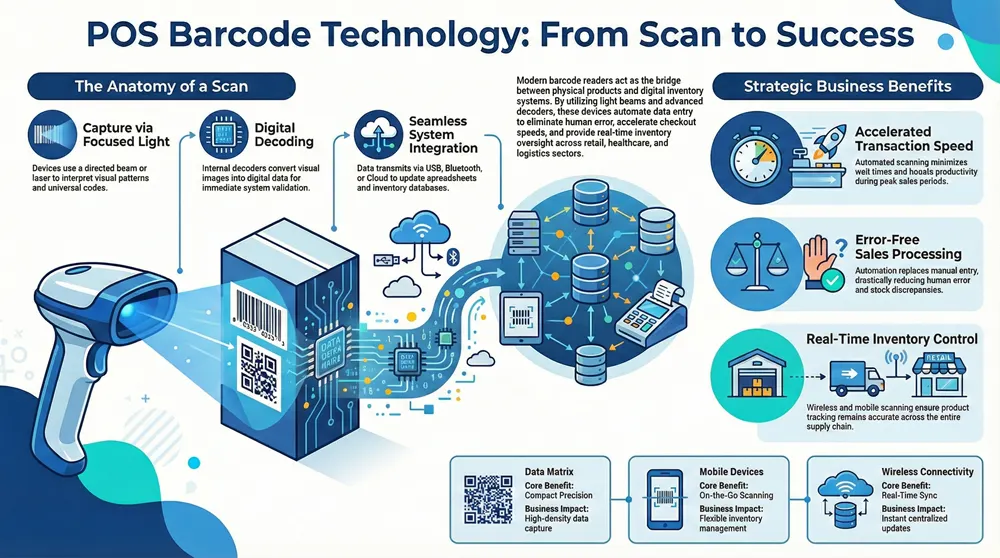
The foundation of barcode technology rests on a simple yet effective tool called the barcode reader, which guides a smooth workflow through quick data capture. This device uses a focused beam of light and relies on usb connectivity for seamless integration into systems, ensuring businesses process transactions with minimal downtime:
The simple integration of usb tools and precise light scanning improves accuracy and speeds up the workflow, offering reliable performance as a barcode reader in a POS setting. This approach addresses common pain points by providing a dependable tool that business owners can rely on for efficient transaction management.
Different Types of Barcode Readers Available
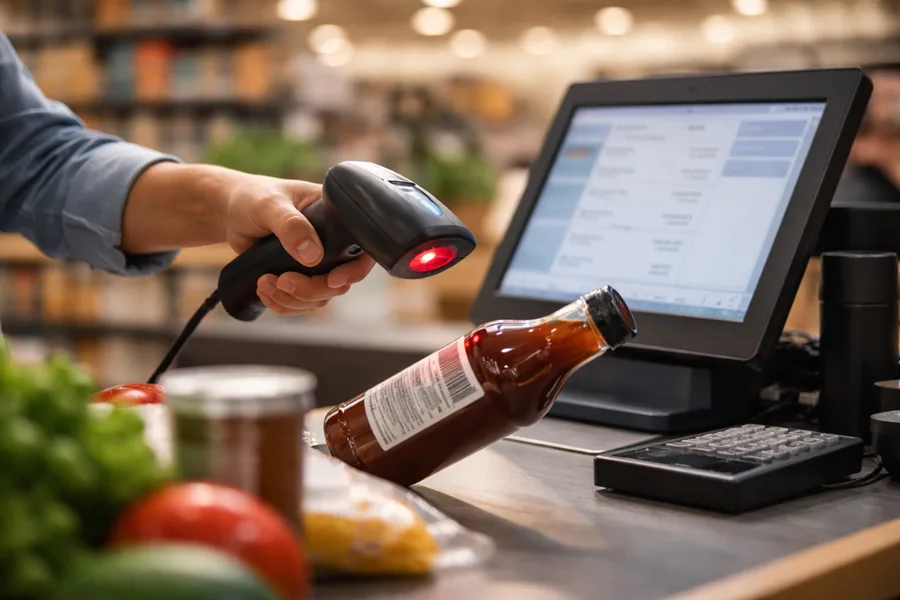
Modern barcode readers include various models such as handheld devices that support code 128 scanning, with robust power supply options to ensure steady performance during business hours. Some readers seamlessly integrate with android systems, offering quick and reliable performance that meets the needs of busy retail environments.
Other types incorporate features that support quick transaction processing in diverse settings, from scanning items in a cart to managing inventory look-up in a book tracking system. These devices provide practical benefits like improved reliability and dependable operation, ensuring business owners can maintain efficient checkout processes.
Key Features of POS Barcode Scanners
Modern POS barcode scanners offer features that optimize usability and improve efficiency in transaction processes. Designed with precision, they integrate robust barcode reading capabilities similar to those found in zebra technologies devices, ensuring smooth data capture for retail environments.
This advanced equipment effortlessly feeds accurate data into spreadsheets while interfacing with a variety of printer systems. The reliable performance of these scanners addresses everyday operational challenges and supports businesses with dependable technology solutions.
How Does a Barcode Reader Work?
The scanning process explained outlines methods behind barcode interpretation. It covers diverse scanning mechanisms and examines the role of decoders in data capture. Readers learn how integrated api, enterprise software, battery charger support, technology, and supply chain management features boost system efficiency.
The Scanning Process Explained
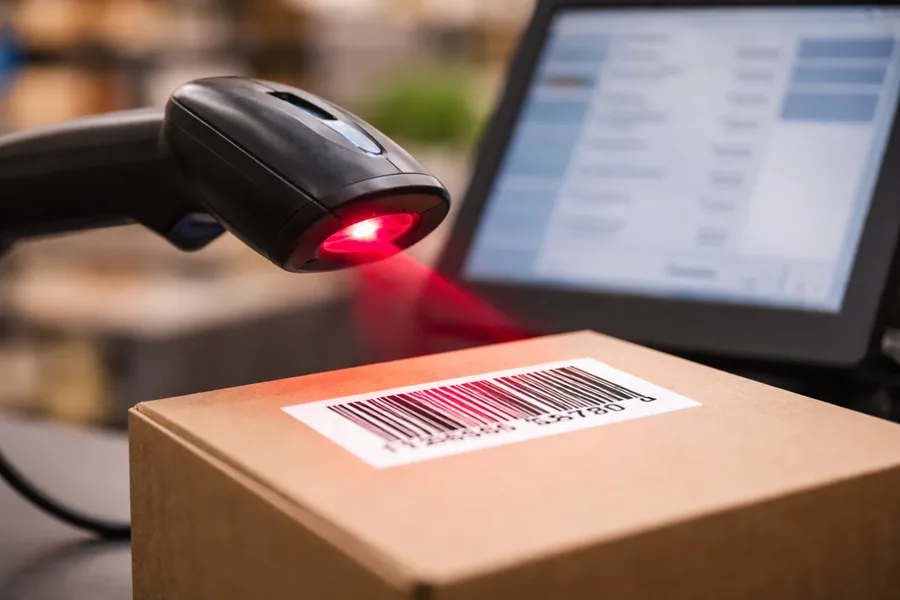
The scanning process begins with a focused beam deciphering the image of a coded symbol, such as the universal product code or codabar format, and converting it into numerical or alphanumerical data. This captured data often integrates seamlessly into systems like Microsoft Excel, streamlining the inventory management process for business owners.
Once the reader decodes the image, it quickly validates the data for accuracy and transmits the information for further processing. The process reduces errors during inventory data entry and optimizes workflows, ensuring that transactions remain efficient and reliable across different applications.
Types of Scanning Mechanisms Used
The scanning mechanism in many devices relies on automatic identification and data capture techniques, using a focused light beam to read various barcode formats such as code 39. Business corporations often integrate bluetooth technology, which facilitates wireless connections for enhanced operational efficiency.
Specific systems operate with innovations similar to qrbot, ensuring that the method of decoding information remains swift and reliable. Such solutions continue to support real-world applications, providing a practical approach for managing inventory and streamlining transactions in a POS environment.
The Role of Decoders in Barcode Reading
The decoder within a barcode reader interprets the scanned image by converting the visual data into digital information, such as a retail barcode linked to an international article number. This method relies on laser scanning techniques to ensure precise light capture and output, making the transition from image to data both efficient and reliable for website inventory systems and pdf records.
This essential component validates the code by analyzing its structure and content, ensuring accurate information transfer in environments like retail outlets. By using proven laser scanning technology, the integrated decoder provides actionable data for business operations, addressing concerns over inventory discrepancies and maintaining operational consistency across different platforms.
Advantages of Using Barcode Readers in Point of Sale Systems
This section highlights how barcode readers improve transaction speed and reduce human error in sales processing. Their ability to capture data swiftly through a camera and support effective data collection also enhances inventory management. The content covers topics from maxicode benefits to the use of qr reader pc for reliable operations.
Improving Transaction Speed and Efficiency
The barcode reader boosts transaction speed by automating data capture processes that integrate with dedicated software designed for retail environments. Its ability to swiftly scan labels, including pdf417 codes, minimizes waiting time at checkout, thereby increasing operational asset efficiency. This improvement directly addresses key challenges faced by business owners in managing busy sales periods.
The system’s reliability in reading diverse formats supports a streamlined workflow for transaction processing. The incorporation of robust automation features reduces manual errors and accelerates the input of critical data, ensuring that every asset is accurately recorded. This functionality enables businesses to maintain effective inventory oversight while keeping transactions timely and efficient.
Reducing Human Error in Sales Processing
The integration of barcode readers in sales processing minimizes errors by automating data capture into a centralized database. This system supports asset tracking while facilitating access control and packaging accuracy, ensuring the efficiency of operations appreciated by businesses utilizing solutions from firms such as Cognex Corporation.
Utilizing barcode readers reduces manual data input, which addresses frequent concerns over human error during high-volume transactions. By streamlining sales data entry, seamless integration with asset tracking and optimized access control contribute to smoother business processes and more reliable packaging operations.
Enhancing Inventory Management Capabilities
The integration of barcode readers into point of sale systems optimizes inventory processes by instantly capturing details directly into a computer system using wireless connectivity and a software development kit; data matrix codes are processed quickly on a mobile device to ensure product tracking remains efficient and error-free:
Barcode readers streamline inventory control by reducing manual entry and synchronizing data with a central system; businesses benefit from actionable insights that allow for proactive management and reduction of stock discrepancies while leveraging robust software development kit integration for enhanced operational outcomes.
Applications of Barcode Readers in Various Industries
This section covers retail sector use cases, healthcare applications, and logistics and warehousing implementations. It highlights how barcode readers use sensor technology, supports ios integration, and processes aztec code, matrix, and laser-based data. Each area presents clear benefits in efficiency and accuracy, linking practical insights with overall system performance.
Retail Sector Use Cases
Retail applications of barcode readers play a significant role in modern point of sale systems, offering fast and reliable data capture in busy stores. These devices contribute to efficient transaction processing and inventory management, benefiting retail outlets in the United Kingdom as they streamline operations similar to those in warehouse and logistics environments.
In addition to retail stores, barcode readers support accurate product tracking in manufacturing settings, ensuring that items move quickly through the supply chain. Their integration into point of sale systems aids business owners in reducing errors and improving efficiency, a strategy that proves valuable across warehouse, logistics, and manufacturing sectors in the United Kingdom.
Applications in Healthcare
The barcode reader plays a vital role in healthcare by ensuring efficient management of patient records and medications, where each item can be tracked using an isbn in the scanning interface. Its extended field of view and improved speed help medical facilities manage assets rapidly while reducing manual entry errors.
Healthcare providers benefit from the reliable interface of barcode scanners during patient check-ins and record management, ensuring every item’s isbn is quickly recorded with precision. The extended field of view and swift speed enable a smooth workflow, effectively addressing key pain points in busy healthcare settings.
Implementations in Logistics and Warehousing
The barcode reader plays a significant role in logistics and warehousing by streamlining item tracking and record keeping. It facilitates accurate data capture during shipment processing and inventory control, reducing administrative tasks and minimizing errors during busy operations:
- Quick data capture for efficient inventory management
- Seamless integration with logistics systems
- Enhanced record accuracy for supply chain management
Businesses utilize these devices to support real-time updates and data synchronization between warehouses and distribution centers. The equipment contributes to smoother workflows, improved transaction recording, and a reduction in manual intervention during the handling of goods.
Common Challenges and Solutions in Barcode Scanning
Business owners face challenges such as poor print quality, multiple barcode formats, and environmental interference when using barcode readers as POS scanners. The following sections address each issue by outlining effective solutions that deliver clear benefits for retail operations and inventory control.
Addressing Poor Print Quality of Barcodes
Barcode readers often struggle with poorly printed labels, which compromise the accuracy of data capture. Industry experts recommend regular quality checks and maintenance of printing equipment to ensure that each barcode remains clear and scannable in a point-of-sale system.
Business owners can address print quality issues by closely monitoring the printing process and opting for high-grade labels and inks. This approach helps bridge any gaps between label quality and the performance of POS scanners, ensuring smooth transaction workflows and reliable data entry.
Managing Different Barcode Formats
Barcode readers must interpret a range of formats, and systems designed for point-of-sale applications often include adaptable decoding capabilities. Business owners find that implementing versatile scanning equipment simplifies the process of recognizing UPC, Code 128, and other barcode types, reducing manual errors during data entry.
Adapting technology to handle distinct barcode formats minimizes disruptions during transactions. Experts note that using equipment designed for diverse code recognition supports streamlined operations and reliable data capture in busy retail settings, ultimately addressing common pain points in sales processing.
Overcoming Environmental Interferences
Businesses experience occasional disruptions in data capture caused by ambient light and reflective surfaces. Professional operators address these interferences with well-calibrated barcode readers designed to perform reliably under varying environmental conditions. Companies applying these solutions report a notable improvement in scanning accuracy during busy operational periods.
Experts recommend optimizing the scanning environment by regularly adjusting device settings and positioning. Skilled technicians adjust the light intensity and focus to diminish the impact of external factors, ensuring consistent performance in transaction processing. This approach supports uninterrupted operations and reinforces the overall efficiency of point of sale systems.
Future Trends in Barcode Reading Technology
Recent progress has reshaped mobile scanning solutions, cloud-based POS system integration, and the use of artificial intelligence in barcode reading. Each advancement brings practical improvements to data capture efficiency, system connectivity, and accuracy, detailing clear benefits for retail environments and inventory management. These topics set the stage for deeper insights into future barcode reading technology trends.
Advancements in Mobile Scanning Solutions
The evolution of mobile scanning solutions has produced devices that integrate smoothly with enterprise systems, permitting quick and efficient data capture directly from smartphones and tablets. These mobile scanners provide businesses with a versatile tool for processing transactions in various environments, ensuring that inventory management and point-of-sale operations remain uninterrupted.
Recent developments in wireless connectivity and compact design have improved the accuracy and reliability of mobile scanning technology. Business owners benefit from these advancements as they reduce downtime and support streamlined operations through efficient deployment in retail and logistics settings.
Integration With Cloud-Based POS Systems
Cloud-based POS systems allow barcode readers to transmit data in real time, improving transaction speed and overall system efficiency. Business owners benefit from seamless updates and centralized controls that reduce downtime during peak operations.
The integration process connects robust barcode scanning equipment with cloud platforms, ensuring data is synchronized across all channels and improving traceability in transactions:
The Impact of Artificial Intelligence on Barcode Reading
Artificial intelligence transforms barcode reading by optimizing data capture and reducing errors in transaction processes. Organizations benefit from faster processing times and improved accuracy when scanning barcodes in real-time, which supports inventory management and POS system efficiency.
AI-driven barcode readers offer precise decoding with minimal manual intervention, resulting in fewer disruptions during busy sales periods. This smart technology addresses common pain points for business owners by delivering reliable performance and robust integration into longstanding office equipment setups.
Frequently Asked Questions
What is a barcode reader’s primary function in POS systems?
A barcode reader in POS systems quickly scans product codes to connect transaction details with the inventory and pricing databases, ensuring efficient checkout and accurate record management.
How does a barcode reader process data quickly?
A barcode reader processes data quickly by capturing high-resolution images and applying efficient algorithms that swiftly recognize numerical patterns, ensuring reliable performance for copiers, scanners, and office equipment leasing.
What benefits do barcode readers offer during transactions?
Barcode readers speed up transactions by scanning items quickly and reducing errors, which supports effective data tracking for office equipment and Managed IT services, ensuring smoother operations for business owners.
Which industries widely use barcode scanners in operations?
Retail, warehousing, manufacturing, and healthcare sectors depend on barcode scanners for inventory management, shipping processes, and point-of-sale transactions. These industries find scanners indispensable for streamlining operations and ensuring accuracy.
What obstacles typically arise in barcode scanning and resolution?
Barcode scanning obstacles include low image quality, suboptimal lighting, and damaged codes, which can reduce scanning accuracy and efficiency in many business environments.
Conclusion
Barcode readers play a vital role in streamlining transaction processes and enhancing business efficiency as POS scanners. They accurately capture data using focused light beams and robust integration methods, ensuring reliable performance. These devices simplify inventory management, reduce manual entry errors, and support real-time updates across systems. Business owners benefit from improved transaction speeds and enhanced operational consistency through the use of advanced barcode readers.