


Cybersecurity in the Modern Office: Protecting Your Business Data

Cyberattacks pose a significant risk to businesses of all sizes. As more company data is stored digitally and employees bring their own devices to work, organizations must make cybersecurity a top priority. Implementing robust protections for business information ensures operations can continue undisrupted while maintaining the trust of partners and customers.
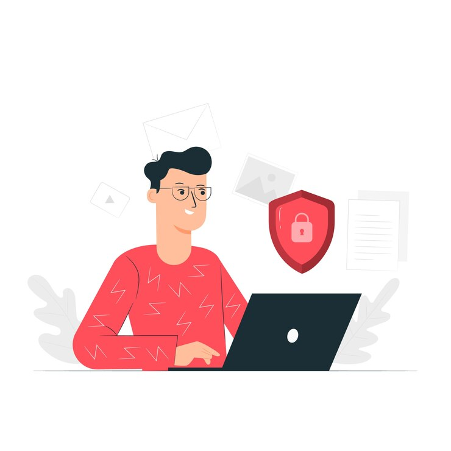
This article provides an overview of best practices that managers, business owners and organizational leaders can employ to bolster cyber defenses. It covers critical safeguards like access controls, awareness training, encryption and endpoint security. With a layered approach across people, processes, open banking solutions, and technology, modern offices can effectively secure sensitive data.
Access Controls
Controlling access remains one of the most vital aspects of any cybersecurity program. Companies must limit access to sensitive business data and systems to only authorized users. Some key access control methods include:
Multifactor Authentication (MFA)
MFA requires employees to provide two or more verification factors when logging into networks, email, applications or other IT resources. This protects against compromised passwords. Common authentication factors include biometrics, security keys and one-time codes sent to mobile devices.
Role-based Access Controls (RBAC)
RBAC restricts employee access based on their role within the company. Workers should only get access to the data and systems necessary for their specific job duties.
Remote Access Controls
With more employees working remotely, organizations must ensure strong controls around connecting from outside the office network. Solutions like virtual private networks (VPNs), zero-trust network access and remote desktop gateways help secure remote access.
Password Policies
Enforcing strong password policies improves identity and access protections. Require employees to use lengthy, complex passwords that get changed every 60-90 days.
Security Awareness Training
One of the biggest cybersecurity risks comes from employees themselves. An untrained workforce that’s unaware of data protection best practices poses a major security vulnerability. Investing in new technology makes little difference if end users aren’t educated on threats.
That’s why continuous security awareness and data privacy training is crucial for every modern office. Education programs teach employees to identify phishing emails, create strong passwords, securely transfer files, report incidents and follow data protection policies.
Simulated phishing attacks during training also help inoculate users against real-world attacks. Analyzing which employees fell victim in simulations lets organizations target extra education at higher risk groups.
Securing Email
Email gateways remain one of the most common intrusion points for cyber criminals targeting organizations. That makes securing email essential for protecting business data. Core email security best practices include:
Email Gateway Security
Cloud email gateways scan all incoming and outgoing messages for malware, phishing attacks and spam threats before they reach employee inboxes. Advanced gateways also feature data loss prevention to block sensitive data from leaving the network.
Encryption
Encrypting email prevents unauthorized access to messages should they fall into the wrong hands. Digital encryption scrambles message contents so only intended recipients with decryption keys can read them. Encryption works alongside email gateways to provide layered protection.
Two-factor Authentication
Adding two-factor authentication (2FA) for employee email accounts enhances security. Users must enter a verification code from their phone when accessing email from a new device, stopping cybercriminals from obtaining a password through phishing or guessing.
Endpoint Security
Endpoint security solutions prevent intrusions and data loss from employee devices like laptops, desktops and smartphones. Core endpoint protections include:
Anti-malware & Anti-virus Software
Installing anti-malware/anti-virus software on all employee endpoints detects and blocks viruses, spyware, ransomware and other malicious code. Software should always run real-time scans.
Patch Management
Promptly patching operating systems, software and firmware eliminates security holes that attackers exploit to infiltrate endpoints. Automated patch management solutions facilitate patching across every endpoint.
Data Loss Prevention (DLP)
Data loss prevention tools stop employees from intentionally or accidentally moving sensitive data off protected networks onto insecure endpoints. DLP allows setting policies around restricted data.
Data Encryption
Strong encryption applied to sensitive business data, databases, backups and endpoints prevents unauthorized access if defenses are breached. Specific technologies like file and folder encryption, encrypted storage, encrypted data backups and database encryption safeguard critical information.
Policies should mandate encryption for all business data at rest or in transit between systems based on data classification levels. Failing to encrypt data needlessly risks business information and customers.
Incident Response Readiness
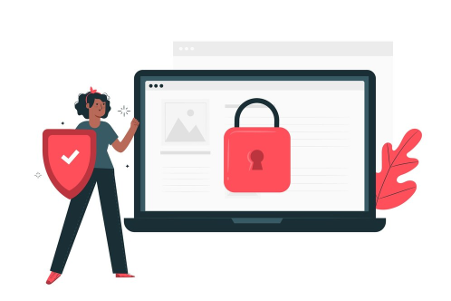
Despite an organization’s best efforts, cyberattacks still happen. That makes incident response preparedness critical—no company can prevent every breach. Businesses must have an incident response plan ready detailing steps the response team will take during an attack to minimize damage.
Key response plan components include:
Defining Roles
Who leads response efforts? Who makes decisions during attacks? Define team member responsibilities ahead of time so you can react quickly.
Notification Procedures
Who gets notified about ongoing attacks first? Set escalation procedures for when senior leadership, customers or law enforcement need alerting.
Containment/Remediation Steps
Outline the technical steps the team takes to isolate, contain and remediate threats during incidents to stop attacks from spreading.
Public Relations
If an attack becomes public, how will you communicate with customers, the media and other stakeholders? Build a communications plan now for rapid response later.
Testing response procedures with simulated incidents ensures that when real-world attacks strike, your team knows exactly what to do. Read through the plan together at least annually to keep the knowledge fresh.
Securing the Modern Office Environment
Workplaces have changed radically in the past few years. With remote work and BYOD policies letting more employees work from anywhere on personal devices, offices must adjust cyber defenses.
Mobile Device Management (MDM)
MDM solutions secure and control employee smartphones and tablets that access company data. MDM lets IT teams enforce passwords, remotely wipe lost devices, set app permissions, provision Wi-Fi profiles and ensure devices run the latest OS versions.
Cloud Access Security Broker (CASB)
Since sanctioned cloud apps like Office 365 and unsanctioned shadow IT cloud tools commonly get used for remote work, deploying a CASB secures these access points. CASBs sit between users and cloud tools, allowing real-time monitoring for threats. Administrators can set policies better to control cloud app usage across any device type.
Network Segmentation
Modern network architectures should segment business-critical systems from the rest of the network. Network segmentation makes it harder for attackers that infiltrate part of the network to then pivot to more sensitive areas. Software-defined perimeters and zero-trust network access add robust network controls.
The Way Forward
Cyber risks will never completely disappear. However, organizations willing to tackle access controls, employee education, data and endpoint protections, encryption and incident response preparedness give themselves the best chance of securing critical business data from modern cyber threats.
Prioritizing these foundational cybersecurity controls better positions companies to continue serving customers at a high level without disruptive data breaches. If attacks do occur, following incident response plans limits potential reputational and financial damages.
With cybercrime growing exponentially every year, taking data protection seriously in the early 2020s remains one of the wisest business investments leaders can make. The time is now to secure systems and train teams—before you end up in the news headlines for the wrong reasons.
 Business Network Monitoring & Printer Repair | Cybersecurity & Support, Gposts, Premium Office Copier & Printer Solutions | Leases & Repairs