

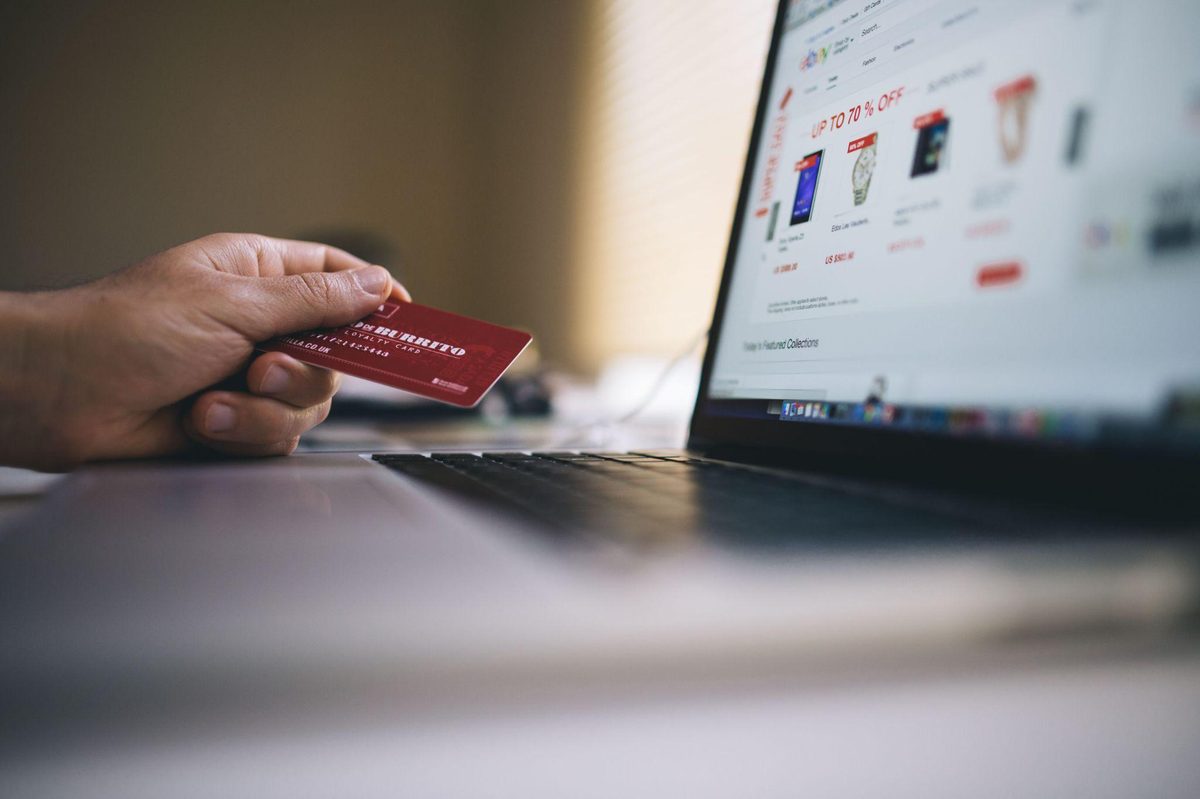
Shopping looks totally different these days. People scroll through phones. They compare prices across tabs. They buy stuff directly from Instagram. They confirm purchases with a quick thumb scan. The old checkout routine feels clunky now. Typing in sixteen digits. Searching for an expiration date. Squinting at a tiny CVV code. Waiting forever for a confirmation screen.
That whole song and dance feels wrong in a world where everything else happens instantly. A fresher approach is taking hold. It cuts out the stop-start rhythm of old-school buying. Money just flows differently now. The whole experience feels smooth like water. This shift changes the game entirely.

You Barely Notice It Happen
Picture buying something on a slick modern site. The payment part just happens. No weird redirects. No retyping your address. No digging through your bag for a wallet. The system already knows who you are. It remembers your preferences. It handles the money part behind the scenes.
That is the beauty of connected payments. They stitch together every piece of the buying journey. Identity, tastes, and payment method all roll into one fluid motion. The shopper barely registers the transaction. They just see a confirmation pop up and a quick thank you. That invisible smoothness is what makes it work.
Breaking Down the Walls
Old-school payments lived in boxes. A website took cards. An app used some other setup. A physical store had its own thing going. Each channel operated like its own little world. Customers felt the disconnect. Loyalty points from one spot did not work elsewhere. Saved cards did not carry over between devices.
Connected infrastructure flips this completely. Now every touchpoint runs off the same financial backbone. Buy online and pick up in store. Browse on a phone and finish on a laptop. Start a subscription on the site and manage it through the app. The payment experience stays the same. No matter where or how someone interacts with the brand.
The Subscription Surge
Everything used to be a one-off purchase. You bought a thing. The deal was done. That model feels stale now. Services rule the day. Streaming shows. Software tools. Meal deliveries. Gym memberships. Monthly boxes of random goodies. All of these run on recurring charges.
Connected payment systems handle this stuff effortlessly. They manage billing cycles automatically. They refresh expired cards without bugging the customer. They figure out prorated amounts when plans change mid-month. This kind of backbone makes subscriptions work at any real scale. Without it, managing thousands of repeat customers would be pure chaos.
Data That Actually Does Something
Every single transaction tells a little story. What people grab. When they grab it. How often they come back. Which discounts actually move the needle. Old systems caught this data but kept it locked away. Connected platforms put that information to work right away.
A purchase updates inventory instantly. A renewal triggers a shipping label. A return kicks off a refund without anyone lifting a finger. This kind of smart connection kills manual reconciliation dead. It spots what customers might want next. It catches fraud patterns before they turn ugly. The data zips where it needs to go all on its own.
Less Exposure, Better Safety
Messy systems create openings for trouble. More steps mean more places where things can go wrong. Connected payments actually boost safety by shrinking exposure. Customer details stay in one secure spot. The merchant never touches full card numbers. The payment layer handles all the sensitive junk.
Tokenization swaps real account numbers for random gibberish. Fingerprint or face scans add extra protection. These tricks keep information safe without making the buyer jump through hoops. Solid security that feels like nothing at all. That is the sweet spot.
The World Gets Smaller
Selling across borders used to be a headache. Exchange rates. Local payment quirks. Different fraud rules. Endless regulations. Every new market meant setting up something separate. Connected platforms sweep all that mess aside. One integration works everywhere.
The system figures out where the buyer sits. It shows the right payment methods for that region. It handles currency swaps automatically. It applies local tax rules without breaking a sweat. The merchant sees everything in their home money. No juggling multiple gateways. No learning every local quirk. One link opens the whole planet.
The Platform Puzzle
Marketplaces pop up everywhere these days. Uber connects drivers to riders. Airbnb pairs hosts with travelers. Etsy links crafters to buyers. These platforms move money between two different people. The rider pays the platform. The platform pays the driver. This two-way flow takes some serious financial machinery.
Connected payment systems get this dance. They split payments cleanly. They hold cash in escrow when needed. They time settlements right for each party. They handle disputes and chargebacks. This kind of infrastructure enables whole new business types. Without it, platforms would drown in manual matching and reconciliation.
Where Things Are Headed
Embedded finance is the next big wave. Payments woven directly into non-financial stuff. Buying a car straight through an app. Insuring a package during checkout. Financing a purchase without ever leaving the product page. These experiences lean on connected infrastructure underneath. The buyer never thinks about the money part. They just get what they want. The transaction hums along in the background.
That is the direction commerce is heading. Invisible money flow powering frictionless experiences. The tech exists right now. Adoption keeps picking up speed. Businesses that hop on this train will thrive. Those stuck in the old ways will watch the world pass them by.
The Takeaway
Connected payments are not some minor upgrade. They mark a real shift in how buying and selling work. The rough edges smooth out. The experience gets better. Money zips where it belongs without anyone paying attention.
That invisible efficiency makes happier shoppers. It builds tougher businesses. It unlocks doors that never existed before. The next generation of digital commerce is already rolling. It feels fast, easy, and totally wired together.