


Office Technology Solutions That Drive Wellness and Productivity

Smart Wellness Tech That Actually Works
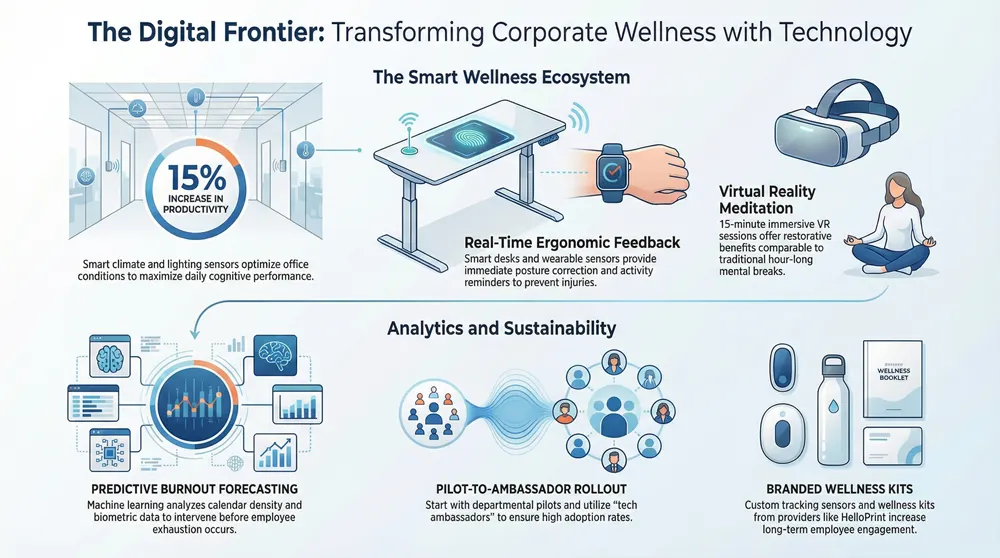
Today’s most effective wellness initiatives integrate seamlessly with existing office technology infrastructure. Environmental sensors monitor air quality, temperature, and lighting levels, automatically adjusting conditions to optimize cognitive performance. Research shows that smart climate control systems can improve productivity by up to 15% by maintaining ideal working conditions throughout the day.
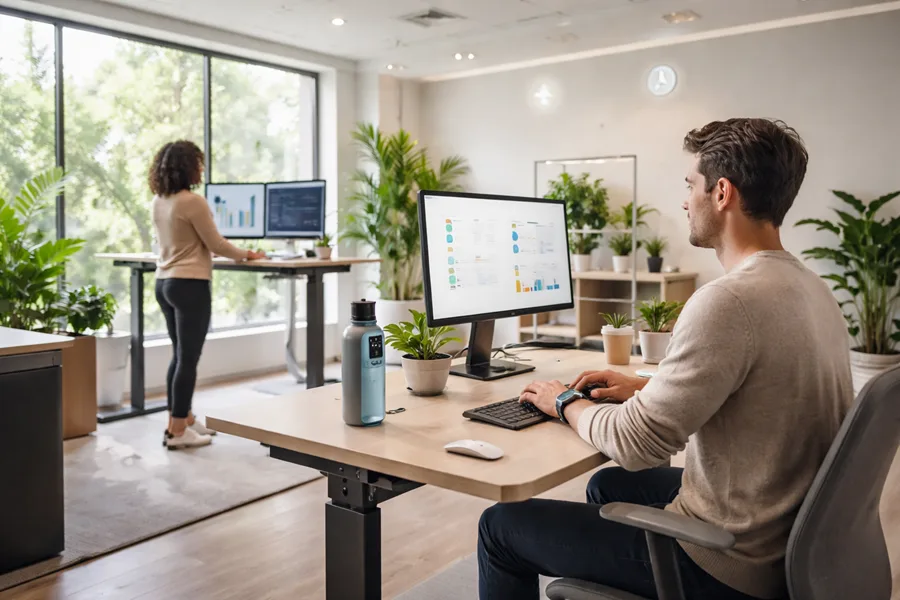
Wearable technology integration represents another breakthrough in workplace wellness. Companies providing employees with fitness trackers or smartwatches can aggregate anonymized health data to identify patterns and optimize wellness initiatives. These devices sync with corporate wellness platforms, gamifying healthy behaviors through team challenges and achievement tracking. When paired with branded accessories like custom water bottles equipped with hydration tracking sensors from providers like HelloPrint, companies create comprehensive wellness ecosystems that employees actually engage with.
Ergonomic technology has evolved far beyond adjustable chairs. Smart desks now feature built-in sensors that remind employees to stand, stretch, or take breaks based on their work patterns. Advanced models even track posture and provide real-time feedback through companion apps, preventing repetitive strain injuries before they occur. Voice-activated height adjustment and memory settings for multiple users make these solutions practical for hot-desking environments.
Digital Wellness Platforms and Mental Health Apps
The integration of mental health technology into office systems has become essential for modern workplaces. AI-powered wellness chatbots provide 24/7 support, offering stress management techniques and connecting employees with resources when needed. These platforms integrate with calendar systems to identify high-stress periods and proactively suggest interventions.
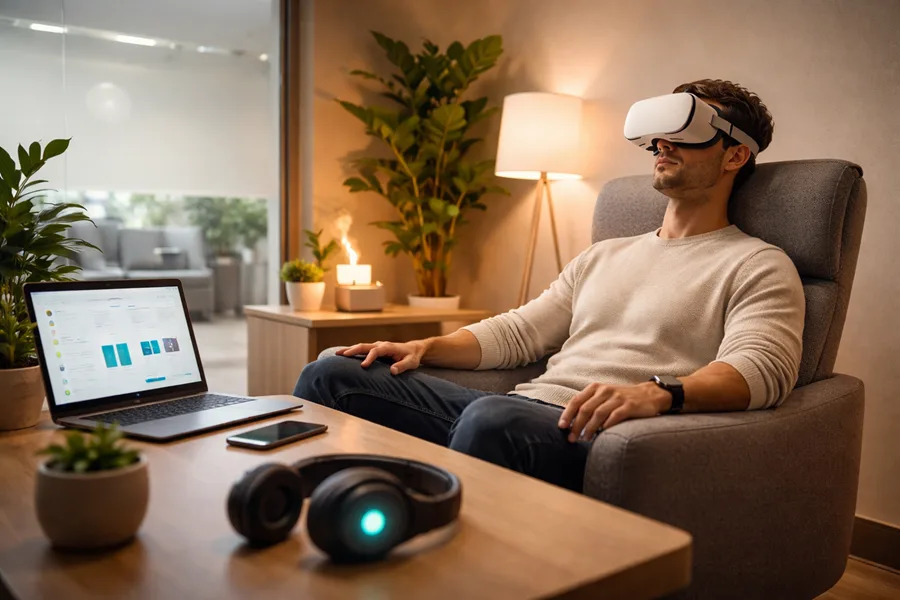
Virtual reality meditation rooms are emerging as powerful wellness tools, allowing employees to take immersive mental breaks without leaving the office. Companies report that 15-minute VR meditation sessions can be as restorative as traditional hour-long breaks, making them perfect for busy professionals. The technology tracks usage patterns and stress reduction metrics, providing HR teams with valuable insights into program effectiveness.
Noise-canceling technology and sound masking systems create optimal acoustic environments for focus and relaxation. Smart headphones with biometric sensors can detect stress levels and automatically adjust noise cancellation or play calming soundscapes, creating personalized wellness experiences for each employee.
Measuring ROI Through Wellness Analytics
Modern wellness technology provides unprecedented visibility into program effectiveness. Integrated dashboards pull data from multiple sources—environmental sensors, wearables, app usage, and company merch in combination with personalized branded promotional drinkware—creating comprehensive wellness scorecards. Machine learning algorithms identify correlations between wellness activities and performance indicators, helping companies optimize their investments.
Predictive analytics can now forecast burnout risk by analyzing patterns in email activity, calendar density, and biometric data. This allows managers to intervene proactively, adjusting workloads or suggesting resources before problems escalate. Companies using these technologies report significant reductions in turnover and sick days.
Implementation Best Practices
Successful technology-driven wellness programs require thoughtful implementation. Start with pilot programs in specific departments, gathering feedback and refining approaches before company-wide rollout. Ensure all wellness technology integrates with existing IT infrastructure and meets data privacy requirements.
Employee training is crucial—even the best wellness technology fails without proper adoption. Create tech ambassadors who can demonstrate features and benefits to colleagues. Regular workshops on new wellness tech features maintain engagement and maximize ROI.
The future of office wellness lies in intelligent, integrated technology solutions that make healthy choices automatic and enjoyable. Companies investing in these technologies today are building more resilient, productive workforces for tomorrow.
How to make the program sustainable in the long term
Treating wellness as a one-time project is a mistake companies often make, but successful wellness programs are long-term commitments with regular employee feedback and changing needs.
A well-informed wellness committee that creates wellness kits with the help of quality product-making companies like HelloPrint should track these activities and gather detailed feedback from employees.
Budget doesn’t have to be a barrier either. Free initiatives like flexible work hours, standing desk options, and healthy snack alternatives in vending machines cost little but show employees their wellbeing matters.