

Copier Lease vs Purchase: Which is Best for Your Business?

Copier Lease vs Purchase
Office equipment plays a critical role in the smooth operation of any business. Among these, copiers are indispensable for managing documents and maintaining workflow efficiency. As businesses grow, the decision to lease or purchase a copier becomes a significant consideration.
This article aims to delve into the pros and cons of copier leasing versus purchasing, providing insights to help you make an informed decision that aligns with your business needs.
Understanding Copier Leasing
What is a Copier Lease?
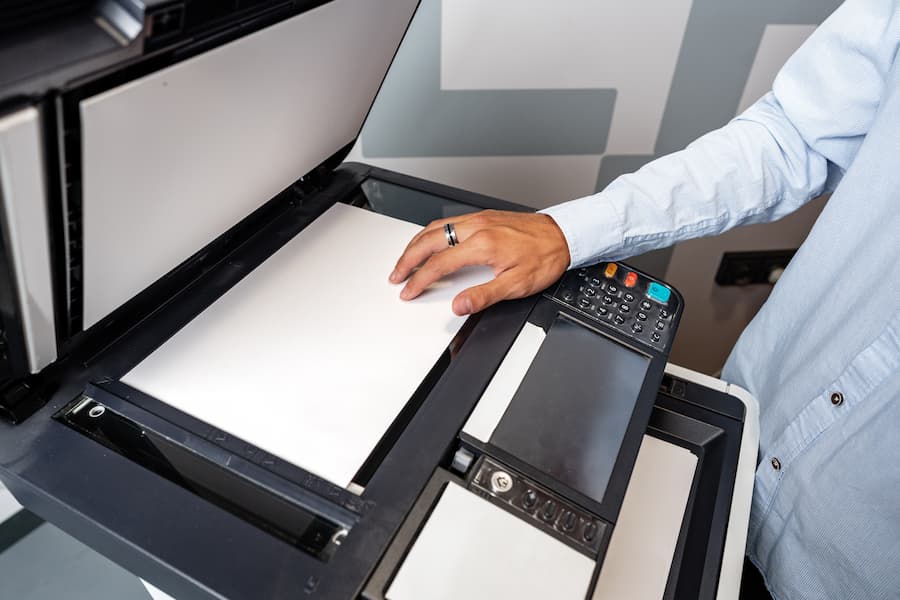
Copier leasing is a financial arrangement where a business rents a copier from a leasing company for a specified period. Unlike purchasing, leasing allows businesses to use the equipment without owning it outright. This arrangement can be beneficial for companies that prefer to avoid the high upfront costs associated with buying new equipment.
Different Types of Copier Leases:
- Operating Leases: These are short-term leases where the lessee returns the copier at the end of the lease period. They are considered off-balance-sheet financing.
- Capital Leases: Also known as finance leases, these are long-term and are treated more like a loan. The lessee has the option to purchase the copier at the end of the lease term.
Benefits of Leasing a Copier
Leasing a copier offers several advantages that can be particularly appealing to businesses of various sizes:
- Cost-Effective Solutions: Leasing can be more affordable than purchasing, especially for small businesses with limited capital.
- Flexibility and Upgrade Options: Leases often include the option to upgrade to newer models, ensuring that businesses have access to the latest technology.
- Lower Upfront Costs: Leasing eliminates the need for large initial expenditures, preserving cash flow for other business needs.
- Improved Cash Flow Management: Predictable monthly payments make budgeting easier and help manage cash flow more effectively.
Copier Leasing Costs and Terms
Understanding the costs and terms associated with copier leasing is crucial for making an informed decision. Several factors influence the cost of leasing a copier, including the model, lease duration, and additional services.
Factors Influencing Leasing Costs:
- Model and Features: High-end copiers with advanced features cost more to lease.
- Lease Duration: Longer leases typically have lower monthly payments.
- Service and Maintenance: Some leases include maintenance and repair services, which can affect the overall cost.
Typical Lease Terms:
- Duration: Lease terms commonly range from 12 to 60 months.
- Rates: Interest rates can vary based on the leasing company and the lessee’s credit rating.
- Monthly Payments vs. Upfront Costs: Leases spread the cost over time, with monthly payments that are easier to manage than a large initial purchase price.
- Hidden Costs: Be aware of potential hidden costs, such as fees for early termination, excess usage, or equipment return.
Comparing Copier Lease vs. Purchase
Deciding whether to lease or purchase a copier involves weighing several factors, including initial costs, long-term expenses, and maintenance responsibilities.

Initial Costs and Ongoing Expenses:
- Leasing: Lower upfront costs, with predictable monthly payments.
- Purchasing: Higher initial expenditure but no ongoing lease payments.
Maintenance and Repair Responsibilities:
- Leasing: Often includes maintenance and repair services.
- Purchasing: Owner is responsible for all maintenance and repair costs.
Long-Term Financial Implications:
- Leasing: May cost more over the long term due to continuous payments.
- Purchasing: Potentially cheaper in the long run, especially if the equipment is used for many years.
Tax Benefits and Considerations:
- Leasing: Lease payments can be deducted as a business expense.
- Purchasing: Depreciation of the copier can be claimed as a tax deduction.
Key Elements of a Copier Lease Agreement
Important Clauses in a Lease Agreement
A copier lease agreement contains several critical clauses that define the terms and conditions of the lease.
Key Clauses to Consider:
- Lease Term and Renewal Options: Specifies the duration of the lease and any options for renewal.
- Monthly Payments and Interest Rates: Details the payment schedule and any applicable interest rates.
- Conditions for Early Termination: Outlines the penalties or fees for terminating the lease early.
- Responsibilities for Maintenance and Repairs: Defines who is responsible for maintaining and repairing the copier.
How to Negotiate a Copier Lease
Negotiating a copier lease can help secure better terms and save money. Here are some tips to get the best deal:
- Understand and Leverage Lease Terms: Familiarize yourself with standard lease terms and conditions.
- Work with Leasing Companies: Build relationships with multiple leasing companies to compare offers.
- Review and Understand the Agreement: Carefully read the lease agreement to identify any unfavorable terms or hidden fees.
Common Copier Lease Options
There are several leasing options available, each catering to different business needs.
Flexible Copier Lease Options:
- Short-Term Leases: Ideal for businesses with temporary or fluctuating needs.
- Longer Lease Terms: Offer lower monthly payments but may lock you into outdated technology.
Specialized Lease Options:
- Xerox and Commercial Copiers:Xerox copiers are designed to leases tailored for high-volume or specialized requirements.
Regional Considerations:
- Arizona Copier Leases: Local leasing companies may offer region-specific deals and services.
Choosing the Right Copier for Your Business
Assessing Your Business Needs
Selecting the right copier begins with a thorough assessment of your business requirements.
Evaluating Copying/Printing Volume:
- Current and Projected Volume: Understand your current usage and anticipate future needs.
Specific Functionalities Required:
- Multi-Functionality: Consider if you need additional functions like scanning, faxing, or emailing.
Scalability and Future Needs:
- Growth Plans: Choose a copier that can scale with your business.
Types of Copiers and Printers
Copiers come in various types, each suited to different business needs.
Overview of Different Copier Types:
- Analog vs. Digital Copiers: Digital copiers offer better quality and more features.
- Color vs. Black and White: Depending on your business needs, color copiers might be essential.
Pros and Cons of Various Models:
- Basic Models: Lower cost but fewer features.
- Advanced Models: Higher cost but more features and better performance.
Considerations for Multi-Function Copiers:
- All-in-One Devices: These can perform multiple tasks, saving space and money.
Factors to Consider When Leasing
When leasing a copier, it’s essential to consider various factors to ensure you get the best deal.
Copier Lease Options Available:
- Lease Terms and Conditions: Understand what each lease option entails.
- Key Features to Look for: Focus on features that align with your business needs.
Comparing Leasing Offers and Leasing Rates:
- Get Multiple Quotes: Compare offers from different leasing companies.
- Evaluate Total Costs: Consider all costs, including hidden fees and maintenance charges.
Practical Aspects of Copier Leasing
Managing Copier Lease Payments
Managing lease payments effectively is crucial for maintaining healthy cash flow and ensuring your business reaps the full benefits of leasing.
Calculating Monthly Lease Payments:
- Factors Affecting Payment Amounts: Lease term, copier model, interest rates, and additional services.
- Budgeting for Lease Payments: Plan your budget to accommodate fixed monthly lease payments.
Managing Costs Throughout the Lease Term:
- Regular Maintenance and Service: Include maintenance costs in your budget to avoid unexpected expenses.
- Usage Monitoring: Track copier usage to prevent overage fees, which can add to monthly costs.
Strategies to Keep Your Copier Costs Down:
- Negotiate Lease Terms: Aim for terms that align with your financial capabilities.
- Consider Leasing Multiple Copiers: Leasing several units from the same provider may offer volume discounts.
End of Lease Considerations
As your lease term comes to an end, it’s important to understand your options and the associated costs.
Options at the End of the Lease Term:
- Returning the Copier: Ensure you meet the return conditions to avoid penalties.
- Upgrading to a Newer Model: Leasing a new model can provide access to advanced technology without significant upfront costs.
Costs Associated with the End of the Lease:
- Return Fees: Some leases include fees for returning equipment.
- Condition Requirements: Ensure the copier is in good condition to avoid repair charges.
Leasing vs. Buying a Copier
Deciding whether to lease or buy a copier involves considering the advantages and disadvantages of each option.
Advantages and Disadvantages of Leasing:
- Pros:
- Lower initial costs
- Regular upgrades to newer models
- Maintenance often included
- Cons:
- Higher long-term costs
- Continuous monthly payments
- No ownership at the end of the lease
Advantages and Disadvantages of Buying:
- Pros:
- Full ownership of the equipment
- Potentially lower long-term costs
- No ongoing lease payments
- Cons:
- High upfront cost
- Responsibility for maintenance and repairs
- Risk of technological obsolescence
Cost Comparison and Financial Analysis:
- Leasing: Break down monthly payments, including any additional fees.
- Purchasing: Compare total purchase cost plus maintenance over the expected lifespan.
Office Copier Rental Options
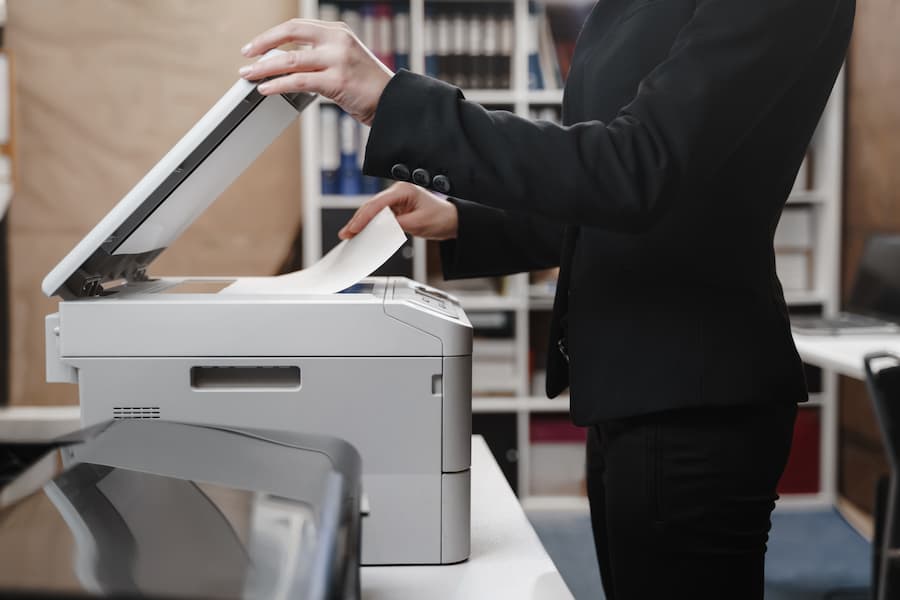
Short-term vs. Long-term Rentals
Understanding the difference between short-term and long-term rentals can help businesses make the best choice based on their needs.
When to Consider a Rental Over a Lease:
- Temporary Needs: Ideal for short-term projects or events.
- Uncertain Future: Businesses unsure of future needs may benefit from the flexibility of rentals.
Pros and Cons of Renting a Copier:
- Pros:
- Flexibility
- No long-term commitment
- Lower upfront costs
- Cons:
- Higher monthly costs
- Limited options for customization
- No ownership
Cost Implications of Rental Agreements:
- Higher Monthly Rates: Rentals often cost more per month than leases.
- No Investment Value: Renting does not contribute to asset ownership.
Commercial Copier Leasing
Commercial copier leasing offers specialized options tailored to businesses with high-volume or specific needs.
Specialized Leasing Options for Commercial Use:
- High-Volume Copiers: Designed for businesses with substantial printing needs.
- Customizable Features: Options to add or modify features based on business requirements.
Benefits of Commercial Copier Leases:
- Scalability: Leases can be scaled up or down based on business growth.
- Service and Support: Often includes robust service agreements for maintenance and repairs.
How to Find Reliable Leasing Companies:
- Research and Reviews: Look for companies with positive reviews and a solid reputation.
- Ask for Recommendations: Get referrals from other businesses in your industry.
Regional Leasing Considerations
Certain regions may offer specific leasing deals and services that can be advantageous for local businesses.
Specific Market Insights:
- Arizona Copier Leases: Unique offers and conditions specific to the Arizona market.
- Florida Copier Leases: Tailored options for businesses in Florida, considering local market dynamics.
Regional Leasing Companies and Offers:
- Local Expertise: Leasing companies with local market knowledge can offer better deals and services.
- Legal and Tax Considerations by Region: Understand the regional legal and tax implications of leasing.
What People May Also Ask
How much does it cost to lease a copier?
Costs vary based on the model, lease term, and included services. On average, leases can range from $100 to $500 per month.
What is included in a copier lease agreement?
Typically includes the copier, maintenance services, and sometimes consumables like toner and paper.
What happens at the end of a copier lease?
Options include returning the copier, upgrading to a new model, or purchasing the copier at a residual price.
What should I look for in a copier lease agreement?
Key clauses include lease term, payment schedule, maintenance responsibilities, and early termination conditions.
What are the costs associated with leasing a copier?
Monthly lease payments, potential overage fees, and costs for returning or purchasing the copier at the end of the lease.
Final Considerations and SummaryConclusion
In this comprehensive guide, we’ve explored the ins and outs of copier leasing versus purchasing. From understanding the basics of leasing, managing payments, and evaluating end-of-lease options, to comparing the financial implications of leasing and buying, we’ve covered all the essential aspects.
By assessing your business needs, understanding the costs and terms, and considering regional options, you can make an informed decision that best suits your business.