


Printed Posters: A Simple Way to Energize Your Workspace

Creating a dynamic workspace can significantly influence productivity and creativity. The right decorative elements, like printed posters, can contribute to an inspiring environment. These visual aids can express personality, inspire creativity, and encourage a sense of belonging. This article will explore various aspects of using printed posters to invigorate your workspace, from selecting themes to optimizing file quality for printing.
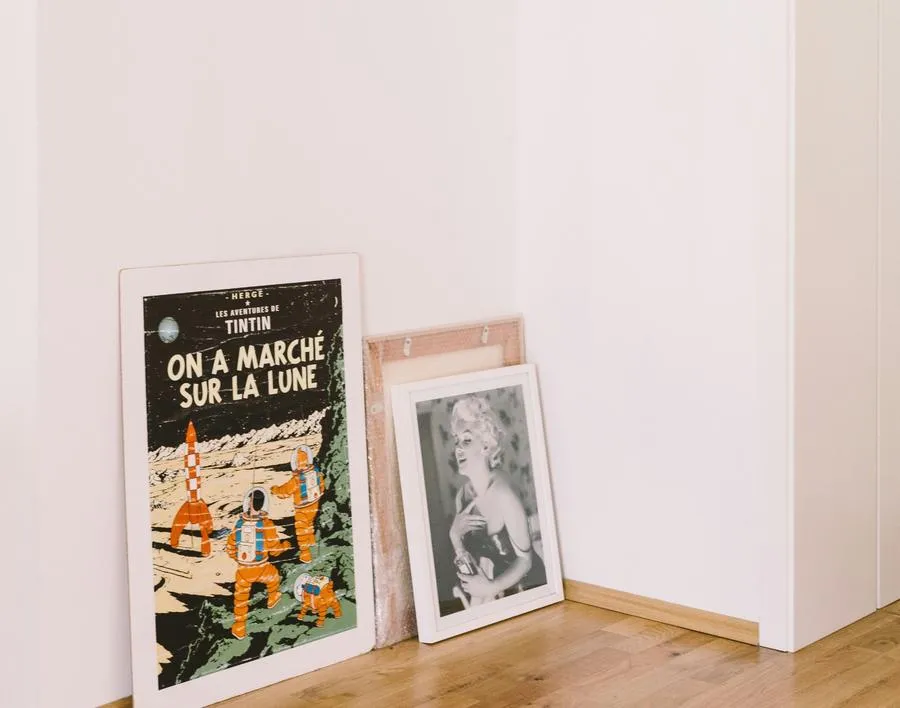
Choosing the Right Theme for Your Posters
The theme of your posters plays a critical role in setting the atmosphere of your workspace. It’s important to select themes that reflect your interests or the values of your brand. Whether it’s motivational quotes, abstract art, or nature imagery, each theme conveys different messages. Motivational quotes can spark enthusiasm, while abstract art evaluates creativity and opens up different perspectives.
Identify the emotions or reactions you want your workspace to elicit. Do you aim for a calming effect, or do you prefer something stimulating? Evaluating your objectives can help narrow down your choices. Once you have a theme in mind, search for artwork or quotes that resonate with you. Popular online marketplaces offer a broad array of print-ready designs to suit diverse tastes.
Enhancing File Resolution
When creating or selecting images for your posters, file resolution is critical for maintaining quality. The best resolution for printing can depend on your file size. A higher resolution typically translates to a clearer and more detailed image in print. For standard poster sizes, an image resolution of 300 DPI (dots per inch) is recommended to ensure sharpness.
It’s beneficial to avoid enlarging smaller images, as this can lead to pixelation, making the image appear blurry or distorted. Use images that are genuinely high resolution or vector-based graphics, which can scale without losing quality. Tools and software are available that can help assess the resolution adequacy for printing. Being meticulous in this area guarantees that the visual impact is maximized.
Choosing the Right Materials for Printing
The material you choose for printing your posters can significantly affect the final presentation. Paper type is vital; options range from standard poster paper to premium photo paper. High-quality paper enhances the colors and look of the poster, elevating its impact. Matte finishes offer a subtle elegance, while glossy surfaces bring out vibrancy. Think about where the posters will be displayed; outdoor locations might require weather-resistant materials.
Another material to think about is canvas. Printed posters on canvas can provide a 3D effect, making the artwork pop. Temporal exhibitions might benefit from lightweight vinyl options, allowing for easy portability. Assess your environment and choose materials that resonate with your workspace design.
Fabric materials are becoming increasingly popular for their durability and foldability for trade shows or portable displays. They offer a wrinkle-resistant surface that maintains visual quality. If sustainability is a priority, recycled or eco-friendly papers are widely available and perform well for indoor use.
The thickness or weight of the material, measured in GSM (grams per square meter), affects durability and feel; heavier stock tends to convey a more premium appearance. The right material supports the poster’s purpose and reinforces your brand or message through texture and quality.
Placement Strategies: Creating a Cohesive Look
The placement of your printed posters is just as important as the themes and materials chosen. A cohesive look often requires planning the layout. An effective way to create visual harmony is to arrange posters in groups rather than haphazardly scattering them across the walls. You may choose to create a gallery wall to display a combination of sizes and themes that complement each other.
Think about using a unifying element such as color, frame style, or spacing to tie the collection together. Consistency across these aspects will provide a more intentional design and create a smoother flow throughout the workspace. Continuous engagement with your surroundings will elevate your mood and keep your workspace dynamic.
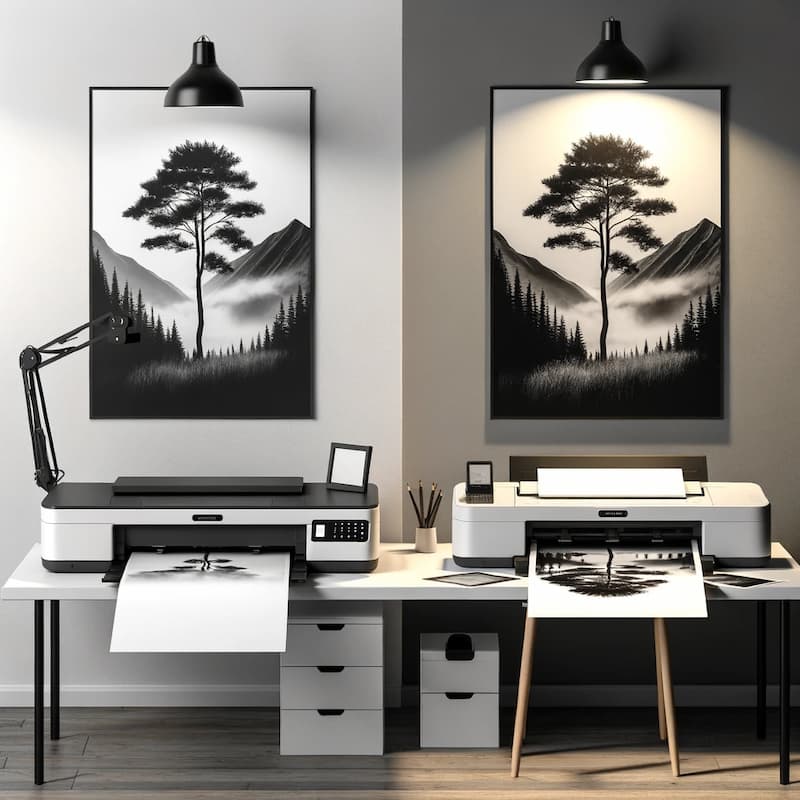
Lighting plays an important role in enhancing the visibility and impact of your poster arrangement. Natural light can highlight textures and colors, while targeted lighting, like spotlights or LED strips, can draw attention to key pieces.
Don’t overlook the importance of vertical alignment; keeping poster centers at eye level ensures better readability and visual comfort. If your space changes frequently, think about using removable adhesive strips or modular display systems for flexibility. Thoughtful placement turns your posters from mere decorations into an integrated part of your workspace’s atmosphere and identity.
Lighting Considerations for Poster Display
Lighting plays a vital role in how your printed posters are perceived. Proper illumination can bring out colors and make designs more vibrant and eye-catching. Natural light is always preferable, but it might be challenging to control throughout the day. Use adjustable lighting options, such as LED strip lights or soft spotlights, to highlight your posters effectively.
Be cautious with direct sunlight, as it could fade the colors. If necessary, utilize UV-protective glass in frames to maintain print quality. Combining various light sources will add depth and dimension, further elevating the aesthetic of your workspace.
The temperature of the light, whether warm, cool, or neutral, can influence the mood and tone of your display. Cooler lighting tends to enhance sharpness and contrast, making detailed designs pop, while warmer tones create a cozier, more inviting atmosphere.
For creative environments, color-changing LEDs can offer flexibility and allow for mood-based adjustments. It’s helpful to test how different lighting setups interact with finishes like gloss or matte, as glare can either enhance or hinder visibility. Thoughtful lighting ensures your posters are seen and enhances their emotional and visual impact.

Refreshing Posters Regularly to Maintain Interest
To keep your workspace feeling fresh, think about rotating your posters regularly. Frequent changes can stimulate creativity and motivation by offering new visual stimuli. Rotating themes, styles, or even quotes keeps the environment dynamic and engaging. Set a schedule for when you’ll update the posters to create periodic changes without overwhelming yourself.
Seasonal themes align with the time of year; for instance, nature-inspired designs in spring and autumn hues during the fall. Connecting posters to company goals or current projects may promote a sense of relevance and purpose. This cycle of refreshment ensures that the decor remains a source of inspiration.
Printed posters serve as a powerful tool to energize your workspace. By selecting the right themes, materials, and placements, you create an environment that fosters creativity and productivity. Attention to detail, particularly in aspects such as file resolution, enhances the quality of your prints. Strategically updating your posters can keep your workplace invigorating and engaging for everyone involved.