

Enhancing Eco-Friendly Printing Through Managed Print Services

When it comes to printing, many businesses overlook the environmental issues associated with traditional practices. In fact, the manufacturing process of printing supplies, like cartridges, contributes to biodiversity loss and waste. This blog post will explore how Managed Print Services (MPS) can significantly reduce paper waste and enhance energy efficiency, leading to a more sustainable printing strategy. By engaging with this content, readers will discover practical ways to address their printing challenges while promoting eco-friendliness and biodegradation in their operations. Implementing MPS can not only solve their printing problems but also contribute to a healthier planet.
Understanding the Environmental Impact of Traditional Printing

The ecological footprint of paper production significantly impacts the environment, with massive amounts of energy consumed in conventional printing processes. Excessive printing generates substantial waste, while the use of ink and toner raises concerns due to their plastic components and the potential environmental harm. Understanding these issues is crucial for businesses looking to innovate and adopt eco-friendly practices through Managed Print Services.
The Ecological Footprint of Paper Production
The ecological footprint of paper production is significant, as it involves extensive use of resources and energy. In the process of creating paper, businesses often overlook the role of agricultural waste, such as the cellulose from crops, which could be recycled or repurposed. By adopting sustainable practices through managed print services, companies can enhance productivity while minimizing their footprint, opting for inks that are less harmful to the environment and utilizing paper sourced from sustainable forests.
Energy Consumption in Conventional Printers
Conventional printers are often energy-intensive, contributing to significant energy consumption and, consequently, air pollution. The production of ink and pulp for printing involves extensive use of wood and other resources, which can strain forests and ecosystems. By shifting to managed print services, businesses can drastically reduce their energy footprint through optimized printing practices and the use of energy-efficient devices, aligning with sustainable development goals while minimizing environmental impact.
Waste Generated From Excessive Printing
Excessive printing generates significant waste, contributing to carbon emissions throughout the supply chain. Each ton of paper produced involves considerable amounts of toner and ink, which are often derived from non-renewable resources, creating a burden on the environment. By adopting managed print services, businesses can reduce waste through smarter printing practices, such as duplex printing and optimized document management, thereby enhancing sustainability and minimizing their ecological footprint.
Environmental Concerns With Ink and Toner Use
The environmental concerns associated with ink and toner use are significant, as these substances often contribute to greenhouse gas emissions and habitat degradation. Many inks contain harmful chemicals that can pose risks to both the environment and human health. By focusing on efficiency in printing practices and prioritizing the use of recycled materials, businesses can enhance their sustainable energy initiatives and reduce their overall environmental impact. Managed print services can play a crucial role in guiding companies toward eco-friendly alternatives, ensuring responsible disposal and recycling of ink cartridges while promoting greener operational practices.
The Role of Managed Print Services in Sustainability

Managed Print Services (MPS) provide businesses with structured solutions to optimize printing and document management systems, aligning their practices with environmental protection goals. This section will explore the benefits of MPS for eco-friendly initiatives, including reduced waste and enhanced efficiency, as well as highlight real-world examples of sustainable MPS implementation that effectively manage ink cartridges and other resources, benefiting both consumers and the environment.
Defining Managed Print Services
Managed Print Services (MPS) encompass comprehensive solutions designed to optimize printing processes and document management systems within organizations. By focusing on resource efficiency, MPS helps businesses significantly reduce waste, including problematic materials like toner cartridges. Additionally, MPS often promotes initiatives aligned with the Forest Stewardship Council, ensuring that paper usage supports sustainable forestry practices and minimizes the overall energy consumed in printing operations.
Aligning Printing Practices With Environmental Goals
Aligning printing practices with environmental goals is essential for businesses looking to enhance their corporate social responsibility and reduce their carbon footprint. By implementing managed print services, organizations can streamline their printing processes, opting for more efficient technologies that minimize waste and energy use. These practices not only combat deforestation by promoting sustainable paper sourcing but also contribute to a healthier climate by reducing unnecessary printing and encouraging digital alternatives, such as sending documents via email instead of using envelopes.
Benefits of MPS for Eco-Friendly Initiatives
Managed Print Services (MPS) offer substantial benefits for eco-friendly initiatives, significantly reducing pollution and promoting energy conservation. By integrating solutions that prioritize digital printing over traditional offset printing, businesses can lower their overall consumption of resources, including paper and ink. MPS facilitates a streamlined approach to printing, enabling companies to minimize waste and implement practices that support sustainability, ultimately contributing to a healthier planet.
Real-World Examples of Sustainable MPS Implementation
Many organizations have successfully implemented Managed Print Services (MPS) to adopt more environmentally friendly printing practices. For instance, a publishing company reduced its reliance on traditional ink by switching to soy ink for paperback production, significantly decreasing harmful emissions and maximizing the use of recyclable materials. Additionally, companies utilizing inkjet printing technology have reported decreased landfill contributions by adopting a print-on-demand model, effectively managing paper waste while enhancing print quality and efficiency.
Reducing Paper Waste Through Managed Print Services

Implementing digital document solutions is essential in reducing paper waste through Managed Print Services. By optimizing print settings and encouraging duplex and multi-page printing, businesses can significantly minimize their consumption. Additionally, promoting a culture of conscious printing fosters accountability among employees, aligning efforts with broader climate change policies and supporting renewable energy initiatives, such as using soybean-based inks in printing infrastructure.
Implementing Digital Document Solutions
Implementing digital document solutions is a key strategy for reducing paper waste through Managed Print Services. By shifting to a print-on-demand approach, businesses can minimize excess printing, effectively managing their fiber consumption and contributing to lower greenhouse gas emissions. Additionally, using Energy Star certified printers ensures that companies leverage energy-efficient technology, further enhancing their commitment to sustainable practices while addressing the growing demand for eco-friendly operations.
Optimizing Print Settings to Minimize Usage
Optimizing print settings is essential for organizations aiming to minimize paper usage and enhance eco-friendly practices through Managed Print Services. By adjusting default settings to duplex printing and selecting draft mode for less critical documents, businesses can significantly reduce their paper consumption. Additionally, promoting a paperless office culture encourages employees to consider digital alternatives, further supporting sustainable packaging and waste reduction efforts, such as composting discarded paper when printing is necessary.
Encouraging Duplex and Multi-Page Printing
Encouraging duplex and multi-page printing is a practical way for businesses to dramatically reduce paper waste and enhance eco-friendly printing practices. By configuring printers to default to double-sided output, organizations can significantly minimize their paper consumption without sacrificing productivity. Those interested in implementing such sustainable practices can Contact Us for tailored solutions that align with their operational needs while promoting responsible resource management.
Promoting a Culture of Conscious Printing
Promoting a culture of conscious printing is essential for businesses aiming to minimize paper waste through Managed Print Services. By encouraging employees to be mindful of their printing habits, organizations can foster an environment where digital alternatives are prioritized, reducing unnecessary physical documents. Implementing training sessions and clear guidelines on sustainable printing practices not only raises awareness but also helps employees understand the impact of their choices, driving significant reductions in overall print volume and contributing to broader eco-friendly initiatives.
Enhancing Energy Efficiency With Managed Print Services
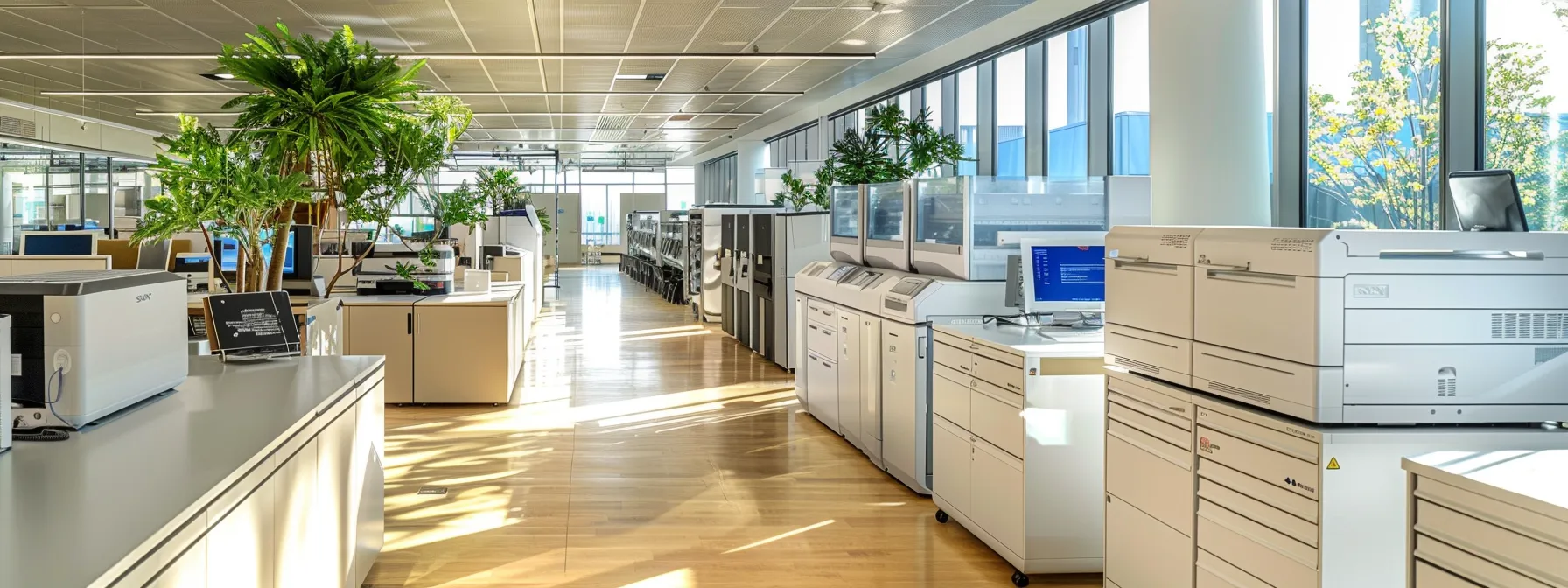
Choosing energy-efficient printing devices is crucial in enhancing eco-friendly printing practices. Additionally, utilizing power-saving features and centralizing print operations helps reduce overall energy consumption. Monitoring energy usage with Managed Print Services (MPS) tools supports businesses in identifying areas for improvement. These strategies together create a more sustainable printing environment and demonstrate a commitment to environmental responsibility.
Choosing Energy-Efficient Printing Devices
Choosing energy-efficient printing devices is essential for businesses aiming to enhance their eco-friendly printing practices through Managed Print Services. These devices often come with Energy Star certifications, which indicate their compliance with strict energy efficiency guidelines. By opting for such printers, organizations can significantly lower their energy consumption, ultimately contributing to reduced operational costs and a smaller carbon footprint.
Utilizing Power-Saving Features
Utilizing power-saving features in printers is an effective way for businesses to enhance energy efficiency through Managed Print Services. By enabling settings such as sleep mode and automatic shutoff, organizations can significantly lower energy consumption when devices are not in use. This not only reduces operational costs but also aligns with eco-friendly goals, demonstrating a commitment to sustainability in daily printing practices.
Centralizing Print Operations for Reduced Energy Use
Centralizing print operations is a strategic approach that can significantly reduce energy use in organizations. By consolidating printers in designated areas rather than allowing individual devices in every office, businesses can decrease overall power consumption and improve efficiency. This not only minimizes the total energy footprint but also streamlines supply management and maintenance, ensuring that resources are utilized more effectively and environmentally friendly practices are prioritized.
Monitoring Energy Consumption With MPS Tools
Monitoring energy consumption with Managed Print Services (MPS) tools is essential for organizations striving to enhance eco-friendly printing practices. These tools provide detailed insights into energy usage patterns, enabling businesses to identify inefficiencies and implement strategies for improvement. By utilizing MPS solutions, companies can optimize their print environments, significantly lowering energy costs while contributing to a greener operational footprint.
Adopting Sustainable Printing Materials and Supplies

Adopting sustainable printing materials and supplies is crucial for enhancing eco-friendly printing through Managed Print Services. This includes selecting recycled or certified paper products, using eco-conscious inks and toners, recycling and properly disposing of printing waste, and sourcing supplies from sustainable vendors. Each of these factors contributes to reducing the environmental impact of printing processes while supporting responsible resource management.
Selecting Recycled or Certified Paper Products
Selecting recycled or certified paper products is a key component of adopting sustainable printing materials and supplies. Businesses can significantly reduce their ecological footprint by opting for paper that is sourced from responsibly managed forests or made from recycled materials. This practice not only conserves natural resources but also enhances the company’s commitment to environmental responsibility, promoting a positive image among clients and stakeholders. By integrating these options into their printing processes, organizations can effectively support eco-friendly initiatives while optimizing their resource management through Managed Print Services.
Using Eco-Conscious Inks and Toners
Using eco-conscious inks and toners is a critical aspect of enhancing eco-friendly printing through Managed Print Services. These sustainable alternatives often consist of plant-based materials and significantly reduce harmful chemicals associated with traditional inks, contributing to lower environmental impact. By prioritizing eco-conscious options, businesses not only align their printing practices with sustainability goals but also create a healthier workspace for employees and their communities.
Recycling and Proper Disposal of Printing Waste
Recycling and proper disposal of printing waste play a crucial role in enhancing eco-friendly printing practices through Managed Print Services. Many businesses overlook the environmental impact of used paper, ink cartridges, and toners. By implementing recycling programs and collaborating with certified disposal services, companies can ensure that their printing waste is handled responsibly, reducing landfill contributions and promoting a more sustainable approach to office operations.
Sourcing Supplies From Sustainable Vendors
Sourcing supplies from sustainable vendors is a critical step in enhancing eco-friendly printing through Managed Print Services. Businesses can significantly reduce their environmental impact by partnering with vendors who prioritize recycled materials and sustainable production practices. For example, choosing suppliers that offer certified paper products and eco-conscious inks helps organizations align their purchasing decisions with their sustainability goals, ultimately fostering a greener operational framework while meeting the growing demand for responsible business practices.
Measuring and Improving Eco-Friendly Outcomes With MPS

Measuring and improving eco-friendly outcomes with Managed Print Services (MPS) involves tracking environmental metrics and performance. Businesses can set and achieve sustainability targets while reporting progress to stakeholders. Continuous enhancement of green printing practices ensures that organizations remain accountable and committed to reducing their environmental impact, fostering a culture of sustainability that aligns with their broader goals.
Tracking Environmental Metrics and Performance
Tracking environmental metrics and performance is essential for businesses utilizing Managed Print Services (MPS) to enhance eco-friendly printing practices. By measuring key indicators such as paper usage, energy consumption, and waste output, organizations can identify areas for improvement and set meaningful sustainability targets. This data-driven approach not only helps companies understand their environmental impact but also enables them to report progress transparently to stakeholders, reinforcing their commitment to sustainable business practices.
Setting and Achieving Sustainability Targets
Setting and achieving sustainability targets is vital for businesses aiming to enhance eco-friendly printing through Managed Print Services (MPS). Organizations can establish clear, measurable goals related to reducing paper consumption and energy usage, fostering accountability within teams. By regularly monitoring progress against these targets, companies can make informed adjustments to their printing practices, ensuring continuous improvement in their environmental impact and reinforcing their commitment to sustainable development.
Reporting Progress to Stakeholders
Reporting progress to stakeholders is a critical component of managing eco-friendly printing initiatives through Managed Print Services (MPS). By providing transparent data on reductions in paper usage, energy consumption, and waste generation, businesses can demonstrate their commitment to sustainability. This open communication not only builds trust with stakeholders but also encourages continuous improvement, as companies can refine their practices based on feedback and measurable outcomes from their MPS efforts.
Continuous Enhancement of Green Printing Practices
Continuous enhancement of green printing practices through Managed Print Services (MPS) involves regularly reviewing and refining existing processes to maximize eco-efficiency. Businesses can utilize performance data from MPS to identify patterns and areas needing improvement, such as excessive paper usage or energy consumption. By fostering a culture of sustainability within the organization, companies encourage employees to adopt greener practices, ultimately leading to reduced environmental impact and cost savings.
Conclusion
Enhancing eco-friendly printing through Managed Print Services (MPS) is essential for businesses committed to sustainability and resource efficiency. By adopting digital solutions, optimizing print settings, and selecting sustainable materials, organizations can significantly reduce their environmental footprint. Tracking performance metrics and continually improving practices further strengthens their commitment to eco-friendly initiatives. Embracing MPS not only contributes to a healthier planet but also fosters a culture of responsibility that resonates with clients and stakeholders alike.