


Flexible Workspaces: Transforming Traditional Offices into Dynamic Environments

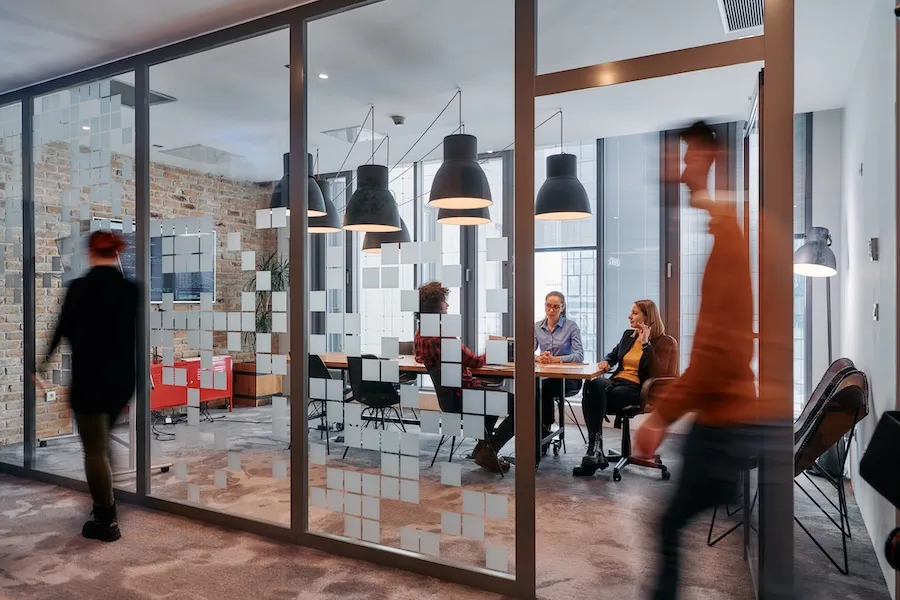
The office, once a rigid and predictable space, has undergone a transformation. The cubicle farms of the past? They’re fading. The era of static desks and fixed schedules? Becoming obsolete. Instead, we see the rise of flexible workspaces—environments that adapt, shift, and evolve with the needs of modern professionals. But what’s driving this change? And more importantly, how is it reshaping the way we work?
The Decline of Traditional Office Structures
Decades ago, the office was a place of structure, hierarchy, and routine. Employees clocked in at 9 AM, sat at the same desk, and performed tasks in a regimented manner. This model, while effective in some ways, often stifled creativity, collaboration, and overall job satisfaction.
Then, the world changed. The COVID-19 pandemic accelerated remote work, digital tools became more powerful, and companies realized: people don’t need to be tethered to one spot to be productive. The global workforce demanded flexibility—and businesses had to listen.
What Are Flexible Workspaces?
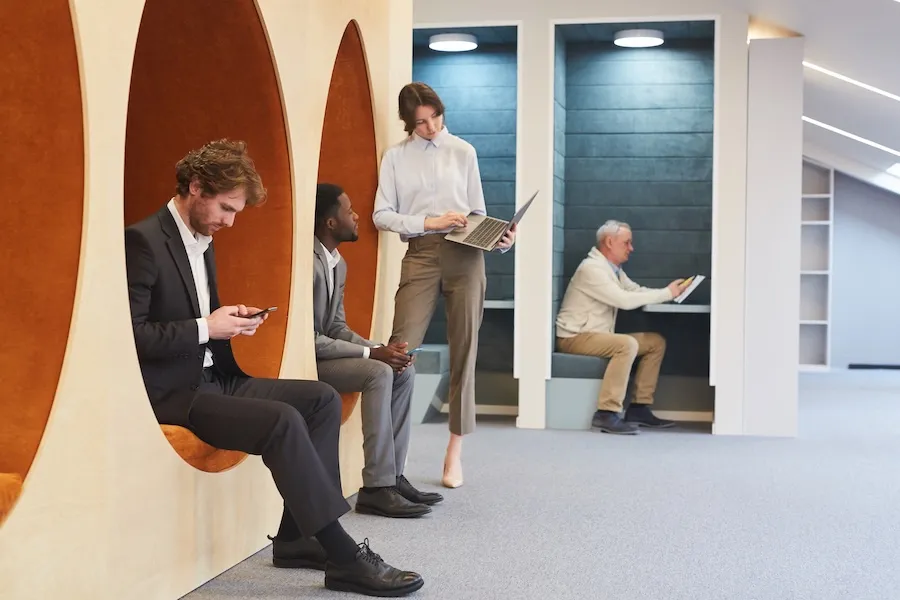
A flexible workspace is not just an open office plan. It’s a philosophy—one that prioritizes mobility, adaptability, and worker autonomy. These spaces come in many forms:
- Hot desking – No assigned seats. Employees choose their spot daily.
- Co-working spaces – Shared environments used by different businesses or freelancers.
- Activity-based workspaces – Different zones for different tasks—quiet areas, collaboration hubs, private booths.
- Hybrid setups – Employees split their time between home and office.
This shift is monumental. In 2023, a study by CBRE found that 73% of companies planned to implement some form of flexible workspace to accommodate hybrid work models. Another report from IWG (International Workplace Group) revealed that 85% of businesses believe flexibility improves productivity.
Why Businesses Are Making the Switch
Traditional and digital offices are the same as paper books and online novels. You can see tens of thousands of free novels online, as well as access to hundreds of office software in a digital environment. You can also read novels online on platforms like FictionMe without time or duration restrictions, as well as work in a digital office at any time of the day. With the ability to read free novels online without being tied to a location, there are no travel costs, no office-library maintenance. In short, novels online are a cost-effective, convenient and flexible concept, just like a digital office. All this is the complete opposite of a traditional office and paper books.
1. Cost Efficiency: Reducing Overhead Without Sacrificing Productivity
Commercial real estate is one of the biggest expenses for businesses. Office space leases, maintenance, utilities, and property management add up quickly. Traditional setups often lead to underutilized space, as employees may not need their desks every day, especially with remote and hybrid work becoming more common.
A 2022 JLL report found that businesses could reduce real estate costs by up to 30% by implementing flexible workspace strategies. Some of the biggest savings come from:
- Eliminating unnecessary office space – Fewer assigned desks mean companies can downsize their office footprint.
- Adopting co-working memberships – Businesses can rent office space only when needed, rather than committing to long-term leases.
- Reducing maintenance expenses – Smaller office spaces mean lower costs for cleaning, heating, cooling, and upkeep.
As a result, flexible workspaces allow businesses to optimize spending while still providing employees with access to professional, well-equipped environments.
2. Employee Satisfaction & Productivity: A Workforce That Works Smarter
Gone are the days when employees thrived under strict 9-to-5 schedules in isolated cubicles. Today’s workforce values autonomy—the ability to choose where and how they work.
A survey conducted by FlexJobs found that 65% of employees feel more productive in flexible work environments, with key reasons including:
- Fewer distractions – Employees can choose quiet spaces for deep-focus tasks.
- More collaboration opportunities – Open layouts and communal areas foster spontaneous idea-sharing.
- Personalized work settings – Some workers need standing desks, others prefer couches or breakout spaces.
Flexibility enables employees to work in a way that suits their needs, leading to higher engagement, efficiency, and overall job satisfaction.
3. Talent Attraction & Retention: Giving Employees What They Want
If businesses want to attract top talent, they need to offer what professionals are demanding: flexibility.
A study by Buffer found that 94% of workers want the ability to work remotely or in hybrid models. Companies that fail to accommodate these preferences risk losing valuable employees to competitors that do. Younger generations, in particular, prioritize work-life balance and location independence when choosing employers.
Moreover, companies with flexible work policies tend to experience higher retention rates, reducing costly turnover and recruitment expenses. By offering adaptable workspaces, businesses can future-proof their talent strategy.
4. Sustainability: Reducing Environmental Impact
Sustainability is becoming a core business priority, and flexible workspaces contribute to eco-friendly initiatives in several ways:
- Smaller office footprints reduce electricity and water usage.
- Fewer daily commutes mean lower carbon emissions.
- Shared office spaces maximize the efficiency of buildings and resources.
According to a 2023 Deloitte report, 60% of businesses are incorporating sustainability into their real estate decisions. By shifting to flexible workspaces, companies can cut costs while cutting carbon footprints—a win-win for business and the environment.
5. Agility & Business Continuity: Adapting to Change
The COVID-19 pandemic proved one thing: businesses must be prepared for the unexpected. Rigid office structures made it difficult for companies to pivot quickly during the crisis, while those with flexible work policies adapted more easily.
By implementing dynamic workspace solutions, businesses gain:
- Scalability – Companies can adjust space requirements as their workforce grows or shrinks.
- Disaster resilience – Employees can work from different locations if needed.
- Faster response to market changes – Businesses can reallocate resources more efficiently.
Flexible workspaces allow organizations to stay competitive and respond effectively to evolving challenges.
Challenges & Considerations
Of course, it’s not all smooth sailing. Flexible workspaces require careful planning:
- Technology integration – Seamless digital collaboration tools are essential.
- Company culture shifts – Remote and hybrid models require new approaches to team cohesion.
- Security concerns – More mobility means greater risks in data protection.
Organizations need to balance flexibility with structure—providing freedom without chaos.
The Future of Workspaces
The future? It’s fluid. Offices won’t disappear, but they will continue to evolve. Companies embracing change will gain a competitive edge, while those clinging to rigid models risk falling behind.
The traditional office is no longer the default. The dynamic, adaptable workspace is here to stay. Are businesses ready for it? The ones that are will thrive.