



Smart Ways Businesses Are Using External Storage to Manage Seasonal Inventory

Managing seasonal inventory can be a logistical headache for many businesses. Fluctuations in demand require flexible solutions that don’t strain existing warehouse space or inflate operational costs. That’s why more companies are turning to external storage to better handle the ebb and flow of seasonal stock. Whether it’s for holiday merchandise, summer gear, or promotional items, external storage offers a cost-effective, scalable, and efficient way to store inventory when it’s not needed on-site. In this blog post, we’ll explore six smart ways businesses are using external storage to streamline seasonal inventory management and improve operational performance.
Seasonal Overflow Storage
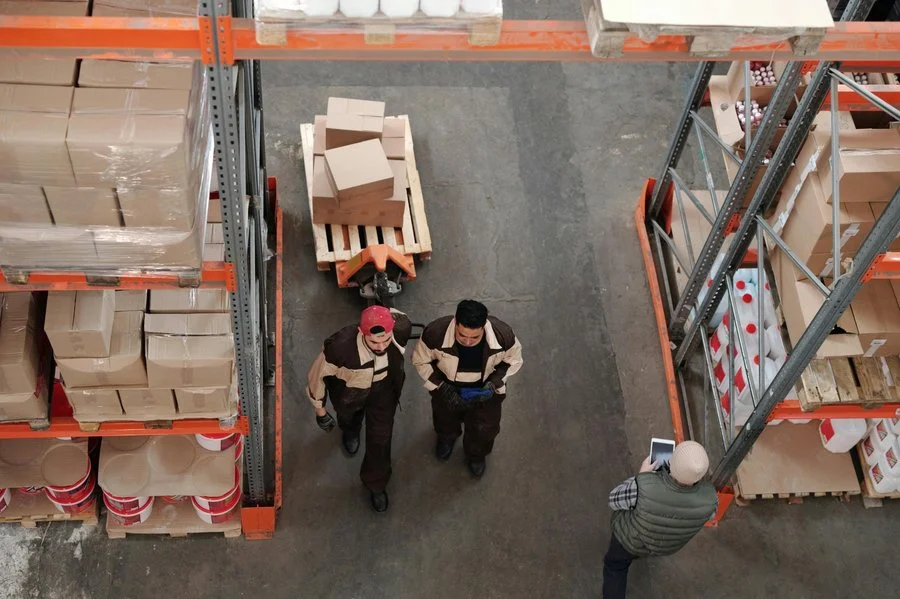
Many businesses experience a spike in inventory during peak seasons, leading to overcrowded warehouses and operational bottlenecks. Using external storage as seasonal overflow space allows companies to free up valuable space in their main warehouse during off-peak months. This approach helps avoid the high cost of expanding permanent facilities or leasing additional warehouse space year-round.
By moving surplus stock to external storage, businesses can keep their core warehouse focused on daily operations and order fulfillment without interruption. Seasonal overflow storage also reduces the risk of damage or misplacement caused by cramped conditions. This smart utilization of external space keeps inventory organized and easily accessible for when demand surges, streamlining warehouse operations and improving efficiency.
Cost Control Through Flexible Contracts
Managing storage costs is crucial for businesses dealing with seasonal inventory, where demand and space needs can vary dramatically throughout the year. Rather than committing to long-term leases or permanent warehouse expansions, many companies opt for flexible storage plans that allow them to adjust space according to their current inventory levels. These flexible plans provide the ability to scale up during peak seasons and scale down when demand decreases, helping to avoid paying for unused space.
This adaptability helps control expenses and reduces financial risk, making it easier for businesses to manage cash flow effectively while keeping storage costs aligned with actual needs.
Pop-Up Retail and Event Storage
Pop-up shops, seasonal markets, and promotional events require quick, flexible inventory solutions. External storage facilities near event locations offer an ideal solution for businesses looking to stock temporary sales channels without committing to long-term leases or large upfront investments.
Companies can stock their pop-up inventory off-site and replenish as needed, allowing for just-in-time delivery and minimizing overstock risks. This approach also simplifies logistics by reducing transportation times and costs. For businesses capitalizing on holiday seasons or special sales periods, external storage near retail hotspots supports rapid response to consumer demand and ensures stock availability without the hassle of permanent infrastructure.
Leveraging Technology for Inventory Management
Modern external storage providers often integrate advanced technology platforms that enable businesses to track and manage their seasonal inventory remotely. Cloud-based inventory management systems, barcode scanning, and real-time reporting allow companies to maintain complete visibility over their stock regardless of location.
This technological integration reduces errors, improves accuracy, and accelerates decision-making. Businesses can monitor stock levels, schedule shipments, and coordinate replenishments seamlessly from their primary operations centers. Enhanced inventory visibility through external storage partners ensures companies can respond promptly to seasonal demand changes and maintain optimal stock availability.
Enhancing Supply Chain Resilience
Relying solely on a single warehouse for all inventory creates vulnerabilities, especially during peak seasons when demand spikes and delivery times tighten. Many businesses are adopting distributed storage strategies by using multiple external storage locations closer to key markets or transportation hubs.
This decentralization reduces the risk of delays caused by congestion or disruptions at one facility and improves delivery speed to customers. By spreading seasonal inventory across different sites, companies can balance stock more effectively and meet regional demand fluctuations. Distributed external storage adds a layer of resilience to supply chains, which is crucial for maintaining customer satisfaction during busy periods.
Environmental Benefits of Optimized Storage
Sustainability has become a priority for many businesses, and external storage can support greener inventory management practices. By avoiding the need to build or lease oversized permanent warehouse space, companies reduce energy consumption and their carbon footprint.
External storage providers increasingly adopt eco-friendly operations such as energy-efficient lighting, climate control systems, and recycling programs. Businesses can benefit from these sustainability initiatives by partnering with storage providers who share their commitment to environmental responsibility. Efficiently managing seasonal inventory with external storage helps minimize waste, reduce excess production, and support broader corporate sustainability goals.
Seasonal inventory management poses unique challenges, but external storage solutions offer versatile and smart ways for businesses to adapt. From seasonal overflow and pop-up retail support to cost control, technology integration, distributed storage, and sustainability benefits, leveraging external storage has become an essential strategy for companies looking to optimize their inventory handling without excessive costs or complexity. As consumer demands continue to fluctuate rapidly, businesses that embrace flexible external storage options will be better positioned to respond effectively, maintain customer satisfaction, and achieve long-term operational success.