
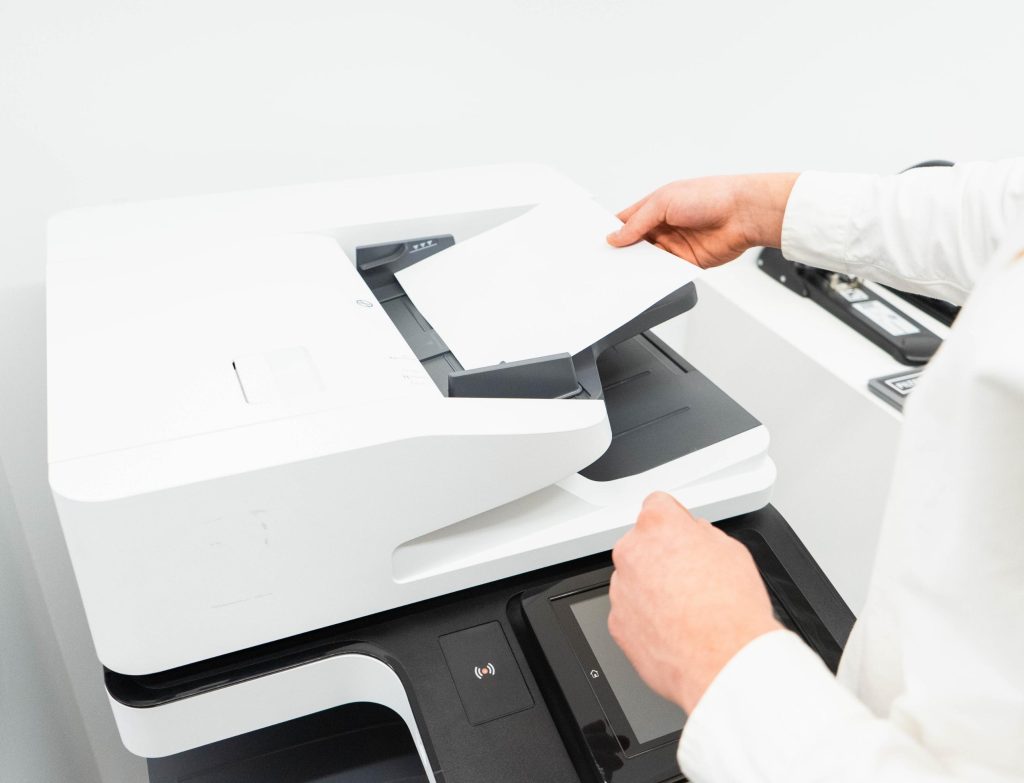
Find the right copier lease partner — avoid hidden fees, bad contracts, and vendor lock-in
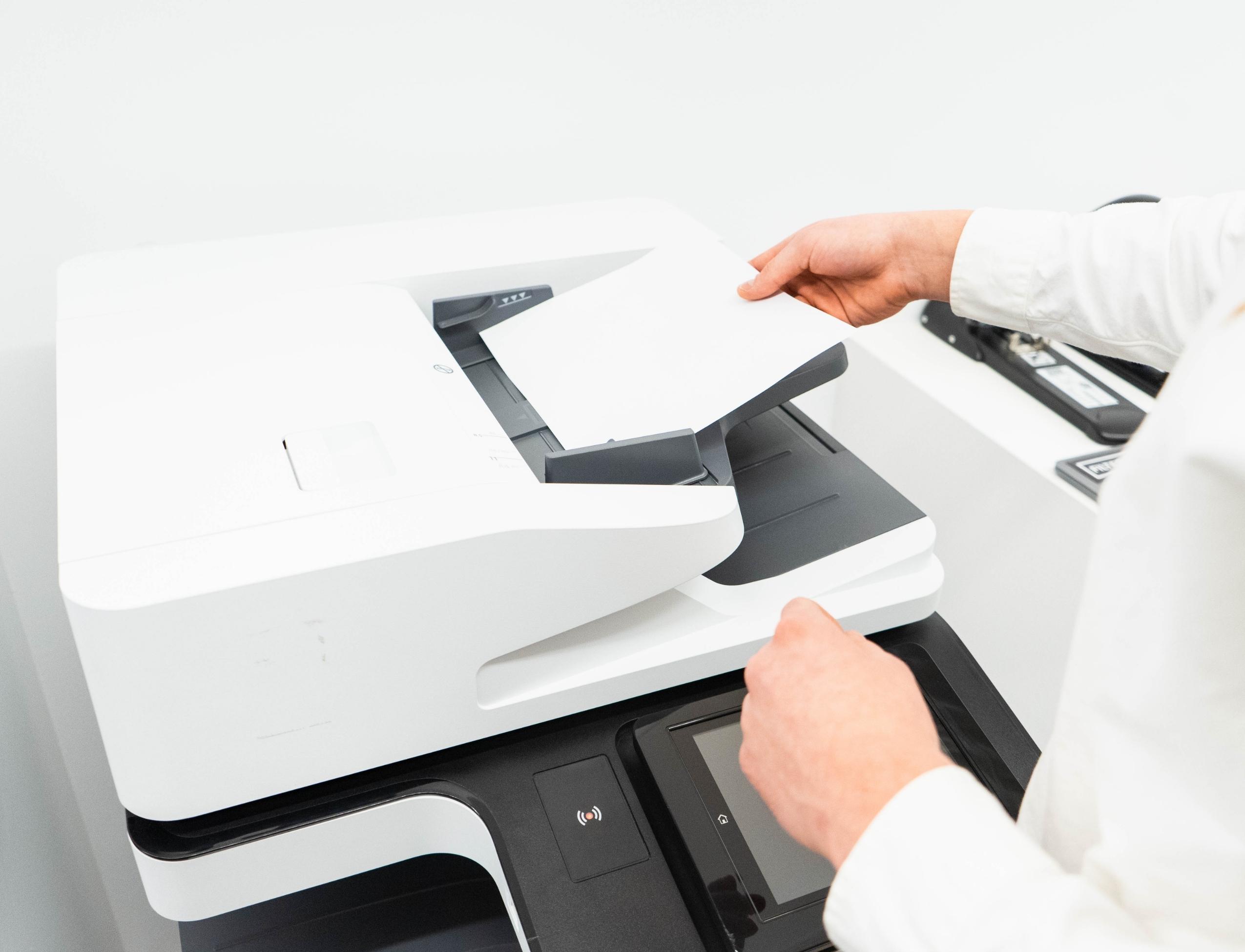
The best copier leasing companies offer transparent pricing, flexible contract terms, fast local service, and no surprise fees. Look for dealers who provide all-inclusive service agreements, explain the difference between FMV and $1-buyout leases upfront, and have verifiable reviews from businesses in your area.
Why Picking the Wrong Copier Leasing Company Is So Costly
You’ve decided to lease a copier — smart move. Monthly payments preserve capital, keep equipment current, and often include service coverage. But here’s the problem: the copier lease market is littered with confusing contracts, auto-renewal traps, and fees quietly compounding over a 5-year term.
The average small-to-mid-sized business loses over $2,000 per year in unnecessary copier lease fees because nobody read the fine print. And in South Florida’s competitive business environment — where real estate firms, law offices, and healthcare clinics depend on reliable print infrastructure — the waste adds up fast.
This guide walks you through exactly what to look for, what to avoid, and how to choose a copier leasing company that actually serves your business. Whether you’re a first-time lessee in Miami or renegotiating a contract for your Coral Gables office, you’ll find everything you need here.
Standard Copier Lease Terminology You Need to Know
Every industry has its language, and copier leasing is no different. Before you sit across from any vendor, get familiar with these four roles — they define who’s responsible for what throughout your lease.
Client (Lessee)
That’s you. You pay the monthly lease, operate the equipment, and work directly with the dealer on service issues. Some agreements list you as the “Lessee.”
Dealer
The company selling and leasing the equipment to you. A good dealer also handles service, supplies, and support — not just the initial sale. This is the party you’ll interact with most.
Manufacturer
Brands like Canon, Ricoh, Konica Minolta, HP, and Xerox produce the equipment the dealer sells. The manufacturer sets quality standards, but they’re rarely involved in your day-to-day service relationship.
Leasing Partner (Financier)
This is the third-party company that finances the equipment on your behalf. They handle invoicing — and this is where things can get complicated if your dealer sells contracts to a financier you didn’t vet. More on this shortly.
The 4 Types of Copier Leasing Companies
Not all copier leasing companies are the same. Choosing the wrong type is one of the most common — and most expensive — mistakes businesses make. Here’s how to tell them apart:
1. Manufacturer-Backed Programs
Brands like Canon Financial Services or Xerox Financial offer direct leasing. You get tight integration between hardware and support, but flexibility is limited — you’re often locked into this brand’s ecosystem for the full term.
2. Dealer-Based Companies (Local Experts)
Independent dealers carry multiple brands, tailor contracts to your needs, and provide local service. This is typically the best option for South Florida businesses — you get brand flexibility and a local point of contact who knows your account.
3. Financial-Only Lenders
These companies fund the lease but provide zero equipment support. They’ll refer you elsewhere for service. And here’s the red flag — many dealers secretly sell their lease contracts to these third-party financiers after signing, creating confusion over who handles billing, modifications, or early termination.
4. Online-First Platforms
Digital-first vendors offer fast quotes and streamlined ordering, but local response times suffer. If a technician needs to fly in from out of state, your team is waiting — which is a serious problem for a law firm during discovery or a medical office mid-appointment.
FMV vs. $1 Buyout Leases: Which Should You Choose?
This is the single most important structural decision in your lease agreement. Many businesses sign FMV leases without realizing what they’ve agreed to. Here’s how they compare:
| Feature | FMV Lease | $1 Buyout Lease |
|---|---|---|
| Monthly payment | Lower | Higher |
| Own equipment at end of term? | No — return or renegotiate | Yes — for $1 |
| Tax treatment | Fully deductible as operating expense | Depreciation deduction (Section 179) |
| Best for | Businesses upgrading every 3–4 years | Businesses wanting long-term equipment ownership |
| Typical term length | 36–60 months | 36–60 months |
| Risk at end of term | Must renegotiate — prices may rise | Low — you own the machine |
Neither option is universally better. A Miami startup growing fast might prefer the FMV model for easier upgrades. An established Doral warehouse operation processing 50,000 pages a month might prefer $1 buyout for cost predictability. Ask your dealer to model both scenarios against your actual monthly volume.
What Does a Copier Lease Actually Cost in 2026?
Monthly lease payments depend on three variables: the equipment tier, your monthly print volume, and your contract term. Here’s the realistic price range for South Florida businesses in 2026:
| Copier Tier | Monthly Lease | Print Volume | Best For |
|---|---|---|---|
| Entry-Level B&W MFP | $79 – $120/mo | Up to 5,000 pages/mo | Small offices, startups |
| Mid-Range Color MFP | $120 – $280/mo | 5,000 – 20,000 pages/mo | Law firms, insurance agencies |
| High-Volume Color MFP | $280 – $500/mo | 20,000 – 60,000 pages/mo | Real estate, healthcare, schools |
| Production-Level System | $500 – $900+/mo | 60,000+ pages/mo | Print shops, large offices |
Remember: these are lease-only figures. A bundled service agreement — covering toner, drums, maintenance parts, and labor — typically adds $30–$120/month depending on volume. Always ask for an all-in quote so you’re comparing apples to apples across vendors.
Flexible Leasing Options to Look For
Your business isn’t static — so your lease shouldn’t be either. The best copier leasing companies in the Miami area offer arrangements that adapt to your growth. Before signing, verify which of these options your dealer supports:
- Step leases for businesses expecting volume growth mid-term
- Seasonal leases for businesses with high/low print cycles
- Mid-term upgrade clauses allowing a device swap without penalty
- Invoicing consolidation across multiple devices or locations
- Refinancing options if your financial situation changes
- No early termination fees — or clearly defined early exit costs
- Month-to-month options after the initial term expires
- Volume adjustment windows (re-negotiate after 12 months)
A dealer with several longstanding finance partnerships has more flexibility to structure creative terms. Ask directly: “Do you sell lease contracts to third parties after signing?” If the answer is yes — and you’re not comfortable with that — it’s a dealbreaker.
The 7 Hidden Fees That Drain Copier Lease Budgets
The most costly mistakes in copier leasing don’t happen on the day you sign — they happen on month 13 when the first surprise charge appears. Here’s what to watch for:
1. Overage Charges
Most agreements define a monthly page cap. Go over it and you’ll pay 1–2¢ per black-and-white page and 5–9¢ per color page. On a high-volume month, those pennies become hundreds of dollars.
2. Annual Escalation Clauses
A 15% annual service rate hike is common — a $400/month agreement turns into nearly $700/month by year five — for the same machine. Always negotiate a cap or fixed rate.
3. Evergreen Clauses
If you miss the cancellation window — often 60–120 days before expiration — the lease automatically renews for another full term. Set a calendar reminder the day you sign.
4. “Hell or High Water” Clauses
This clause holds you liable for all payments regardless of whether the equipment works. If the copier breaks down for weeks, you still pay. Negotiate this clause out or ensure your service agreement has uptime guarantees.
5. Forced Insurance Placement
Many leasing companies require equipment insurance. If you don’t submit proof of coverage within 30 days, they add their own — at 3–5x the market rate. Add the copier to your business policy the day you sign.
6. Restocking and Data Security Fees
At end of term: expect $300–$500 to return the equipment. Then another $200–$350 to have the internal hard drive wiped before pickup. These fees are rarely mentioned upfront.
7. Minimum Monthly Volume (MMV)
Contracted for 5,000 prints but only used 1,000? You still pay for 5,000. Over-negotiating your volume upfront is an easy way to overpay for years.
Why Local Service Response Time Is Non-Negotiable
Equipment will break. The question is: how fast does your dealer respond? For a Brickell law firm with depositions scheduled or a Coral Springs medical practice running insurance authorizations, every hour of downtime has a real dollar cost.
Ask your prospective vendor directly: “What is your average response time for service calls in Miami-Dade and Broward County?” A credible local dealer will give you a specific answer — typically 4–8 business hours. An online-first or national provider will give you vague language about “best efforts.”
Also ask: Does the technician who arrives carry common parts on their truck? First-visit fix rates matter. A technician who diagnoses on visit one and returns three days later with a part means two to three days of partial capacity.
1800 Office Solutions has served South Florida businesses. The 25+ year track record in the region is hard to fake.
How 1800 Office Solutions Serves Miami Businesses
Here’s what sets us apart:
Transparent Contracts
We walk through every clause before you sign — no hidden fees, no surprise escalations.
Multiple Finance Partners
We work with several finance companies to find the most flexible terms for your business.
Mid-Term Upgrades
Need a faster machine two years in? We offer upgrade paths without penalty fees.
Cybersecurity-Ready Devices
Modern MFPs with hard drive encryption, secure print release, and network access controls.
Single Point of Contact
One account rep handles billing, service, and upgrades — no holding queue roulette.
Don’t Forget: Your Copier Is a Computer
Modern multifunction copiers store scanned documents, network credentials, and even print jobs on an internal hard drive. A 5-year-old copier running outdated firmware is a genuine cybersecurity liability — especially for businesses handling HIPAA, PCI-DSS, or FINRA data.
When evaluating copier leasing companies, ask what security features are standard on the devices they carry. Look for:
- Hard drive encryption (AES 256-bit)
- Automatic hard drive wipe at end of lease
- Secure print release (PIN or card swipe)
- Network segmentation support (VLAN compatibility)
- Firmware update management included in service contract
- User authentication logs for audit trails
Miami’s healthcare and legal sectors face some of the highest compliance burdens in the country. Don’t let a leased printer become your weakest security link. If your current vendor doesn’t talk about this — that’s a conversation worth having before renewal.
For businesses that want to go further, 1800 Office Solutions’ cybersecurity division offers a free assessment to identify print infrastructure vulnerabilities alongside broader IT risks.
Frequently Asked Questions About Copier Leasing Companies
How much does it cost to lease a copier in Miami in 2026?
Monthly lease payments range from $79 for basic black-and-white units to $900+ for high-volume production systems. Most small-to-mid-size Miami businesses pay between $120 and $350 per month for a color multifunction printer with a bundled service agreement.
What is the difference between an FMV lease and a $1 buyout lease?
An FMV (Fair Market Value) lease has lower monthly payments but you return the equipment at the end. A $1 buyout lease has higher monthly payments but you own the machine outright at the end of the term for $1. Choose FMV if you prefer to upgrade regularly; choose $1 buyout if you want long-term equipment ownership.
What is an evergreen clause and how do I avoid it?
An evergreen clause automatically renews your lease for another full term if you don’t cancel within a specific window — usually 60 to 120 days before expiration. Set a calendar reminder the day you sign your lease. Some dealers will negotiate this clause out entirely.
Can I upgrade my copier in the middle of a lease?
Yes — if your dealer allows mid-term upgrades. Not all do. This is an important question to ask before signing. Reputable dealers like 1800 Office Solutions offer upgrade paths when your business needs outgrow your current equipment.
What should a copier service agreement include?
A solid service agreement covers toner, drums, maintenance parts, and labor. It should also include a guaranteed response time, a first-visit fix rate commitment, and a fixed (or capped) rate for at least the first two years of the contract.
What happens to my data when I return a leased copier?
Modern copiers store data on internal hard drives. When returning leased equipment, confirm in writing that the dealer will perform a certified hard drive wipe before the equipment is reassigned. Some dealers charge a fee for this — negotiate it into your original contract to avoid surprise charges at end of term.
Is leasing better than buying a copier?
For most businesses, leasing is the smarter choice. It preserves capital, keeps equipment current, and typically includes service coverage. Buying makes more sense if you run a very stable, high-volume environment and prefer long-term asset ownership. See our full copier lease vs. buy comparison for a detailed breakdown.
How do I find reputable copier leasing companies near Miami?
Look for companies with verifiable Google reviews, local service technicians, and 5+ years serving the South Florida market. Confirm they have a physical presence in Miami-Dade or Broward County — not just a national call center. Ask how fast they respond to service calls in your specific ZIP code.
What questions should I ask before signing a copier lease?
The most important questions are: (1) Do you sell contracts to third-party financiers? (2) Is there an escalation clause — and what is the cap? (3) What are the early termination terms? (4) What happens to the hard drive at end of lease? (5) What is your average response time for service calls in my ZIP code?
Ready to Find the Right Copier Lease Partner in Miami?
1800 Office Solutions has been helping South Florida businesses cut print costs and avoid contract traps. Your One Source For Everything Office.
GET A FREE CONSULTATION
📞 Call Us: (888) 574-5120