
Business cloud phone systems are changing how companies communicate, offering cost-effective and flexible voice-over-IP (VoIP) solutions that eliminate the need for traditional phone lines. Here’s a quick breakdown to address why organizations are making the switch:
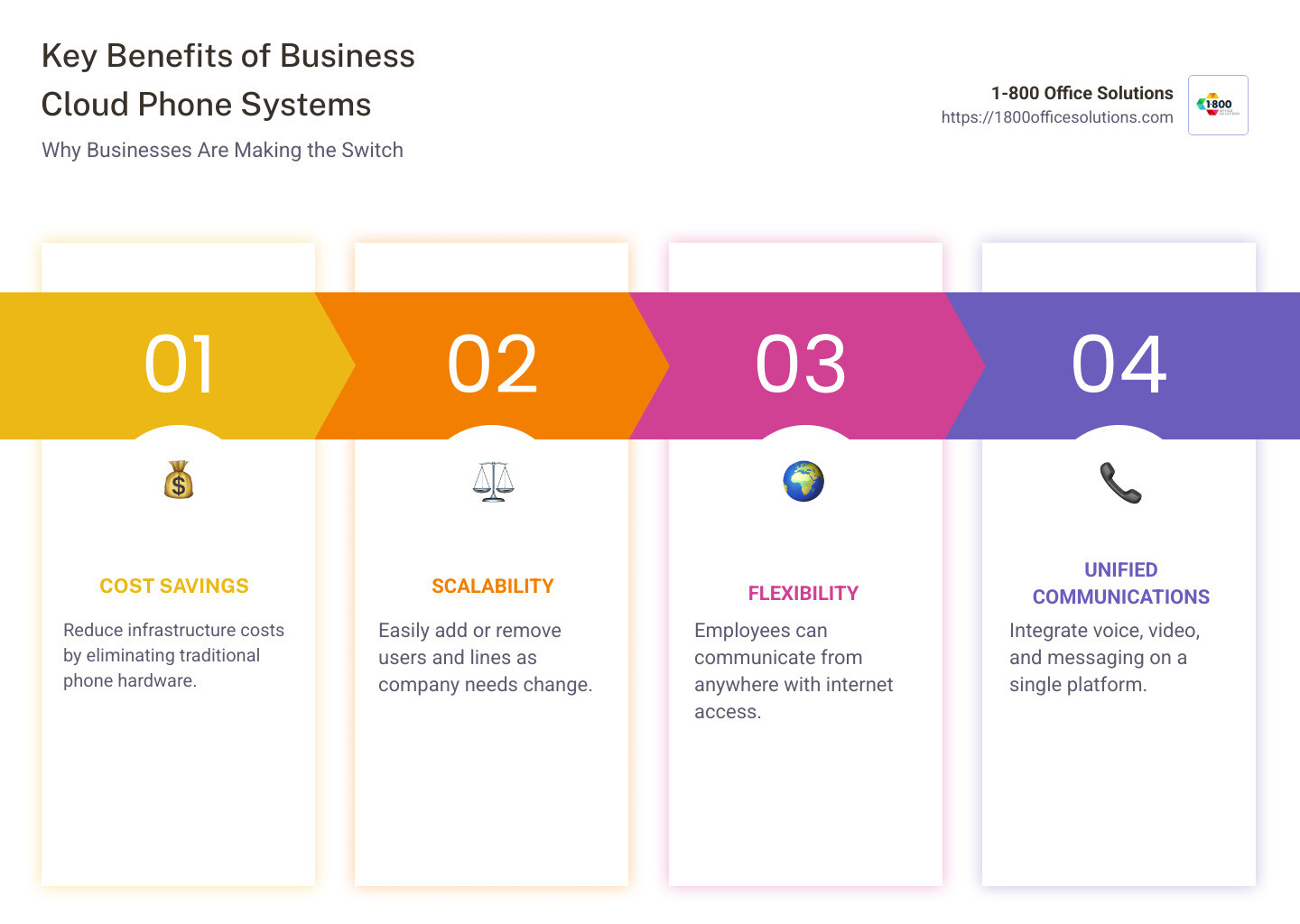
- Cost Savings: Reduce infrastructure costs by eliminating traditional phone hardware.
- Scalability: Easily add or remove users and lines as company needs change.
- Flexibility: Employees can communicate from anywhere with internet access.
- Unified Communications: Integrate voice, video, and messaging on a single platform for seamless collaboration.
Embracing this technology provides businesses with unprecedented communication capabilities while also safeguarding against the inevitable “Big Switch Off” of traditional phone lines scheduled for 2027.
Simple guide to business cloud phone systems:
Understanding Business Cloud Phone Systems
Business cloud phone systems are revolutionizing how companies handle communication by leveraging VoIP technology. VoIP, or Voice over Internet Protocol, allows voice communication to be transmitted over the internet instead of traditional phone lines. This technology is not only more efficient but also reduces costs significantly.
Hosted PBX: A Modern Take on Traditional Systems
A key component of business cloud phone systems is the hosted PBX (Private Branch Exchange). Unlike traditional PBX systems that require extensive on-site hardware, a hosted PBX is managed off-site by a service provider. This means you don’t have to worry about maintaining bulky equipment. Instead, your phone system is operated through the cloud, offering you more space and fewer headaches.
Cloud-Based IP Network: The Backbone of Modern Communication
At the heart of these systems is the cloud-based IP network. This network acts as the backbone, supporting seamless communication across various devices and locations. By using a cloud-based network, businesses can ensure that calls are clear and reliable, even if employees are working remotely or from different offices.

Benefits of Cloud-Based Systems
- Scalability: Easily adjust the number of users without needing new hardware.
- Flexibility: Employees can connect from anywhere with an internet connection, making remote work easier.
- Cost-Effectiveness: Lower costs by eliminating the need for physical phone lines and extensive hardware.
By shifting to business cloud phone systems, companies not only improve their communication capabilities but also future-proof their operations against the upcoming “Big Switch Off” in 2027. This transition is crucial for staying competitive in a rapidly evolving digital landscape.
Stay tuned as we dive deeper into the top features of these systems in the next section.
Top Features of Business Cloud Phone Systems
When it comes to business cloud phone systems, there are a few standout features that make them indispensable for modern businesses. Let’s break down these features and see how they can transform your company’s communication.
Call Forwarding
Call forwarding is a game-changer for businesses that need to stay connected, no matter where their employees are. With cloud phone systems, you can easily redirect incoming calls to different devices or numbers. This ensures that important calls are never missed, even if you’re out of the office.
Imagine a sales team that can take calls seamlessly while traveling. With call forwarding, they remain reachable and responsive, boosting customer satisfaction and sales opportunities.
Video Conferencing
Video conferencing has become essential. Cloud phone systems integrate video conferencing capabilities, allowing teams to meet face-to-face virtually. This feature supports collaboration by letting employees share ideas visually, even if they are miles apart.
Businesses can host virtual meetings, conduct interviews, and collaborate with clients, all from the comfort of their own devices. It’s like having a meeting room in your pocket.
Auto Attendants
Auto attendants simplify call management by acting as a virtual receptionist. They greet callers and direct them to the right department or person, based on their input. This feature not only improves customer service but also frees up staff to focus on more critical tasks.
Picture this: A customer calls your business and is immediately greeted with options custom to their needs. The auto attendant efficiently routes them, reducing wait times and improving their experience.
Screen Sharing
Screen sharing is another powerful tool integrated into cloud phone systems. It allows users to share their screens during calls or meetings, making it easier to present information, demonstrate products, or collaborate on projects.
For instance, a tech support team can use screen sharing to guide customers through troubleshooting steps, providing clear and effective assistance. This feature improves understanding and speeds up problem resolution.
These features—call forwarding, video conferencing, auto attendants, and screen sharing—are just the tip of the iceberg when it comes to the benefits of business cloud phone systems. They not only streamline communication but also improve productivity and customer satisfaction.
In the next section, we’ll explore the numerous benefits of switching to these modern systems, from cost savings to unparalleled flexibility.
Benefits of Switching to Cloud Phone Systems
Switching to business cloud phone systems offers a multitude of benefits that can significantly improve your company’s communication and operational efficiency. Let’s explore some key advantages: cost savings, scalability, flexibility, and security.
Cost Savings
One of the most compelling reasons to switch to cloud phone systems is the potential for significant cost savings. Traditional phone systems require expensive hardware and maintenance. In contrast, cloud systems eliminate these costs by using internet-based communications.
With cloud phone systems, businesses can predict and control their communication expenses more effectively, often benefiting from flat monthly fees for unlimited calling within certain regions.
Scalability
Cloud phone systems are incredibly scalable, making them perfect for growing businesses. Whether you’re adding new team members or opening new branches, these systems allow you to add or remove users with ease.
Imagine being able to recruit talent from anywhere in the world without worrying about setting up new phone lines. This flexibility supports business expansion without the hassle of traditional setups.
Flexibility
The flexibility of cloud phone systems is best. They allow employees to access the system from any device, anywhere with an internet connection. This is ideal for remote teams and businesses with employees on the go.
With virtual numbers and mobile apps, your team can stay connected, whether they’re using a smartphone, tablet, or laptop. This flexibility ensures that business operations continue seamlessly, regardless of location.
Security
Security is a top priority for businesses, and cloud phone systems offer robust protection. While VoIP systems can be targeted by cyber attacks, choosing a provider with strong security protocols can mitigate these risks.
Cloud providers often use remote data centers with built-in backup and redundancy, ensuring that your communication system is secure and reliable. This level of security is often superior to traditional landlines, which are susceptible to physical damage.
Switching to a business cloud phone system not only reduces costs and improves flexibility but also offers scalability and security that traditional systems can’t match. In the next section, we’ll guide you on how to choose the right system based on your business needs, employee count, and budget.
How to Choose the Right Business Cloud Phone System
Selecting the right business cloud phone system can feel overwhelming, but breaking it down into a few key factors can simplify the process. Consider your business needs, employee count, and budget to find the best fit.
Assess Your Business Needs
Start by identifying what your business requires from a phone system. Do you need basic features like call forwarding and voicemail, or more advanced options such as video conferencing and auto attendants? Consider the communication tools your team uses daily and any additional features that could improve productivity.
For example, if your business relies heavily on remote work, a system with robust mobile app support and screen sharing might be essential. On the other hand, if your focus is on customer service, features like call queues and IVR menus could be more relevant.
Consider Employee Count
The number of employees using the phone system will directly impact your choice. Most cloud phone systems offer scalable solutions, allowing you to easily add or remove users as your team grows or contracts.
If you have a small team, a basic package might suffice. However, larger businesses or those expecting rapid growth should look for systems that offer seamless scalability. This ensures you won’t be caught off guard by sudden changes in your workforce size.
Evaluate Your Budget
Budget is a crucial factor when choosing a cloud phone system. Costs typically include subscription fees and per-user charges. It’s essential to balance the features you need with what you can afford.
Cloud systems offer predictable monthly costs, which can help with budgeting. Some providers offer unlimited calling plans, making it easier to control expenses. However, always look for hidden costs, such as fees for additional features or international calls.
Make an Informed Decision
By focusing on your business needs, employee count, and budget, you can narrow down the options and select a business cloud phone system that aligns with your goals. The right system should not only meet your current needs but also adapt to future changes.
In the next section, we’ll answer some frequently asked questions about cloud phone systems, including how they work and what costs to expect.
Frequently Asked Questions about Business Cloud Phone Systems
What are cloud-based phone systems?
Cloud-based phone systems, also known as VoIP (Voice over Internet Protocol) systems, are modern communication tools that use the internet to make and receive calls. Unlike traditional landlines, they don’t rely on physical phone lines. Instead, they use a cloud PBX (Private Branch Exchange) to manage call routing and features off-site. This setup allows businesses to access advanced functionalities like call forwarding, voicemail, and even video conferencing without the need for expensive hardware.
How much does a cloud phone system cost?
The cost of a cloud phone system can vary based on several factors, including the number of users and the features you choose. Typically, businesses pay subscription fees on a monthly basis. These fees are often calculated per user, making it easy to scale up or down as needed.
- Basic Plans: These can start as low as $10 per user per month, offering essential features like unlimited calling and basic voicemail.
- Advanced Plans: For businesses needing more, such as video conferencing and team collaboration tools, costs can range from $20 to $40 per user per month.
It’s important to factor in any additional costs, like taxes or fees for international calls, when budgeting for a cloud phone system.
Which cloud telephony is best?
Choosing the best cloud telephony system depends on your specific needs. Unified communications platforms, which integrate various communication methods like voice, video, and messaging into one system, can offer significant advantages for businesses looking to improve collaboration.
- Unified Communications (UC): This approach streamlines all communication channels, making it easier for teams to collaborate and stay connected. Popular UC solutions include features like screen sharing and real-time document collaboration.
When evaluating options, consider what features will best support your business operations and team interactions. The right choice will offer flexibility and scalability to grow with your business.
By understanding these key aspects, you can make informed decisions about integrating a cloud phone system into your business strategy.
Conclusion
In the changing landscape of business communications, embracing cloud solutions is no longer just an option—it’s a necessity for modern businesses. At 1-800 Office Solutions, we understand the importance of staying ahead with innovative communication tools that empower your team and streamline operations.
Our business cloud phone systems are designed to offer flexibility, scalability, and cost-effectiveness. By leveraging cloud technology, businesses can easily manage and scale their communication needs without the burden of heavy hardware investments. This means you can focus more on what truly matters—growing your business.
Our solutions are custom to meet the unique needs of each client, ensuring you get the most out of your investment in cloud telephony.
Ready to transform your business communications with cutting-edge cloud solutions? Learn more about our business phone systems and see how 1-800 Office Solutions can support your journey into the future of communication.