

Why Business Telephone Systems Matter
In today’s world, business telephone systems play a crucial role in ensuring seamless communication for organizations of all sizes. Whether it’s coordinating with team members, closing deals with clients, or managing customer support, having a reliable phone system can significantly improve business operations.
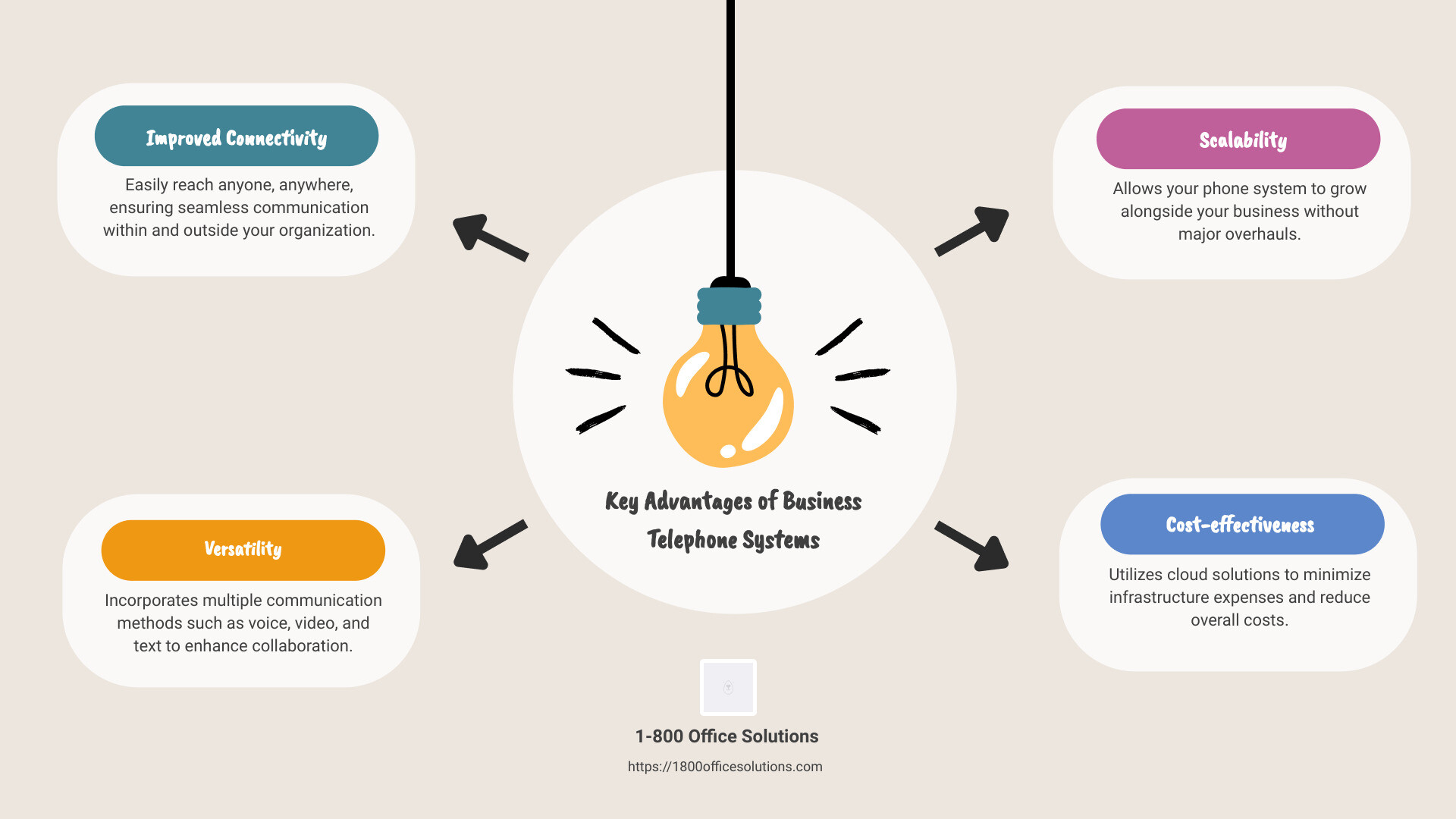
Key advantages of modern business telephone systems:
- Improved connectivity: easily reach anyone, anywhere
- Versatility: incorporate multiple communication methods like voice, video, and text
- Scalability: grow with your business without major overhauls
- Cost-effectiveness: use cloud solutions to minimize infrastructure expenses
Selecting the right business telephone system isn’t just about making calls. It’s about integrating a tool that improves the way your business communicates both internally and externally, fostering a more productive and efficient workplace. In the sections that follow, we will dig deeper into the various types of systems available and guide you on how to choose the best one for your needs.
Understanding Business Telephone Systems
When it comes to business telephone systems, there are three main types to consider: KSU, PBX, and VoIP. Each offers different features and benefits, so understanding them will help you make the right choice for your business.
KSU (Key System Unit)
KSU systems are the simplest form of business phone systems. They are ideal for small businesses with basic needs. KSU systems allow for straightforward call handling, including holding and transferring calls. They provide a central control unit that manages the phone lines and extensions within an office.
Why choose KSU?
- Simplicity: Easy to use and set up.
- Cost-effective: Lower initial investment compared to more advanced systems.
However, KSUs have limitations in scalability and advanced features, making them suitable primarily for smaller setups.
PBX (Private Branch Exchange)
PBX systems are more advanced than KSU systems and are suitable for medium to large businesses. They offer a wide range of features such as call routing, call recording, and conferencing. PBX systems can handle a higher volume of calls and are often used by businesses with complex communication needs.
Benefits of PBX:
- Advanced features: Call queuing, recording, and monitoring.
- Scalability: Easily add more lines and extensions as your business grows.
- Integration: Can be integrated with CRM and other business tools.
PBX systems can be on-premise or cloud-based. On-premise solutions require hardware installation, while cloud-based PBX (Hosted PBX) offers flexibility and reduces the need for physical equipment.
VoIP (Voice Over Internet Protocol)
VoIP technology allows you to make calls over the internet instead of traditional phone lines. This system is gaining popularity due to its flexibility and cost savings. VoIP systems are ideal for businesses of all sizes, especially those with remote or hybrid work environments.
Advantages of VoIP:
- Cost savings: Lower call costs, no need for separate phone lines.
- Mobility: Make and receive calls from anywhere with an internet connection.
- Unified communication: Integrates voice, video, and messaging.
VoIP systems also offer features like call forwarding, voicemail-to-email, and video conferencing. They are particularly beneficial for businesses looking to modernize their communication infrastructure without investing heavily in hardware.

Choosing the right business telephone system depends on your specific needs and business size. In the next section, we’ll explore the top features to look for in a business phone system and how they can improve your organization’s communication capabilities.
Top Features of Business Phone Systems
When selecting a business telephone system, understanding the key features can make a big difference in how effectively your business communicates. Let’s dive into the top features that can improve your business operations.
Call Management
Effective call management is crucial for any business. It includes features like call routing, call queuing, and voicemail. These features ensure that calls are directed to the right person or department, reducing wait times and improving customer satisfaction.
- Call Routing: Automatically directs incoming calls to the appropriate extension or department.
- Voicemail: Allows callers to leave messages when no one is available to answer, ensuring you never miss important communications.
Conferencing
Conferencing features allow multiple people to participate in a single call, which is essential for team meetings or discussions with clients.
- Audio Conferencing: Lets you connect with multiple participants through voice calls.
- Video Conferencing: Offers face-to-face interaction, enhancing communication and collaboration.
Mobile Integration
In today’s mobile world, having a phone system that integrates with mobile devices is a game-changer. This feature allows employees to make and receive business calls on their mobile phones using the company’s caller ID.
- Flexibility: Employees can work from anywhere, whether in the office, at home, or on the go.
- Cost-Effective: Reduces the need for separate phone lines and devices.
Analytics
Analytics provide insights into call patterns and employee performance, helping businesses make informed decisions.
- Call Analytics: Track metrics like call duration, wait times, and missed calls to improve service quality.
- Performance Reports: Evaluate employee performance and identify areas for improvement.
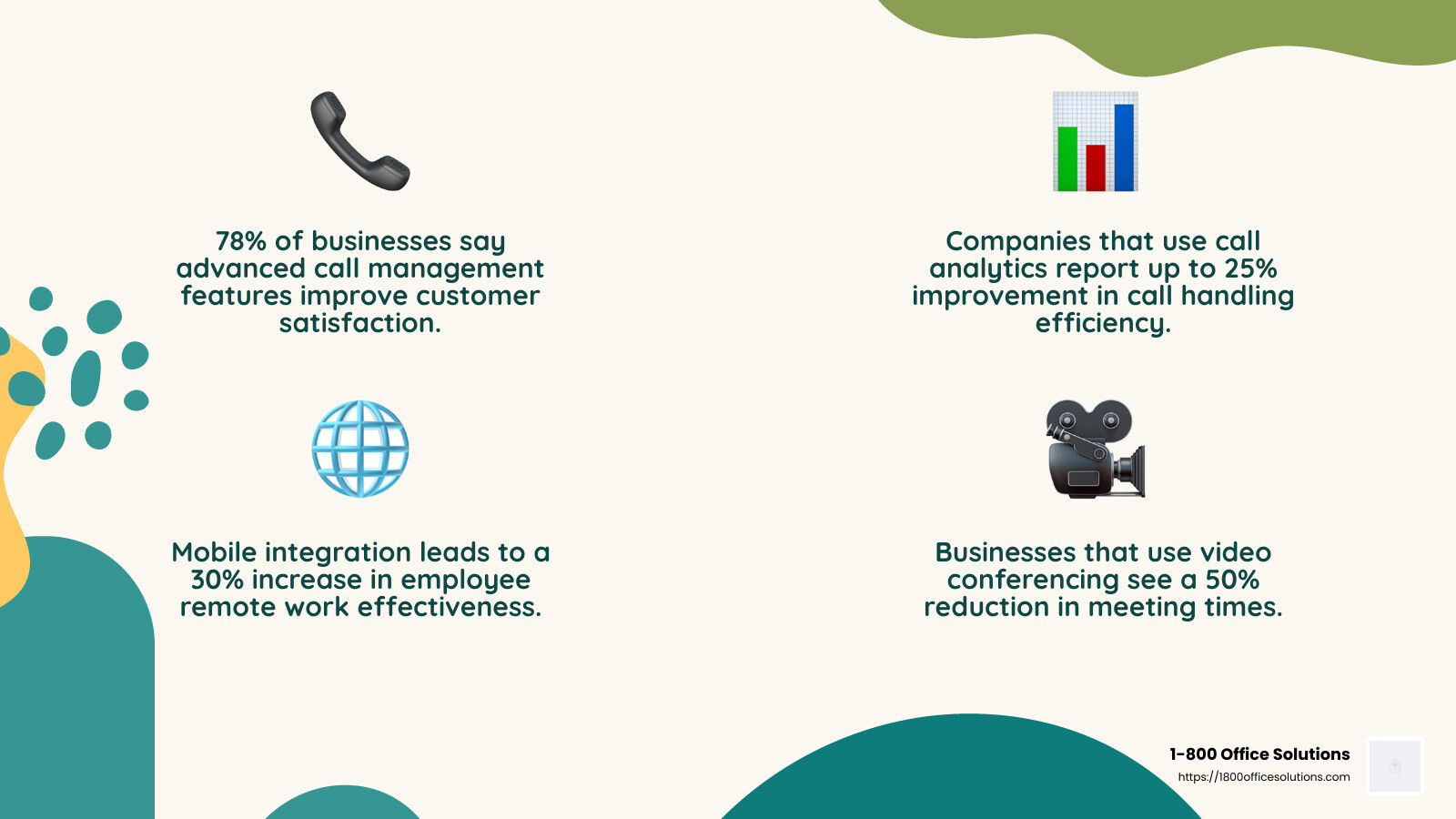
These features not only streamline communication but also improve productivity and customer satisfaction. In the next section, we’ll guide you on how to choose the right business telephone system based on your specific needs.
How to Choose the Right Business Telephone System
Choosing the right business telephone system can be a game-changer for your company. Let’s break down the key factors you need to consider.
Cost
Start by understanding your budget. The cost of a business phone system can vary widely depending on the type and features you choose.
- VoIP Systems: Often more cost-effective than traditional landlines, especially for long-distance calls.
- Cloud-Based Solutions: Typically offer lower upfront costs but may have monthly fees.
- Hardware and Maintenance: Consider the cost of equipment and any ongoing maintenance.
Features
Identify the features that are most important for your business. Different systems offer different capabilities, so think about what will benefit your operations the most.
- Essential Features: Call management, voicemail, and conferencing are must-haves for most businesses.
- Advanced Features: Analytics, mobile integration, and CRM integration can provide added value.
Scalability
Your business will grow, and your phone system should be able to grow with it. Choose a system that can easily scale up or down as needed.
- Flexible Plans: Look for providers that offer flexible plans to accommodate growth.
- Easy Expansion: Ensure that adding new lines or features is straightforward and not cost-prohibitive.
Ease of Use
A complex system can slow down your operations. Opt for a system that is user-friendly and easy to manage.
- User Interface: A simple, intuitive interface can save time and reduce training needs.
- Support and Training: Check if the provider offers training and support to help you get started.
Choosing the right system isn’t just about cost or features—it’s about finding the perfect fit for your business needs. Next, we’ll discuss how to set up your business phone system to ensure a smooth transition and optimal performance.
Setting Up Your Business Phone System
Now that you’ve chosen the right business telephone system, let’s look at how to set it up effectively. A well-configured system can streamline your operations and improve communication.
Activation
Activating your new phone system is the first step. Most modern systems, especially cloud-based ones, offer simple setup processes.
- Online Activation: Many providers allow you to activate your system online. This can be done in minutes by following a few straightforward steps.
- Guided Setup: Some services offer guided setup through apps or web portals, ensuring you don’t miss any critical configurations.
Call Routing
Call routing is crucial for managing incoming calls efficiently. It ensures that calls reach the right person or department without delay.
- Dynamic Call Routing: Use dynamic call routing to direct calls based on time, caller ID, or other criteria.
- Customizable Options: Many systems let you customize call paths, ensuring important calls are prioritized and handled appropriately.
Voicemail
Voicemail is a must-have feature, enabling you to capture messages when you can’t answer the phone.
- Voicemail to Email: Some systems offer voicemail-to-email, sending an audio file or transcription directly to your inbox.
- Custom Greetings: Set up personalized greetings for different departments or individuals to maintain a professional image.
Integrations
Integrating your phone system with other tools can improve productivity and streamline workflows.
- CRM Integration: Connect your phone system to your CRM to automatically log calls and access customer information during calls.
- Collaboration Tools: Integrate with platforms like Slack or Microsoft Teams to unify communication channels.
Setting up your business telephone system doesn’t have to be complicated. With the right approach, you can ensure that your system is optimized for efficiency and meets your business needs. Next, we’ll address some common questions about business telephone systems to help you make informed decisions.
Frequently Asked Questions about Business Telephone Systems
How much does a small business phone system cost?
The cost of a small business phone system can vary widely based on the type of system and features you choose. Traditional landline systems often come with higher initial setup costs and monthly fees, ranging from $40 to $100 per month per line. This can include additional charges for long-distance calls.
In contrast, VoIP systems are typically more affordable. They usually cost between $20 to $35 per user per month and often include unlimited domestic calls. VoIP systems are not only cheaper but also offer more features than traditional landlines. Plus, you avoid the hefty hardware costs associated with older systems.
What is the best business phone service?
The best business phone service depends on your specific needs. If you require a simple setup with basic features, consider a service that offers business texting, call forwarding, and voicemail without requiring extra hardware.
For more advanced needs, look for a service that provides a mix of hardware and cloud-based services, offering features such as video conferencing and a virtual receptionist. Flat rate pricing can be a popular choice for small businesses looking to transition from traditional PBX systems.
Key Features to Look For:
- Call management and routing
- Mobile integration
- Analytics and reporting
- CRM integration
How do I set up a small business phone system?
Setting up your small business phone system can be straightforward, especially with modern VoIP services. Here’s a simple step-by-step guide:
- Choose Your Provider: Select a provider that meets your business needs and budget. Consider the features, scalability, and customer support they offer.
- Activate Your System: Most VoIP systems offer an online activation process. Follow the instructions provided to get your system up and running.
- Configure Call Routing: Set up call routing rules to ensure calls are directed to the right person or department. This might include setting up an auto-attendant or call queues.
- Set Up Voicemail: Customize your voicemail settings. Consider using voicemail-to-email features for added convenience.
- Integrate with Other Tools: Connect your phone system with CRM or collaboration tools to improve productivity. This can help streamline communication and record-keeping.
By following these steps, you can ensure that your business telephone system is set up efficiently and ready to meet your communication needs. Transitioning to a modern phone system can greatly improve your business operations, offering flexibility, cost savings, and advanced features.
Conclusion
Choosing the right business telephone system is a crucial step in enhancing office productivity and ensuring smooth communication. At 1-800 Office Solutions, we understand the importance of having a reliable and efficient communication system. Our expertise in managed IT services and office equipment leasing allows us to offer tailor-made solutions that fit your business needs perfectly.
By integrating advanced phone systems with our comprehensive IT management services, we help businesses not only streamline their communication but also improve overall operational efficiency. Our solutions are designed to be scalable, ensuring they grow with your business and adapt to changing needs.
Whether you’re a small startup or a large enterprise, our focus is on providing cost-effective solutions that improve productivity. With flexible terms and expert support, we ensure that your office runs smoothly, allowing you to focus on what matters most—growing your business.
Ready to lift your business communication? Explore our services and see how we can help you connect the dots for success.